structural
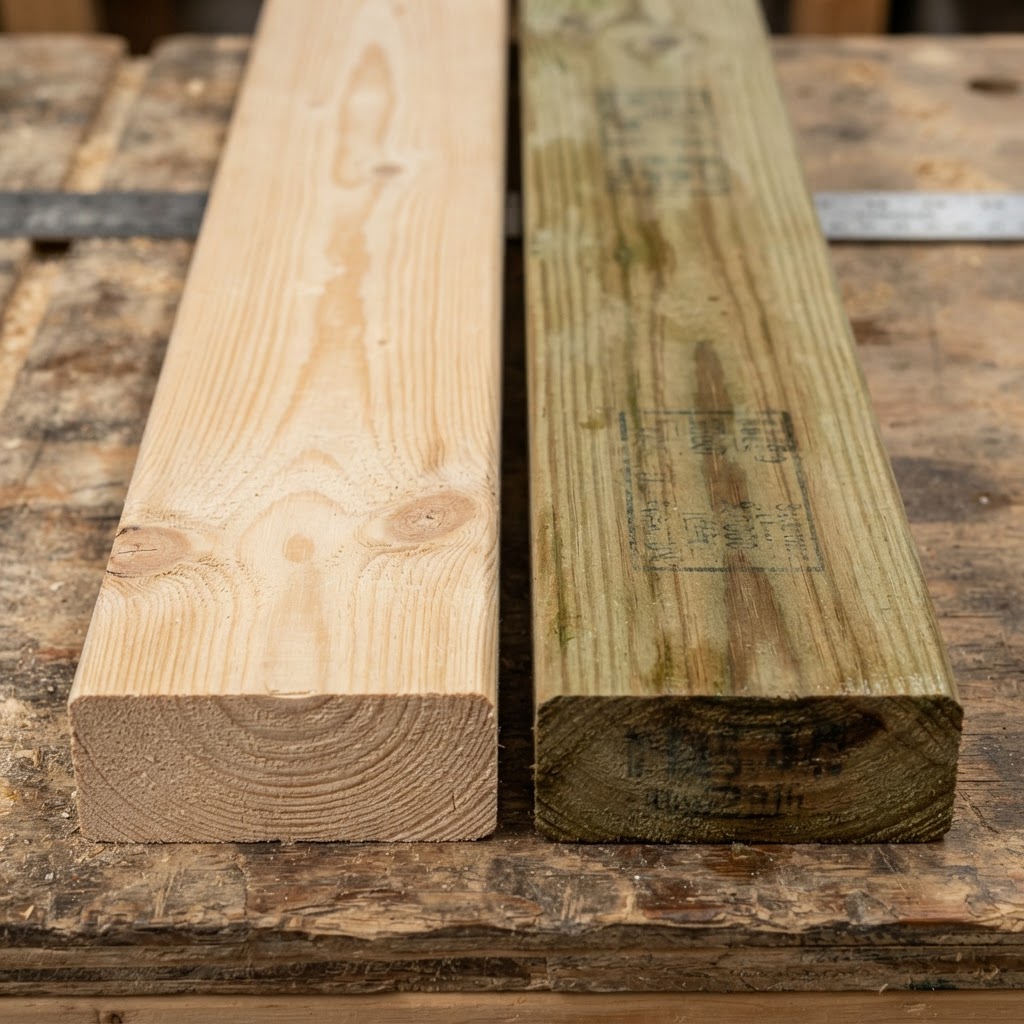
Treated vs Untreated Lumber: When to Use Each (2026)
Understanding when to use pressure-treated vs untreated wood saves money and prevents premature failure. Treated is essential for ground contact; untreated is fine indoors.
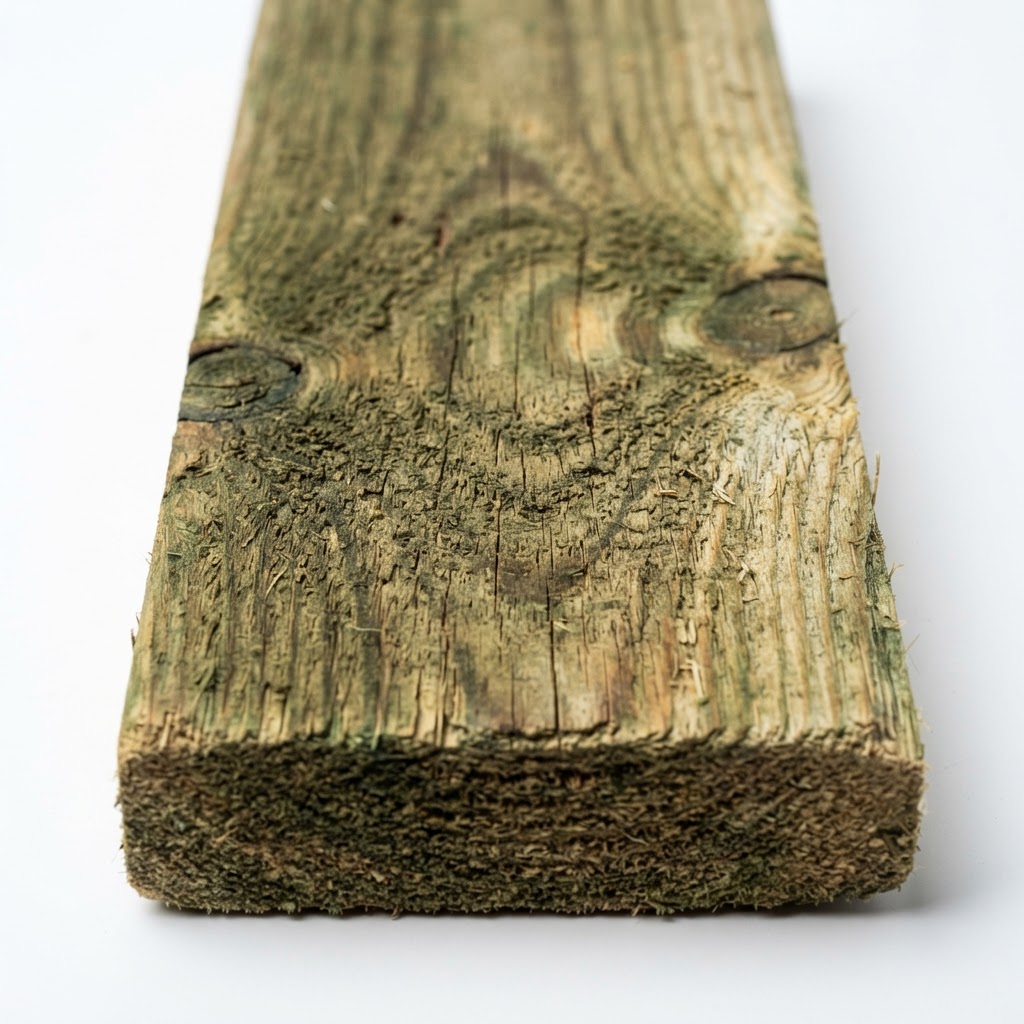
Pressure-Treated Lumber
vs
vs
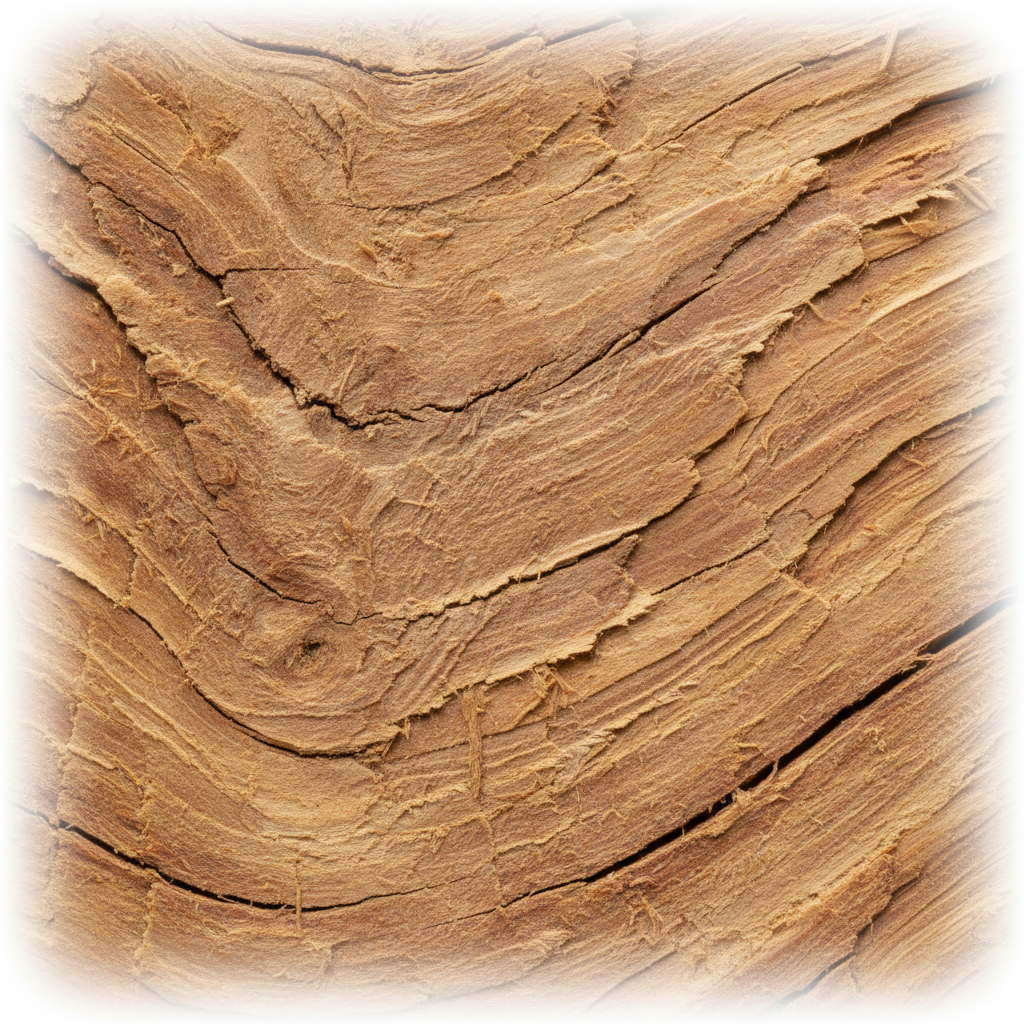
Untreated Lumber
Key Takeaways
- Understanding when to use pressure-treated vs untreated wood saves money and prevents premature failure.
- Treated is essential for ground contact; untreated is fine indoors.
- Treated is non-negotiable for outdoor ground contact.
- Untreated is preferred for all interior construction.
- Use treated for ground contact and outdoor structures.
| Property | Pressure-Treated Lumber | Untreated Lumber |
|---|---|---|
| Cost/Board Ft | $0.75-$2.50 | $0.50-$1.50 |
| Rot Resistance | Excellent (40+ yrs) | Poor (2-5 yrs outdoor) |
| Indoor Use | Not recommended | Standard |
Pressure-Treated Lumber
Pros
- Essential for ground contact, Prevents rot for decades, Cost-effective protection, Various retention levels
Cons
- Chemical preservatives, Must dry before staining, Can warp drying, Not for indoor living spaces
Untreated Lumber
Pros
- No chemicals, Finish immediately, Suitable for all interior, Less expensive
Cons
- Rots quickly outdoors, Cannot contact ground, No insect protection, Limited outdoor use
Best Use Cases
Use treated for ground contact and outdoor structures. Use untreated for interior framing trim and furniture.
Verdict
Treated is non-negotiable for outdoor ground contact. Untreated is preferred for all interior construction.
Frequently Asked Questions
Considered safe but not recommended. Preservatives are unnecessary inside and wood needs drying.
UC ratings indicate moisture exposure level. UC4A for ground contact, UC3B for above-ground outdoor.
Most untreated softwood begins rotting within 2-5 years in ground contact.