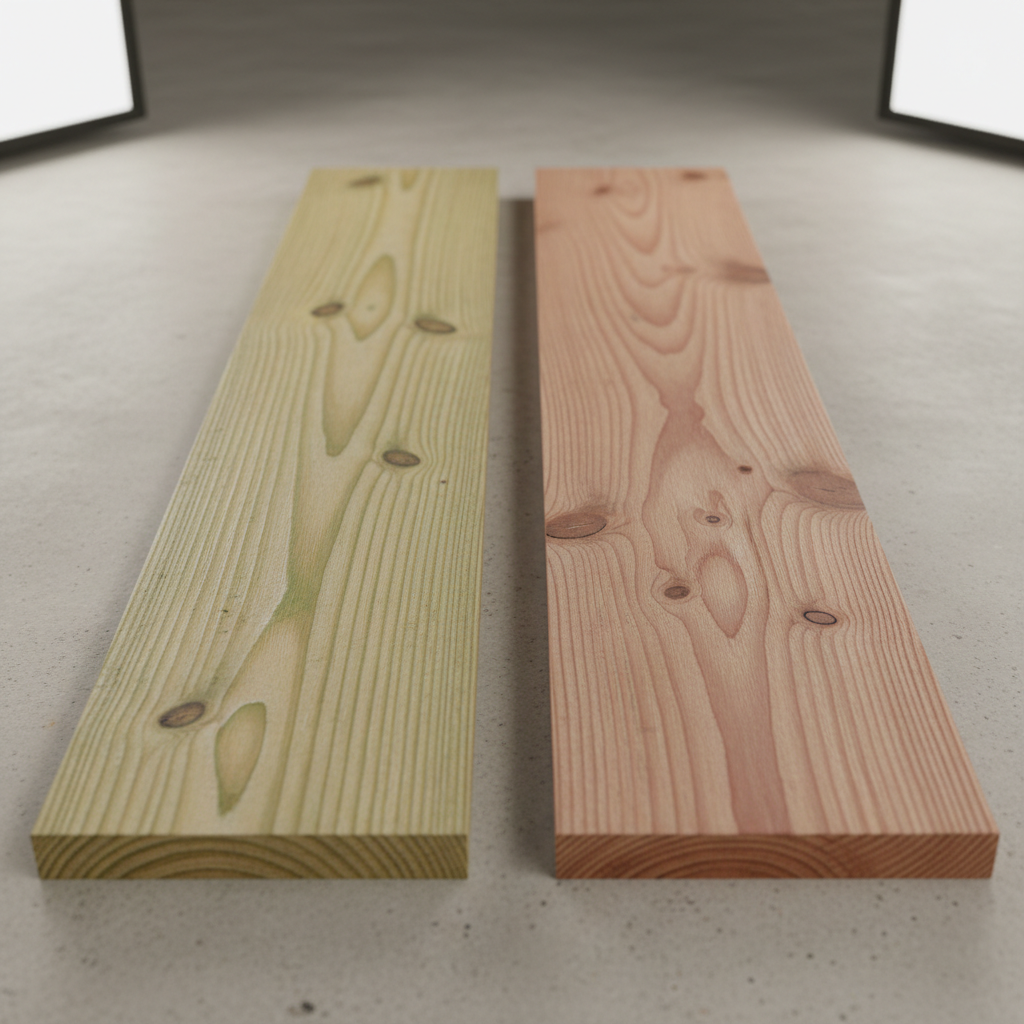
Treated Pine vs Cedar Retaining Walls: 2026 Complete Comparison (2026)
Timber retaining walls are an affordable way to manage slopes and create level planting areas, but the wood must withstand constant ground contact and moisture. Pressure-Treated Pine and Cedar are the two most common choices, each with distinct trade-offs in durability, cost, and appearance. This comparison covers everything you need to select the right timber for your retaining wall.
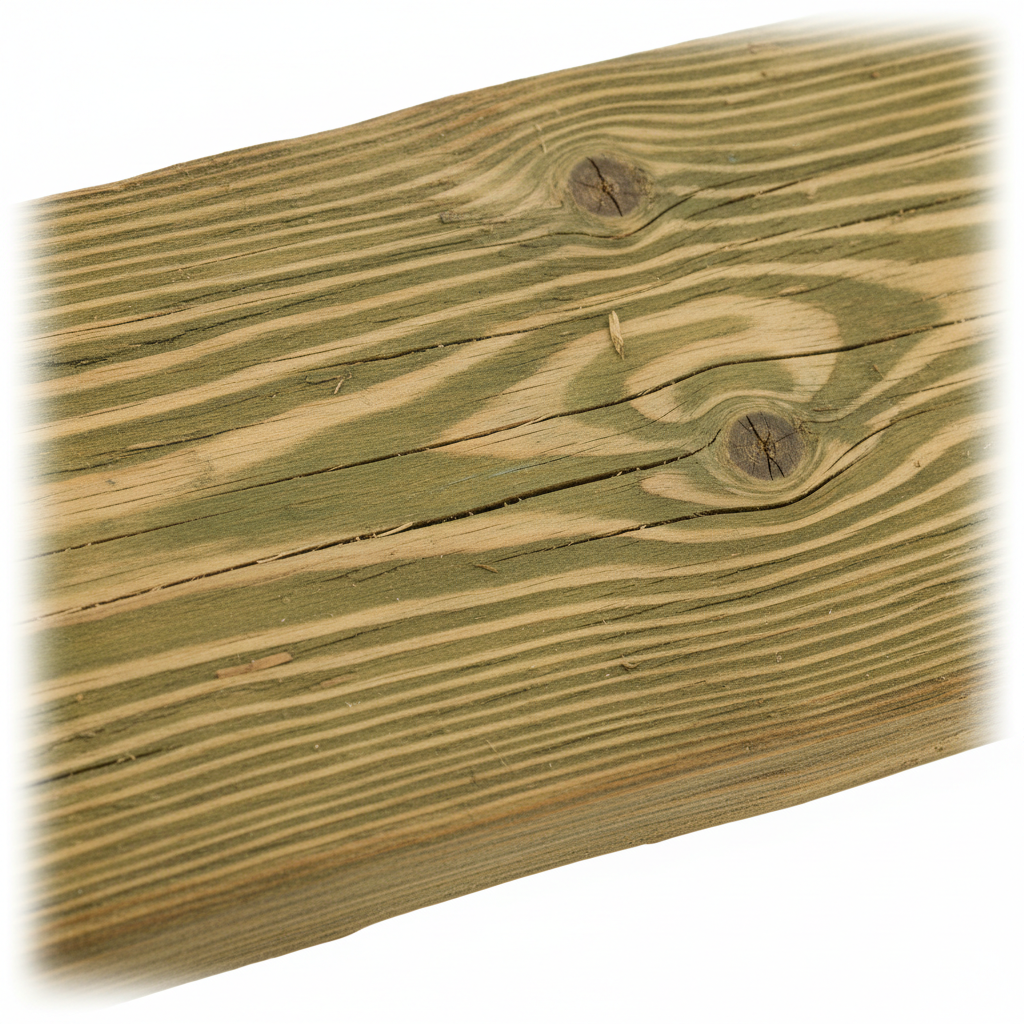
Pressure-Treated Pine
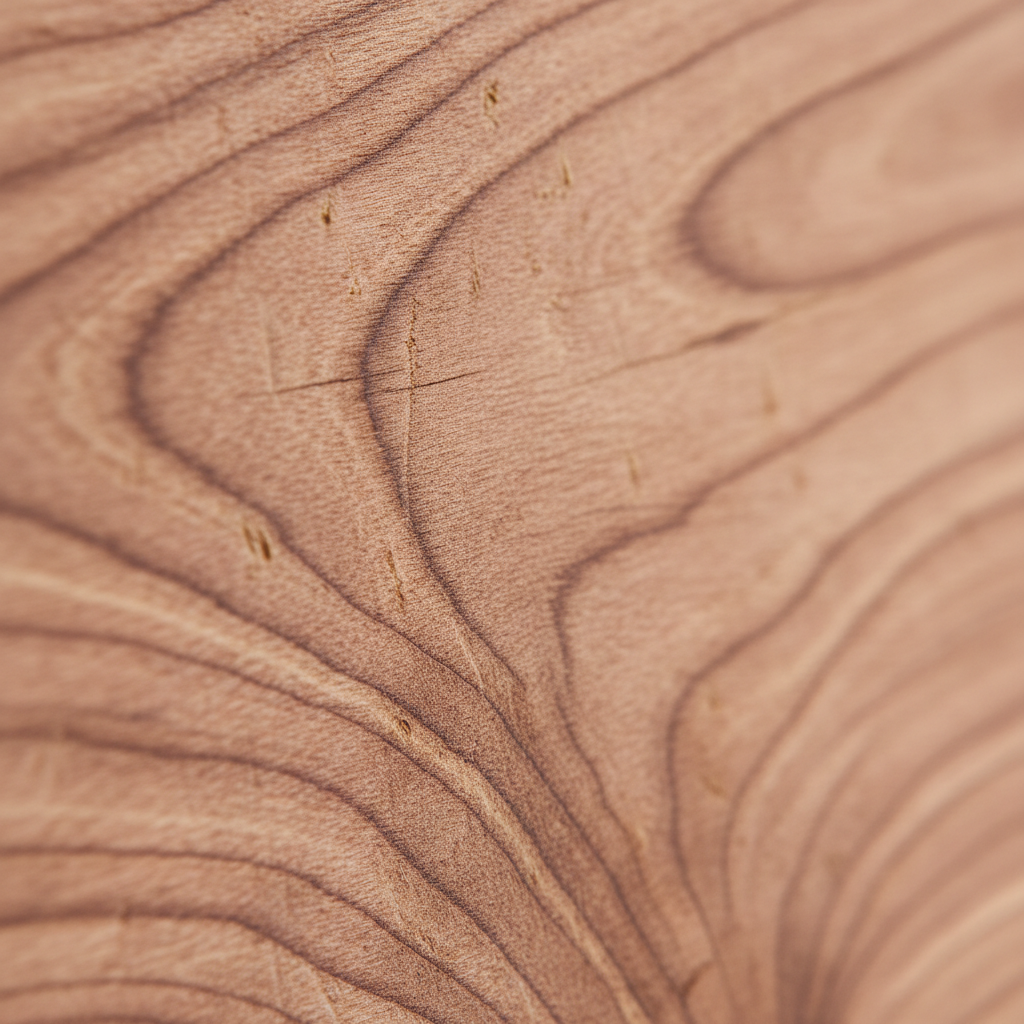
Cedar
Key Takeaways
- Timber retaining walls are an affordable way to manage slopes and create level planting areas, but the wood must withstand constant ground contact and moisture.
- Pressure-Treated Pine and Cedar are the two most common choices, each with distinct trade-offs in durability, cost, and appearance.
- This comparison covers everything you need to select the right timber for your retaining wall.
- Pressure-Treated Pine is the clear winner for most retaining wall applications — its superior strength, longevity, and lower cost make it the practical choice for walls holding significant soil loads.
- Cedar is only preferable for small decorative garden borders where chemical-free is essential and the wall is not carrying heavy loads.
| Property | Pressure-Treated Pine | Cedar |
|---|---|---|
| Ground-Contact Lifespan | 20–40 years (6x6 timbers) | 10–20 years |
| Structural Strength | Excellent | Moderate |
| Avg Cost (6x6x8) | $25–40 | $45–75 |
| Chemical Treatment | Yes — ground-contact rated | None |
| Soil Contact Safety | EPA approved — ACQ/MCA | Completely natural |
| Availability (6x6) | Excellent | Limited in large sizes |
Pressure-Treated Pine
Pros
- Longest-lasting option in constant ground contact. Most affordable per linear foot. Strongest structural support for retaining loads. Available in large timber dimensions everywhere.
Cons
- Contains chemical preservatives that contact soil. Cannot be burned for disposal. May leach chemicals near sensitive plantings. Less attractive without staining.
Cedar
Pros
- Completely natural and chemical-free. Safe for gardens and sensitive plantings. Attractive natural appearance. Lighter weight for easier handling.
Cons
- Significantly shorter lifespan in ground contact. Much more expensive in large dimensions. Harder to find in 6x6 and larger sizes. Weaker structurally than treated timbers.
Best Use Cases
Choose Pressure-Treated Pine for any retaining wall over 2 feet tall, in perpetually wet conditions, or when maximum lifespan and structural strength matter. Choose Cedar for low decorative retaining walls (under 2 feet), garden borders near edible plants, or where chemical-free construction is a strict requirement.
Verdict
Pressure-Treated Pine is the clear winner for most retaining wall applications — its superior strength, longevity, and lower cost make it the practical choice for walls holding significant soil loads. Cedar is only preferable for small decorative garden borders where chemical-free is essential and the wall is not carrying heavy loads.