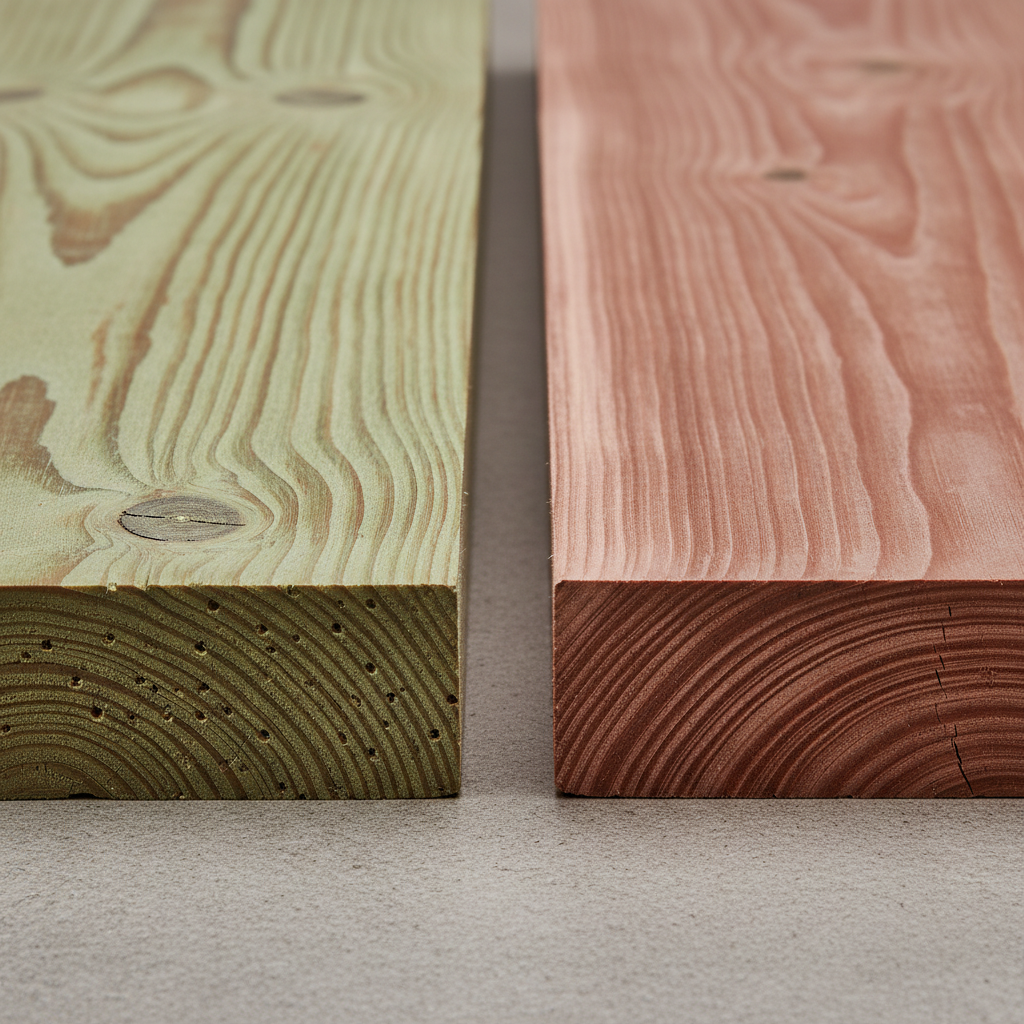
Treated Pine vs Cedar for Fence Posts: 2026 Complete Comparison (2026)
Fence posts must resist ground contact, moisture, and insects for decades, making material choice critical. Pressure-treated Pine is the budget standard with chemical protection, while Cedar offers natural decay resistance with a cleaner aesthetic. This comparison covers lifespan, cost, safety, and performance to help you choose the right posts for your fence.
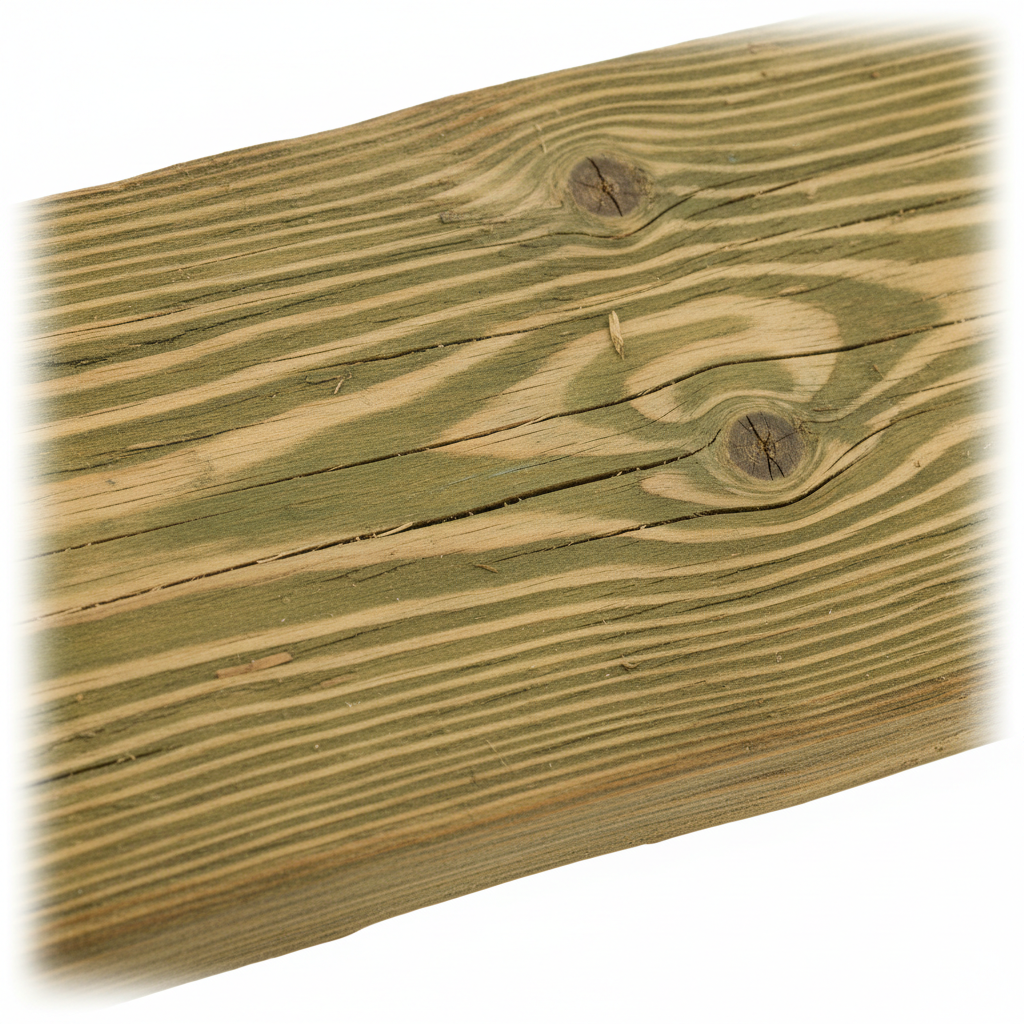
Pressure-Treated Pine
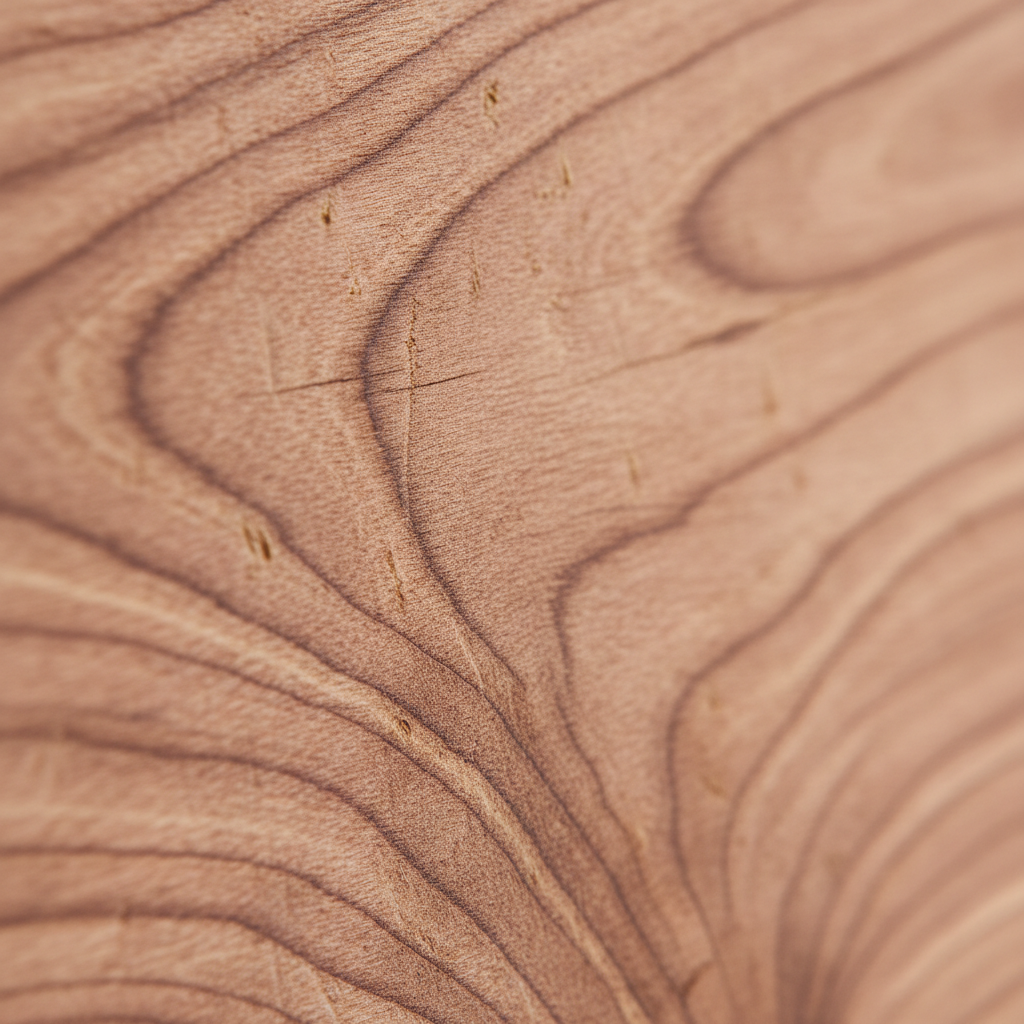
Cedar
Key Takeaways
- Fence posts must resist ground contact, moisture, and insects for decades, making material choice critical.
- Pressure-treated Pine is the budget standard with chemical protection, while Cedar offers natural decay resistance with a cleaner aesthetic.
- This comparison covers lifespan, cost, safety, and performance to help you choose the right posts for your fence.
- Pressure-Treated Pine is the practical choice for most fence posts — it costs less and lasts longer in ground contact.
- Cedar is worth the premium for garden applications where chemical-free matters, visible posts where appearance is important, or when you prioritize natural materials.
| Property | Pressure-Treated Pine | Cedar |
|---|---|---|
| Ground-Contact Lifespan | 20–30 years | 15–20 years |
| Decay Resistance | Excellent (chemical) | Good (natural) |
| Chemical Treatment | Yes — ACQ or MCA | None — natural oils |
| Avg Cost (4x4x8) | $10–15 | $18–30 |
| Appearance | Green/tan — weathers gray | Warm reddish — weathers silver |
| Environmental Impact | Moderate — chemical concerns | Low — naturally sustainable |
Pressure-Treated Pine
Pros
- Longest lifespan in ground contact. Most affordable option per post. Widely available at every lumberyard. Very strong structural support.
Cons
- Contains chemical preservatives — not organic-garden-friendly. Green-tinted appearance is not attractive. Cannot be burned for disposal. Requires gloves during handling.
Cedar
Pros
- Naturally decay-resistant without chemicals. Safe for organic garden beds and food-contact areas. Beautiful natural appearance. Environmentally friendly — no chemical treatment.
Cons
- Shorter lifespan than treated lumber in ground contact. Significantly more expensive per post. Heartwood only provides rot resistance — sapwood will decay. Softer — less structural strength.
Best Use Cases
Choose Pressure-Treated Pine when budget, maximum longevity, and structural strength are priorities — ideal for property line fences, security fences, and any post buried in perpetually wet soil. Choose Cedar when chemical-free is important (garden beds, animal enclosures), when appearance matters, or when environmental concerns outweigh cost.
Verdict
Pressure-Treated Pine is the practical choice for most fence posts — it costs less and lasts longer in ground contact. Cedar is worth the premium for garden applications where chemical-free matters, visible posts where appearance is important, or when you prioritize natural materials. Setting Cedar posts in gravel rather than concrete and using heartwood-only posts maximizes their lifespan.