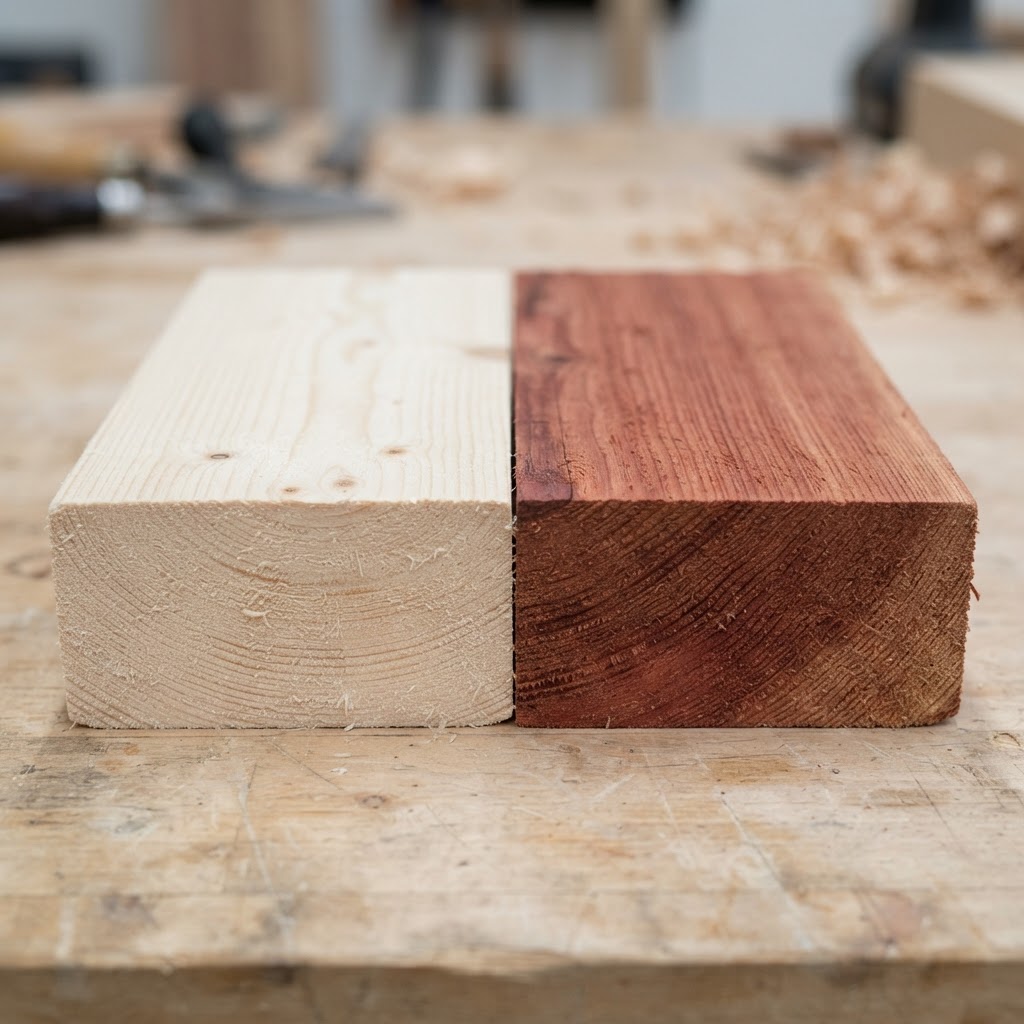
Spruce vs Redwood Piano Soundboards: 2026 Complete Comparison (2026)
The soundboard is the heart of a piano's tonal output, and Sitka Spruce has been the standard for over a century. However, Redwood is gaining attention as an alternative that offers unique tonal warmth and impressive resonance properties. This comparison examines both woods for piano builders, restorers, and serious buyers who want to understand what drives their instrument's voice.
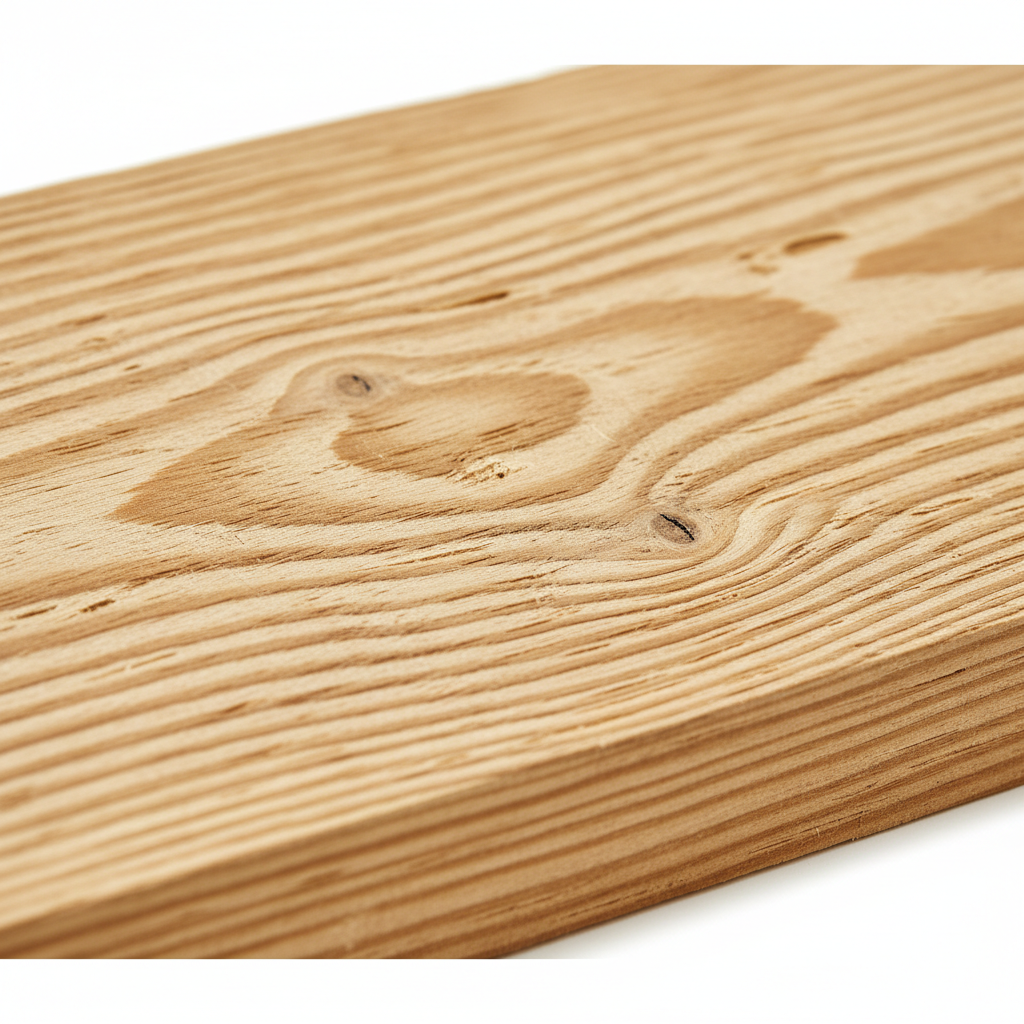
Spruce
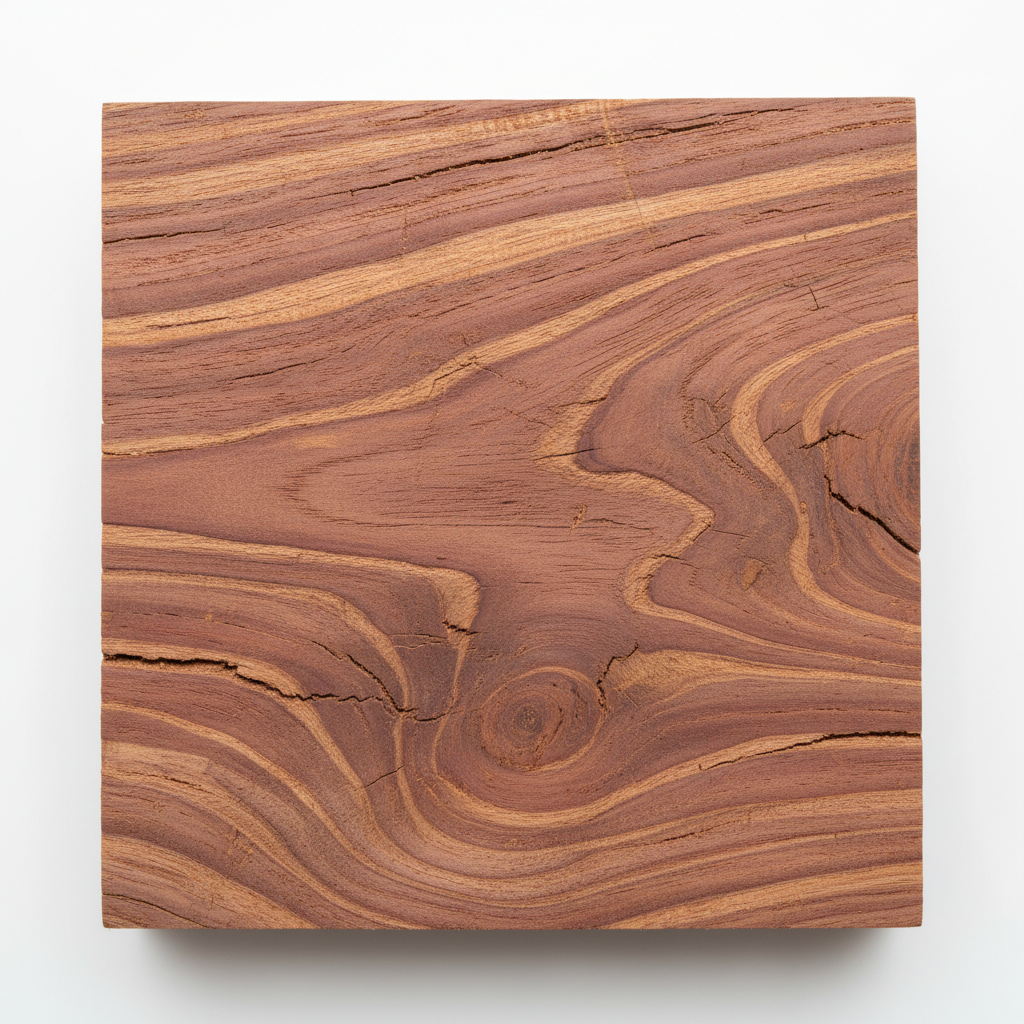
Redwood
Key Takeaways
- The soundboard is the heart of a piano's tonal output, and Sitka Spruce has been the standard for over a century.
- However, Redwood is gaining attention as an alternative that offers unique tonal warmth and impressive resonance properties.
- This comparison examines both woods for piano builders, restorers, and serious buyers who want to understand what drives their instrument's voice.
- Spruce remains the gold standard for piano soundboards and is the correct choice for nearly all applications.
- Redwood is an intriguing alternative for adventurous builders seeking a unique warm voice, but its limited availability and shorter track record make it a niche option rather than a replacement.
| Property | Spruce | Redwood |
|---|---|---|
| Stiffness-To-Weight | Exceptional — industry standard | Very good — slightly lower |
| Tone Character | Clear, brilliant, wide dynamic range | Warm, rich, singing quality |
| Resonance | Excellent | Excellent — comparable |
| Availability | Widely available in large billets | Limited — old-growth preferred |
| Stability | Very stable over decades | Good — requires careful selection |
| Track Record | 150+ years in major pianos | Limited but growing |
Spruce
Pros
- Proven over 150+ years in the finest pianos. Exceptional stiffness-to-weight ratio for maximum resonance. Available in wide, clear billets needed for soundboards. Predictable aging and long-term stability.
Cons
- Premium Sitka Spruce is increasingly expensive. Tight-grained old-growth material is harder to source. Tone can be perceived as clinical by some builders.
Redwood
Pros
- Warm, rich tonal character that some pianists prefer. Excellent resonance properties rival Spruce. Naturally decay-resistant and long-lasting. Unique tonal signature differentiates custom instruments.
Cons
- Very limited availability in soundboard-grade material. Lacks the centuries of proven track record that Spruce has. Slightly lower stiffness requires careful graduation. Few piano manufacturers have adopted it.
Best Use Cases
Choose Spruce for any piano where proven performance, wide availability, and predictable long-term behavior matter — which includes the vast majority of builds and restorations. Choose Redwood for custom or artisan instruments where a unique, warm tonal character is desired and you can source high-quality material.
Verdict
Spruce remains the gold standard for piano soundboards and is the correct choice for nearly all applications. Redwood is an intriguing alternative for adventurous builders seeking a unique warm voice, but its limited availability and shorter track record make it a niche option rather than a replacement.