Spruce vs Cedar Guitar Soundboards: 2026 Complete Comparison (2026)
The soundboard is the most important tonal component of an acoustic guitar, and the choice between Spruce and Cedar tops defines the instrument's voice. Spruce delivers bright, projecting tone that opens up over years of playing, while Cedar offers warm, immediate responsiveness right out of the case. Whether you are building or buying, this comparison covers every tonal and practical consideration.
Spruce
Cedar
Key Takeaways
- The soundboard is the most important tonal component of an acoustic guitar, and the choice between Spruce and Cedar tops defines the instrument's voice.
- Spruce delivers bright, projecting tone that opens up over years of playing, while Cedar offers warm, immediate responsiveness right out of the case.
- Whether you are building or buying, this comparison covers every tonal and practical consideration.
- Spruce is the standard for good reason — it offers the best projection, dynamic range, and long-term tonal development.
- Cedar is the fingerstylist's dream, delivering immediate warmth and responsiveness.
| Property | Spruce | Cedar |
|---|---|---|
| Tone Character | Bright, clear, projecting | Warm, rich, intimate |
| Volume/Projection | High — excellent projection | Moderate — favors closeness |
| Break-In Period | Opens up over years | Sounds great immediately |
| Dynamic Range | Wide — responds to touch | More compressed |
| Stiffness-To-Weight | Very high | Moderate |
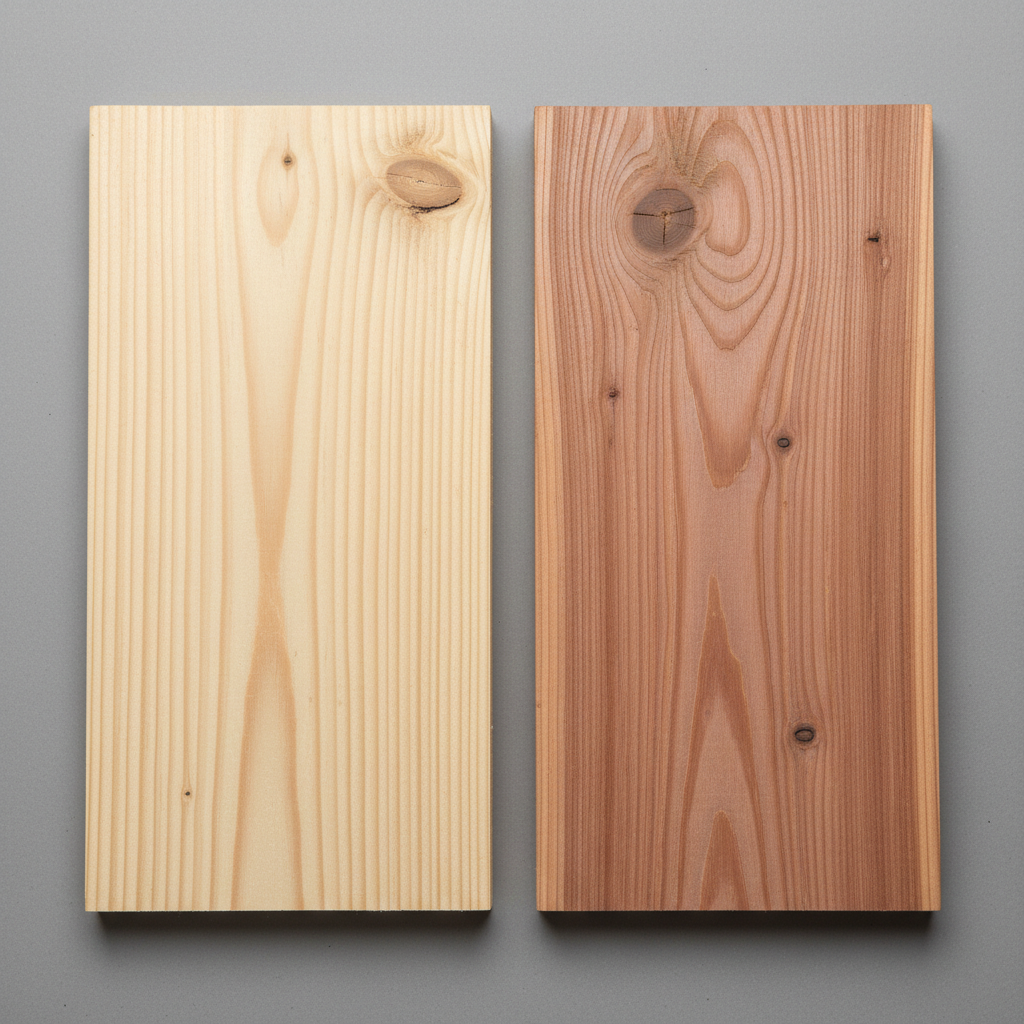
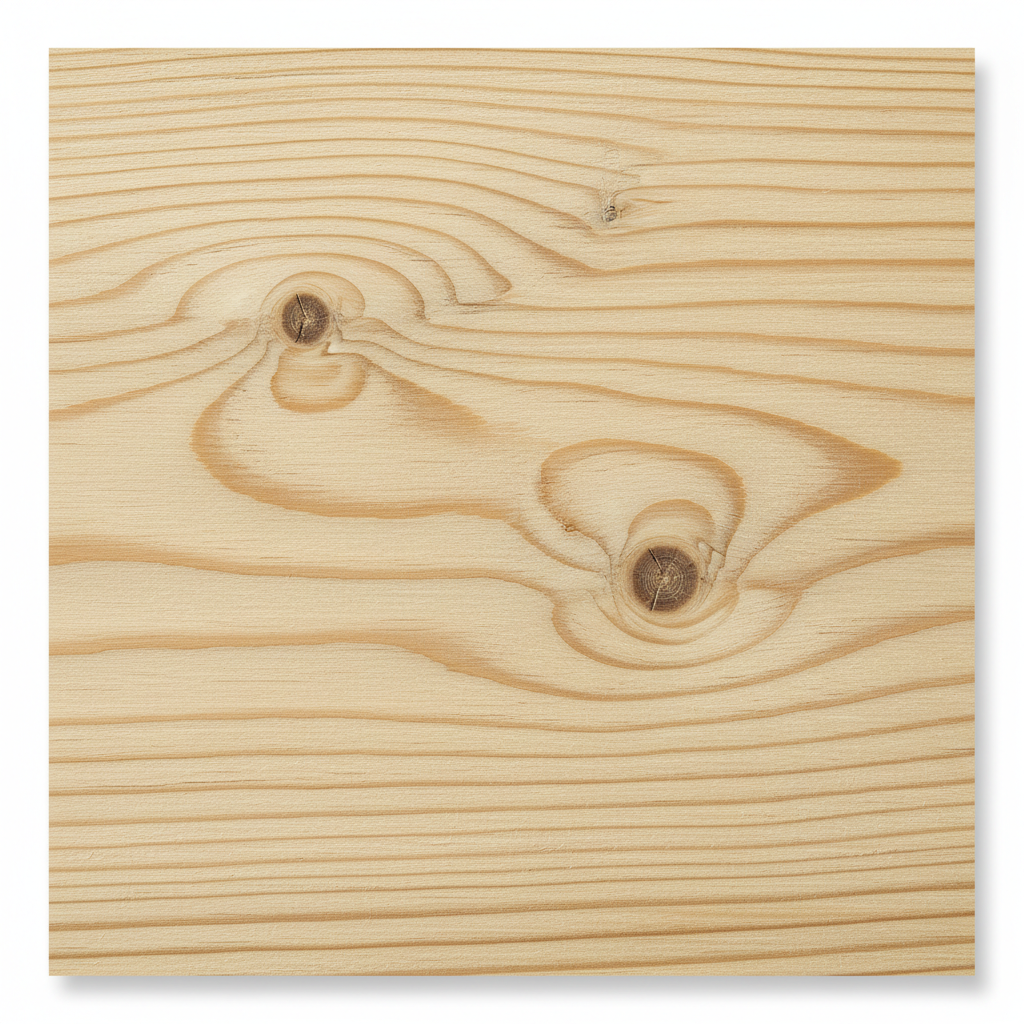
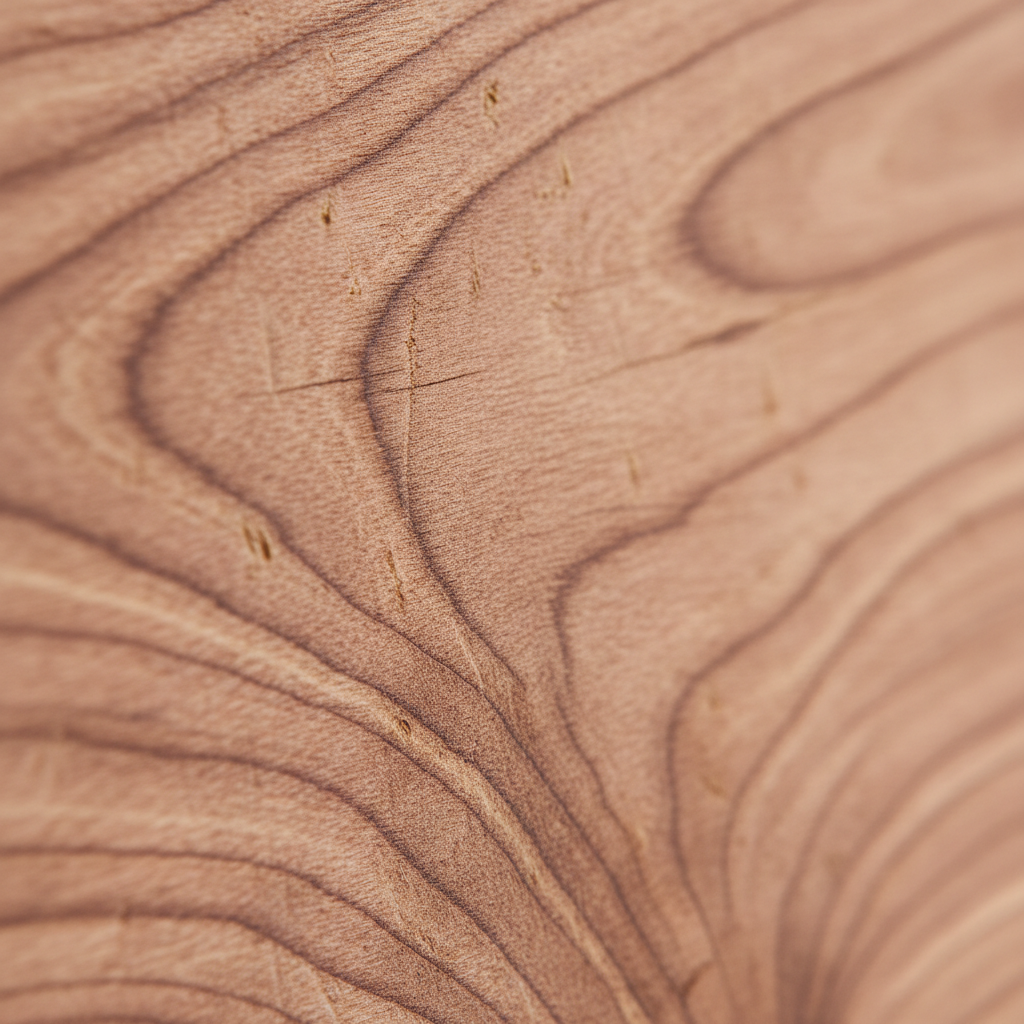
| Color | Pale cream to golden | Warm reddish-brown |
Spruce
Pros
- Superior projection and volume for performance. Wide dynamic range rewards expressive playing. Tone improves and opens up over decades. Versatile across all playing styles — strumming and fingerpicking.
Cons
- Needs a break-in period before reaching full tonal potential. Can sound thin or harsh on inexpensive guitars. Requires a heavier touch to drive the top.
Cedar
Pros
- Warm, full tone right out of the box — no break-in needed. Responds beautifully to light fingerpicking touch. Rich overtones and complex harmonic content. Gorgeous reddish-brown appearance.
Cons
- Less projection — can get lost in ensemble settings. More fragile — dents and scratches more easily. Tonal ceiling is reached sooner than Spruce.
Best Use Cases
Choose Spruce if you play in bands, perform on stage, strum aggressively, or want a guitar that improves over decades. Choose Cedar if you are a fingerstyle player, prefer warm intimate tone, play solo or in small settings, or want great sound immediately without a break-in period.
Verdict
Spruce is the standard for good reason — it offers the best projection, dynamic range, and long-term tonal development. Cedar is the fingerstylist's dream, delivering immediate warmth and responsiveness. Neither is objectively better; the right choice depends entirely on your playing style and tonal preference.