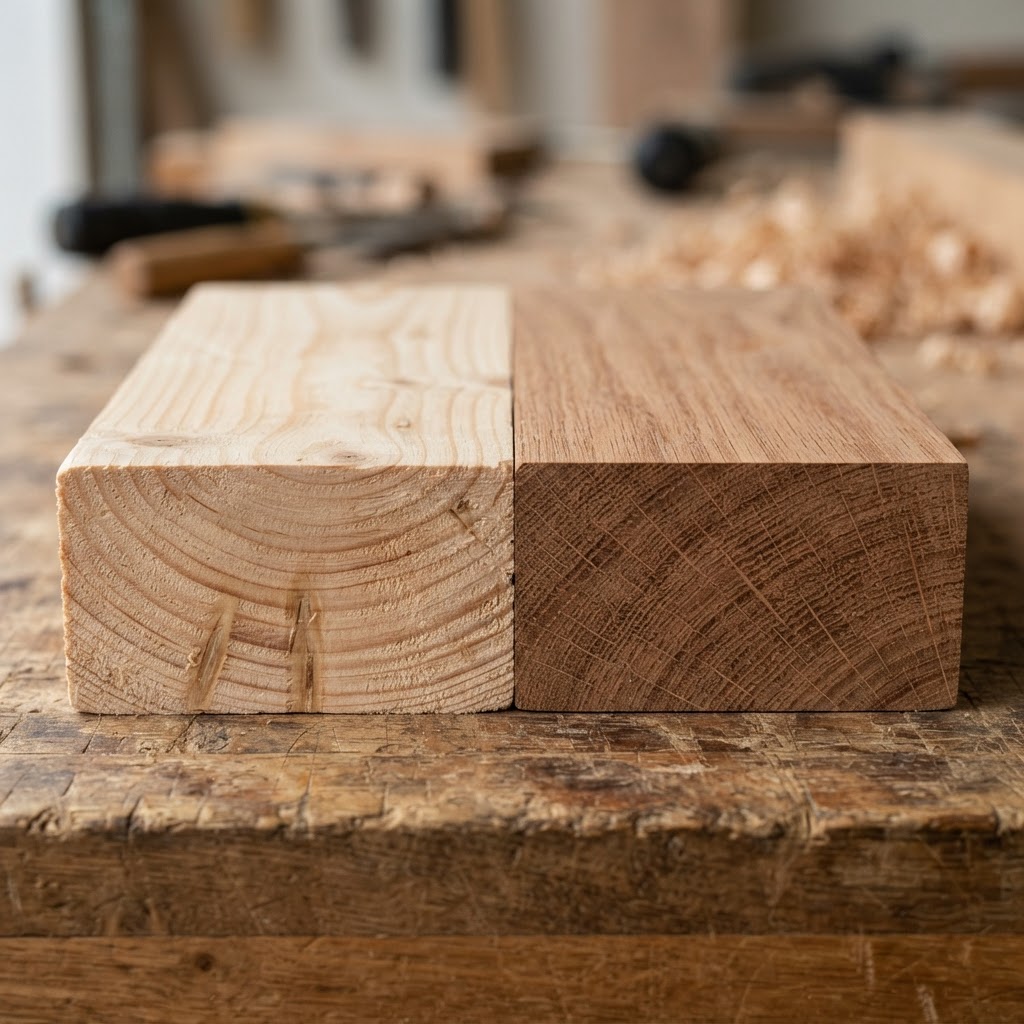
structural
Softwood vs Hardwood: What's the Real Difference? (2026)
Softwood and hardwood don't refer to actual hardness but to tree type. Softwoods come from conifers; hardwoods come from deciduous trees. This guide explains when to use each.
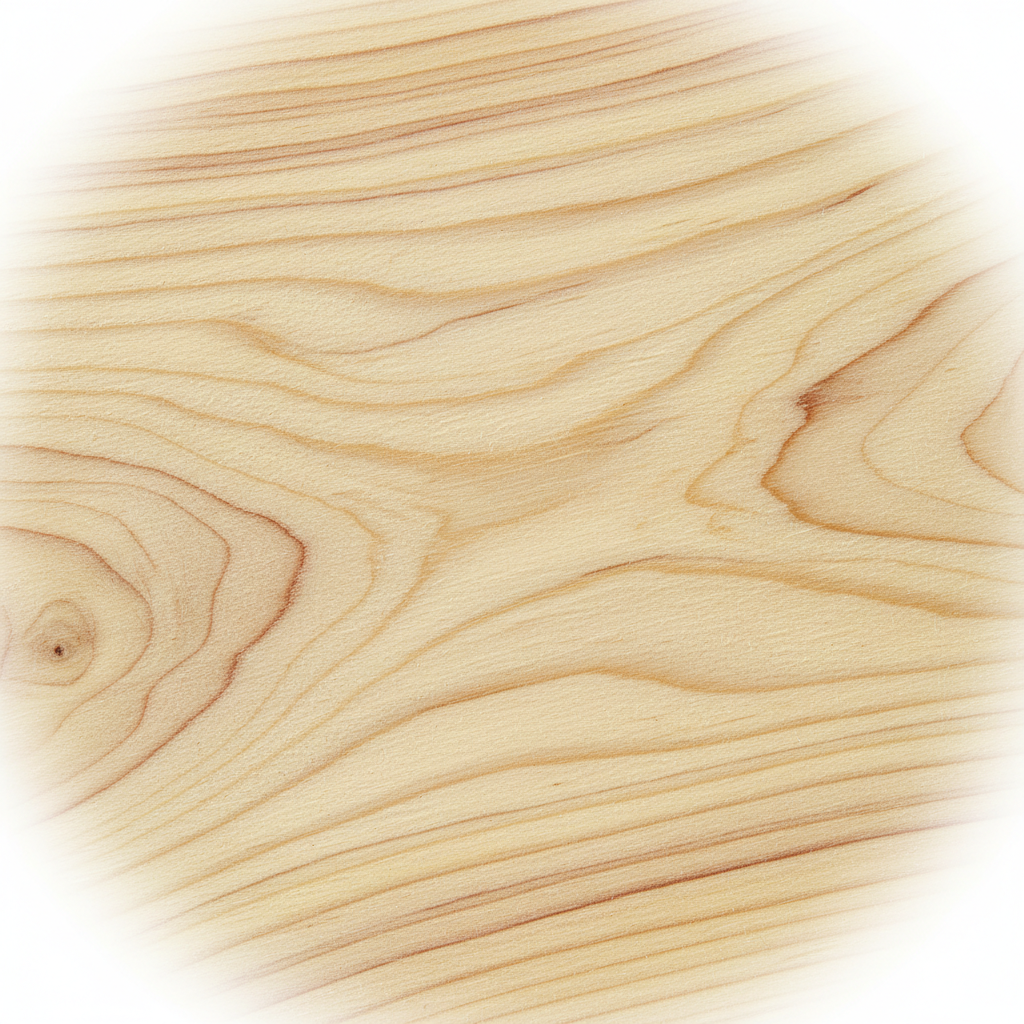
Softwood
vs
vs
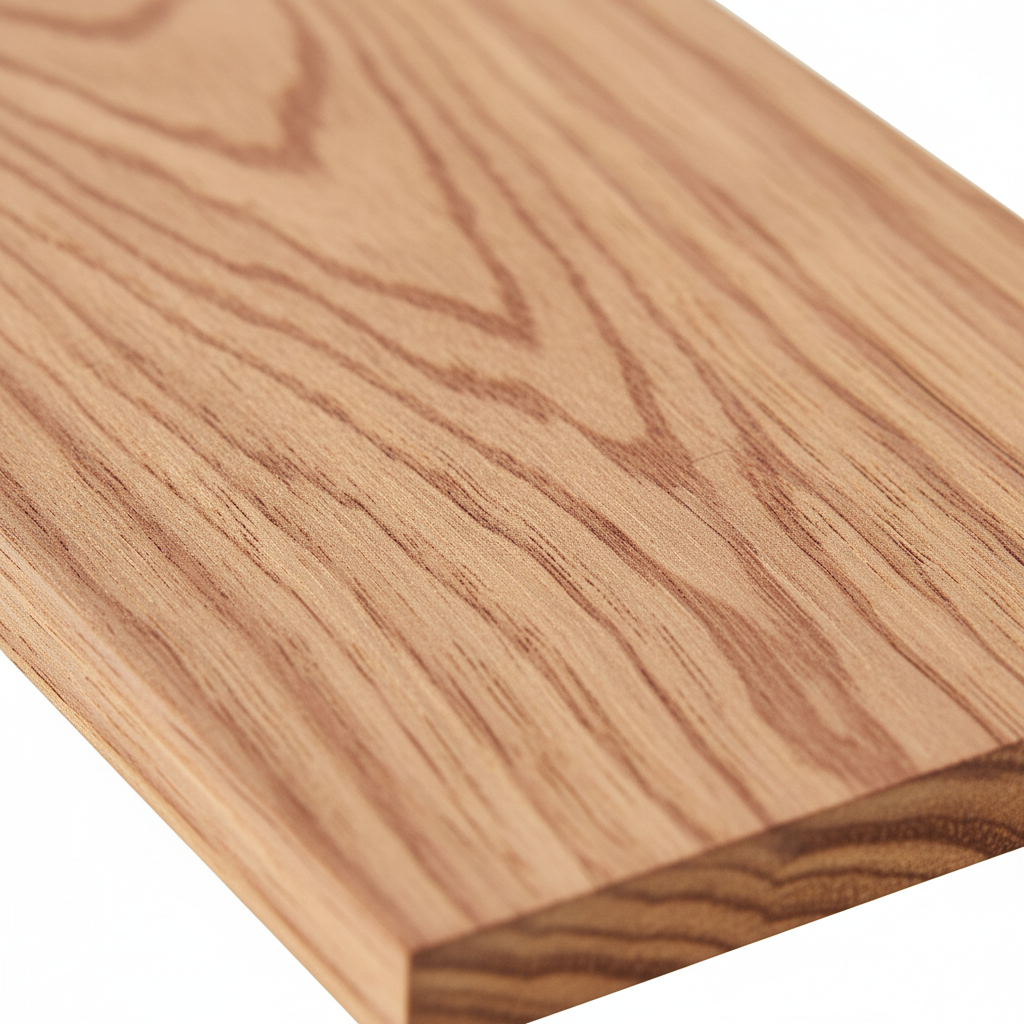
Hardwood
Key Takeaways
- Softwood and hardwood don't refer to actual hardness but to tree type.
- Softwoods come from conifers; hardwoods come from deciduous trees.
- This guide explains when to use each.
- Softwood and hardwood serve fundamentally different purposes.
- Construction uses softwood; finished goods use hardwood.
| Property | Softwood | Hardwood |
|---|---|---|
| Tree Type | Conifers (pine, fir) | Deciduous (oak, maple) |
| Cost | Generally lower | Generally higher |
| Common Use | Construction | Furniture, flooring |
Softwood
Pros
- Much more affordable, Faster growing renewable, Lighter and easier to work, Excellent for framing
Cons
- Generally less durable, More prone to dents, Less variety in appearance, Not for high-end furniture
Hardwood
Pros
- Greater durability and hardness, Beautiful species variety, Adds home value, Better for furniture and flooring
Cons
- More expensive, Slower growing, Heavier and harder to work, Some species increasingly scarce
Best Use Cases
Use softwood for construction and outdoor structures. Use hardwood for flooring furniture and cabinetry.
Verdict
Softwood and hardwood serve fundamentally different purposes. Construction uses softwood; finished goods use hardwood.
Frequently Asked Questions
No. Balsa (hardwood) is softer than most softwoods. The terms refer to tree type not actual hardness.
Faster growing, more abundant, and easier to harvest keeps prices down.
Yes, pine and cedar are popular but dent more easily than hardwoods.