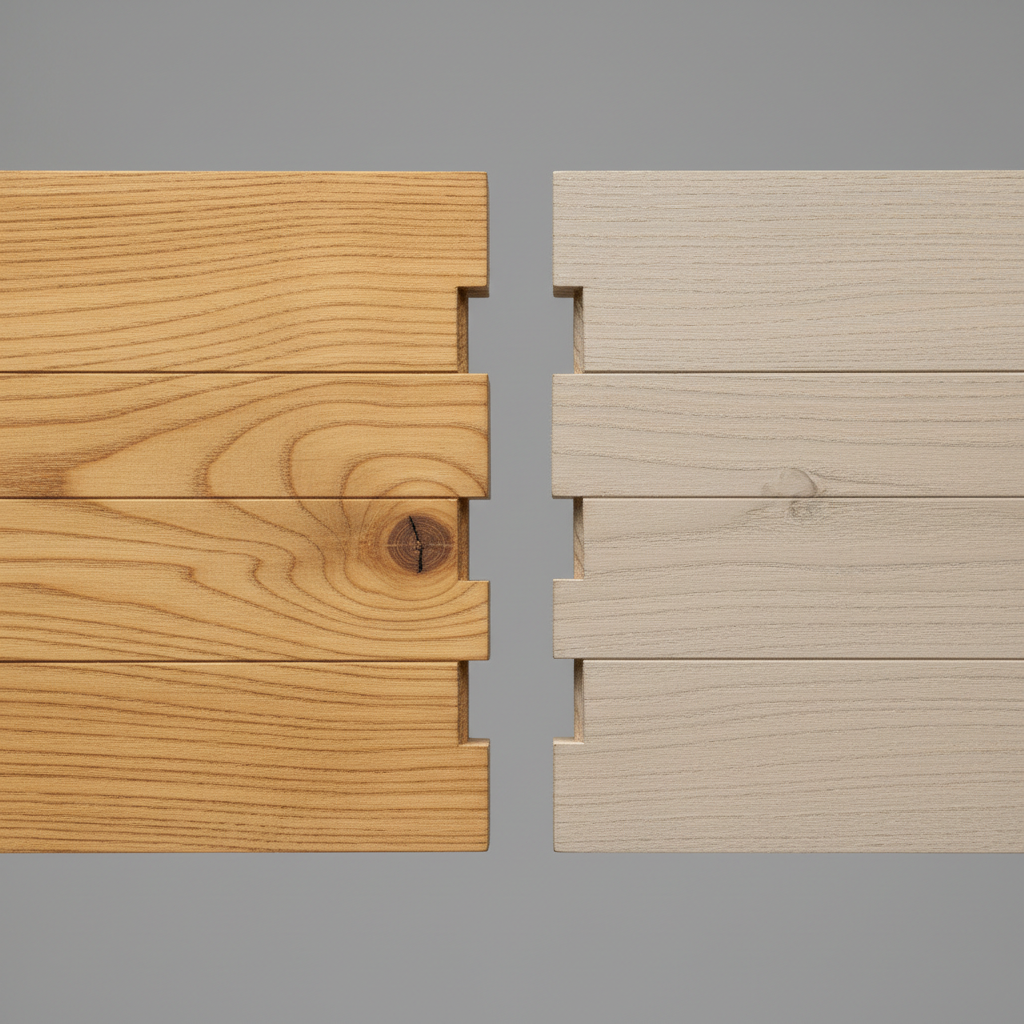
Shiplap vs Tongue and Groove Wall Panels: 2026 Complete Comparison (2026)
Shiplap and tongue-and-groove are the two most popular solid-wood wall treatments, each creating a distinctive look. Shiplap features a visible shadow line between boards that creates a casual, farmhouse aesthetic, while tongue-and-groove provides a seamless, tighter appearance. This guide compares installation, cost, appearance, and practical considerations for both profiles.
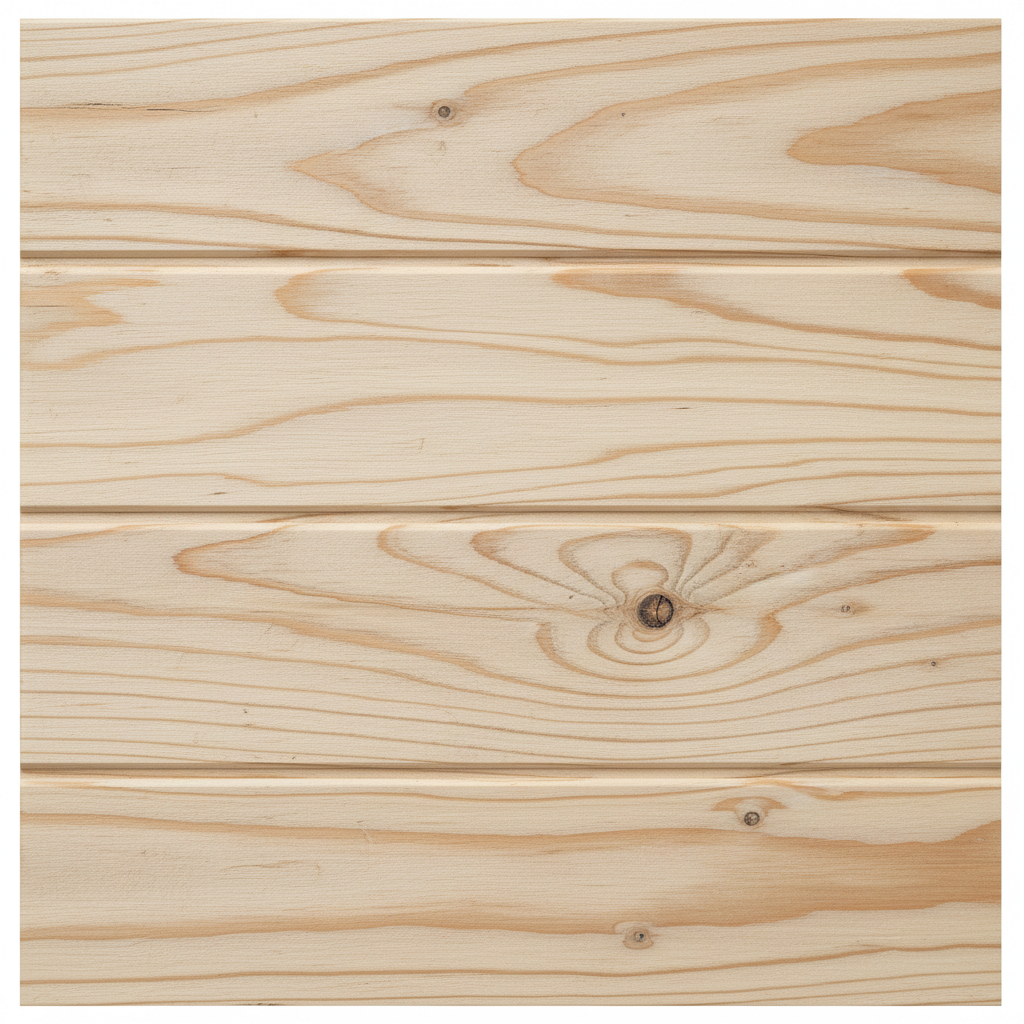
Shiplap
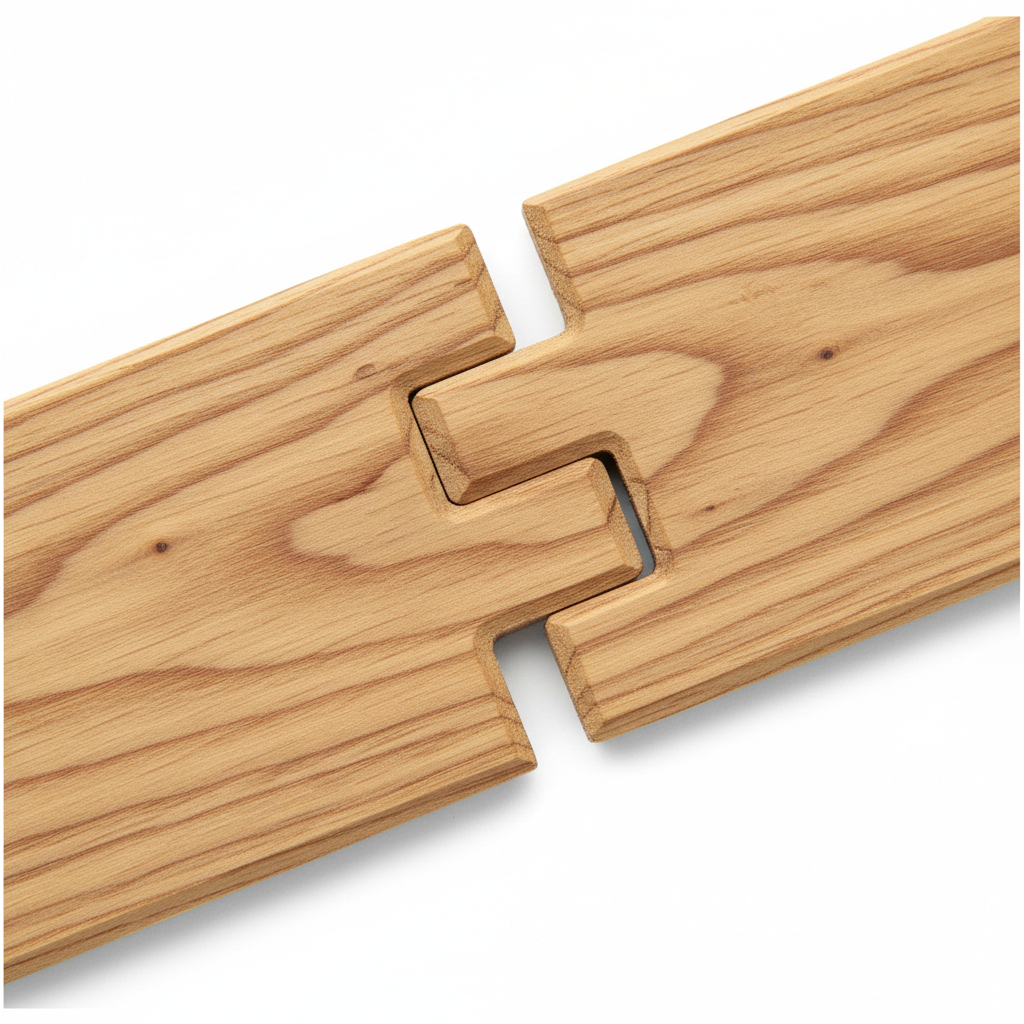
Tongue & Groove
Key Takeaways
- Shiplap and tongue-and-groove are the two most popular solid-wood wall treatments, each creating a distinctive look.
- Shiplap features a visible shadow line between boards that creates a casual, farmhouse aesthetic, while tongue-and-groove provides a seamless, tighter appearance.
- This guide compares installation, cost, appearance, and practical considerations for both profiles.
- Both profiles are excellent wall treatments.
- Shiplap is easier to install and delivers the trendy farmhouse look many homeowners want.
| Property | Shiplap | Tongue & Groove |
|---|---|---|
| Joint Style | Overlapping rabbet — visible gap | Interlocking tongue — tight seam |
| Aesthetic | Casual, farmhouse, coastal | Clean, traditional, refined |
| Install Difficulty | Easy — forgiving of errors | Moderate — alignment is critical |
| Avg Cost (Sq Ft) | $2–5 | $3–6 |
| Gap Visibility | Yes — defined shadow lines | Minimal — tight joints |
| Moisture Movement | Hides shrinkage well | Can show gaps if wood shrinks |
Shiplap
Pros
- Distinctive shadow-line look is highly popular. Easier and more forgiving to install. Overlapping joint hides seasonal wood movement. Slightly less expensive than tongue-and-groove.
Cons
- Gaps collect dust on horizontal installations. Can look dated as design trends shift. Shadow lines create visual busyness in small spaces. Less weathertight than tongue-and-groove.
Tongue & Groove
Pros
- Clean, seamless appearance suits traditional and modern homes. Interlocking joint provides better weatherproofing. Excellent for ceilings where dust collection is a concern. More refined, timeless look.
Cons
- More difficult to install — alignment mistakes are visible. Seasonal shrinkage can open visible gaps. Slightly more expensive per square foot. Harder to replace individual damaged boards.
Best Use Cases
Choose Shiplap for accent walls, farmhouse or coastal style interiors, and areas where easy installation and a casual look are desired. Choose Tongue and Groove for ceilings, exterior soffits, bathroom walls, and any application where a tight, seamless, or weatherproof installation is important.
Verdict
Both profiles are excellent wall treatments. Shiplap is easier to install and delivers the trendy farmhouse look many homeowners want. Tongue-and-groove is the more versatile and practical choice overall — especially for ceilings and exterior applications where its tighter joint provides real performance advantages.