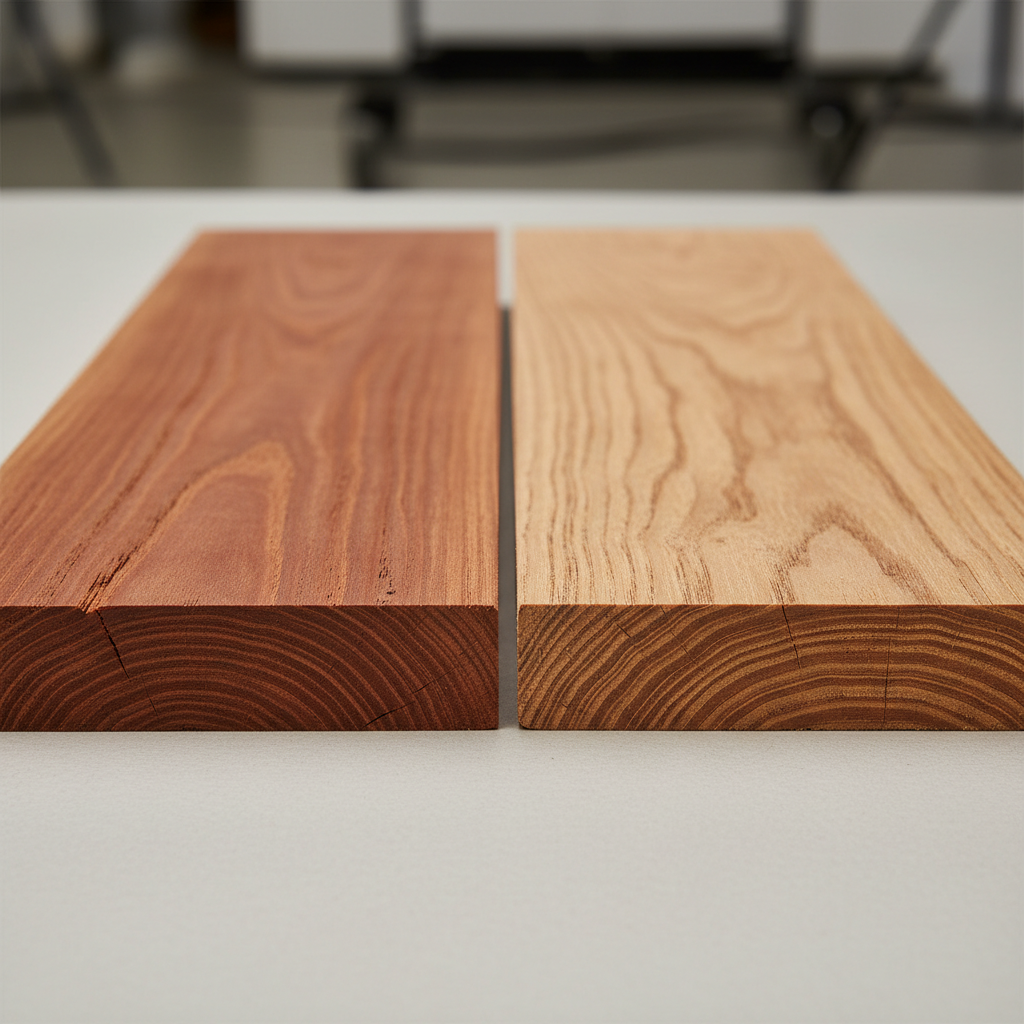
Redwood vs Cedar Raised Garden Beds: 2026 Complete Comparison (2026)
Raised garden beds need wood that resists ground contact and moisture without leaching chemicals into the soil. Redwood and Cedar are the two premier natural choices, both offering decay resistance without chemical treatment. This comparison covers longevity, cost, food safety, and regional availability to help you build beds that last.
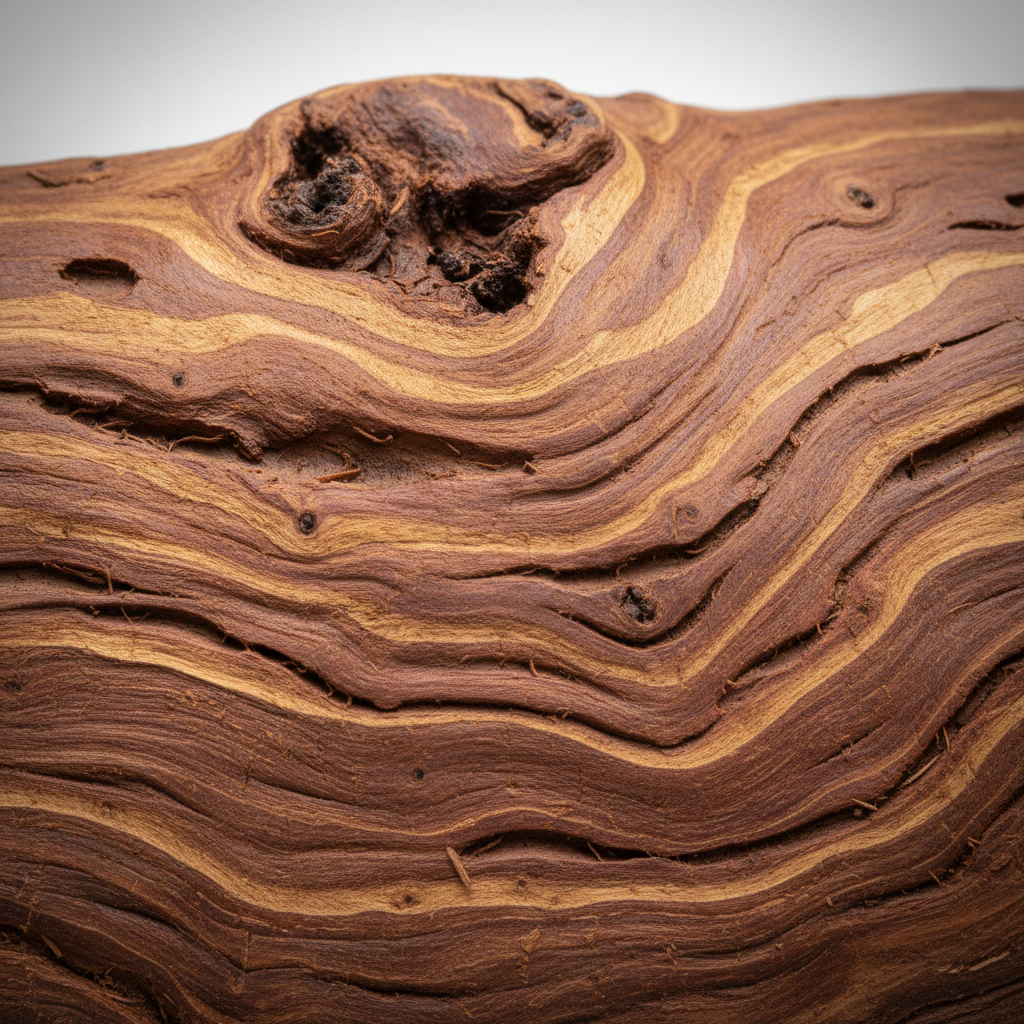
Redwood
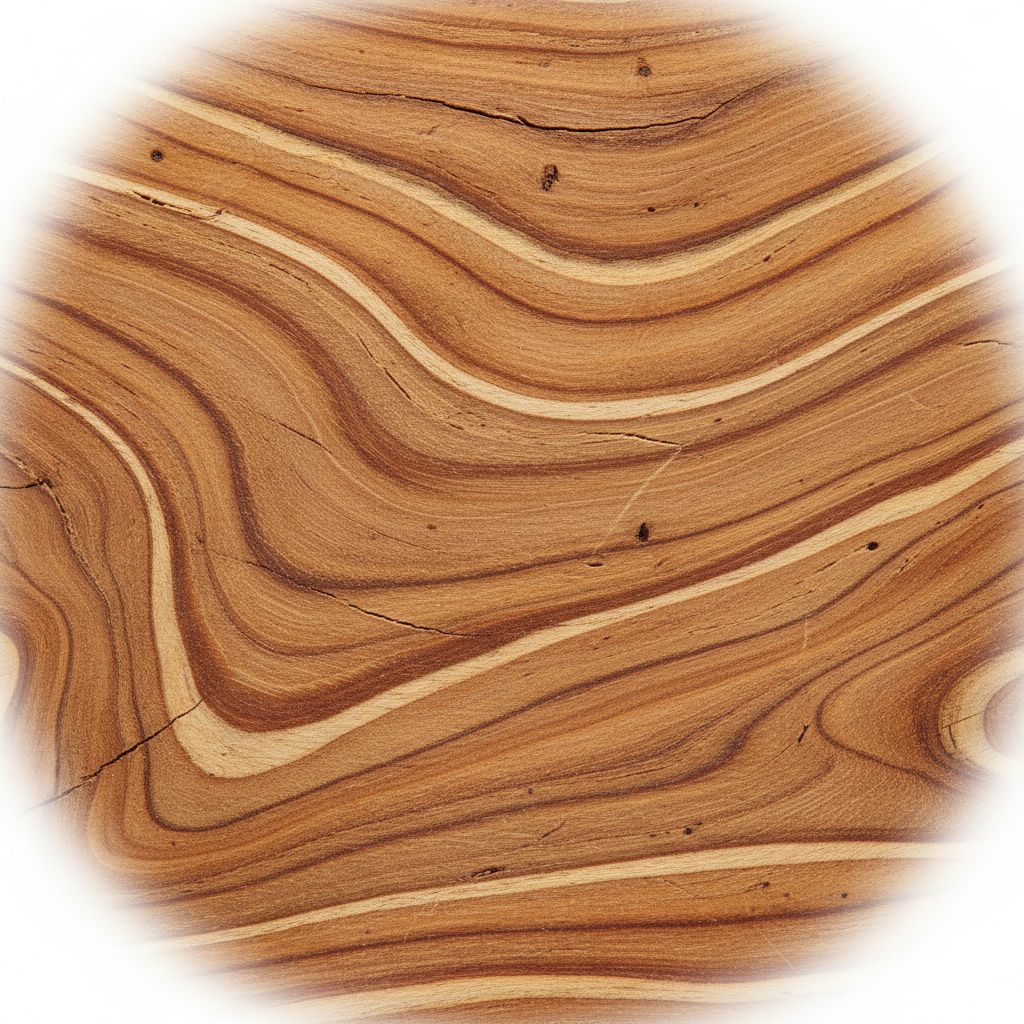
Cedar
Key Takeaways
- Raised garden beds need wood that resists ground contact and moisture without leaching chemicals into the soil.
- Redwood and Cedar are the two premier natural choices, both offering decay resistance without chemical treatment.
- This comparison covers longevity, cost, food safety, and regional availability to help you build beds that last.
- Redwood is the longer-lasting option and the best choice where it is locally available.
- Cedar is the more practical nationwide choice — it costs less, is easier to find, and still provides excellent service for garden beds.
| Property | Redwood | Cedar |
|---|---|---|
| Decay Resistance | Excellent — heartwood is superior | Very good — heartwood |
| Food Safety | Excellent — no chemicals | Excellent — no chemicals |
| Avg Cost (4x8 Bed, 2x6) | $120–200 | $80–150 |
| Availability | Best in western US | Available nationwide |
| Lifespan (Ground Contact) | 15–25 years | 10–20 years |
| Insect Resistance | Excellent | Very good |
Redwood
Pros
- Superior decay resistance — outlasts Cedar in ground contact. Completely food-safe and chemical-free. Beautiful reddish color enhances garden aesthetics. Exceptional insect resistance.
Cons
- More expensive than Cedar. Limited availability outside the western US. Premium grades are increasingly scarce. Old-growth Redwood raises sustainability concerns.
Cedar
Pros
- More affordable and widely available nationwide. Completely food-safe without treatment. Still offers good decay resistance in ground contact. Lighter weight makes handling easier.
Cons
- Shorter lifespan than Redwood in constant soil contact. Sapwood portions rot quickly — heartwood only is essential. Thinner boards can bow and warp over time. Less insect resistant than Redwood.
Best Use Cases
Choose Redwood if you are on the West Coast where it is readily available and want maximum longevity from your garden beds. Choose Cedar if you are elsewhere in the country, want good rot resistance at a lower cost, or are building beds you may replace in 10-15 years.
Verdict
Redwood is the longer-lasting option and the best choice where it is locally available. Cedar is the more practical nationwide choice — it costs less, is easier to find, and still provides excellent service for garden beds. Both are food-safe and chemical-free, making either an excellent choice for vegetable gardens.