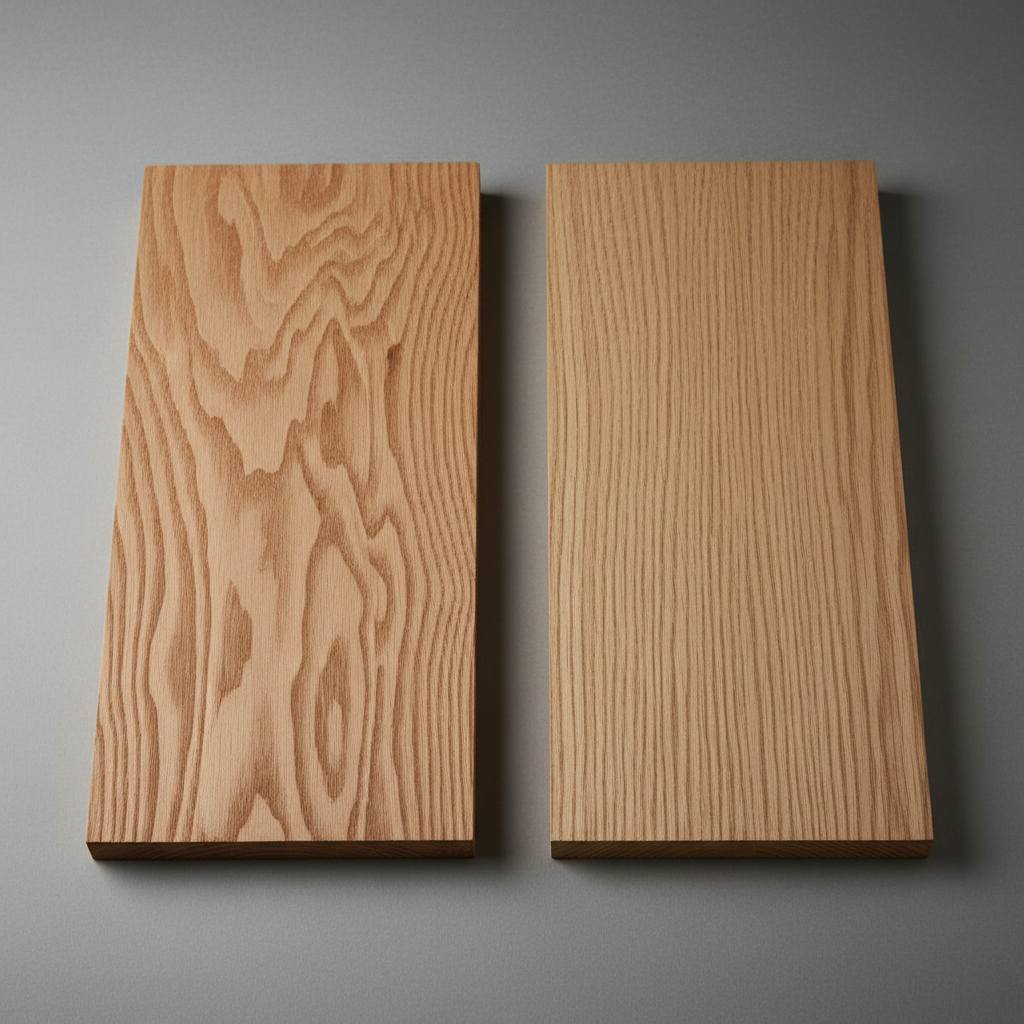
Red Oak vs White Oak: Complete Wood Comparison Guide (2026)
Red oak and white oak are the two most common oak species used in woodworking, furniture, and construction in North America. While they share the oak family name, they differ in important ways that affect appearance, durability, and suitability for different projects. This comprehensive guide covers everything you need to know.
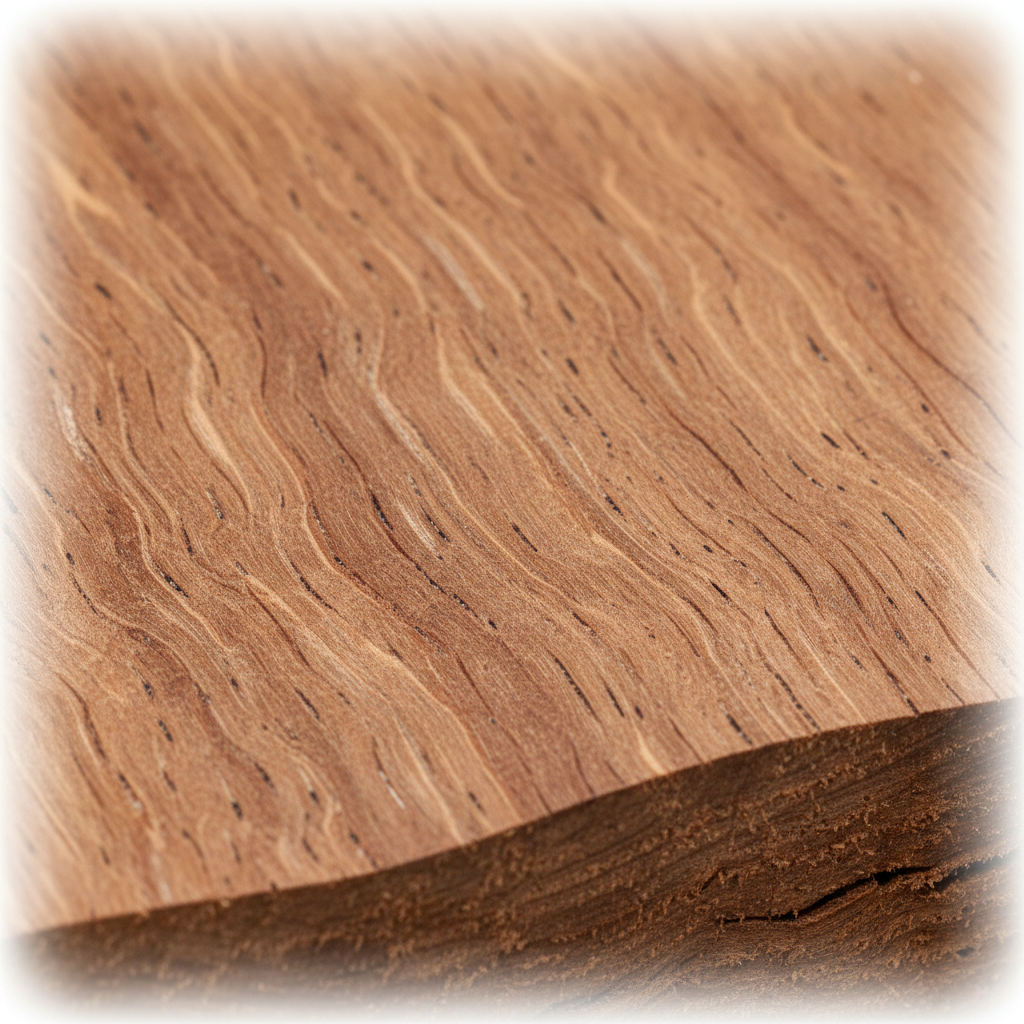
Red Oak
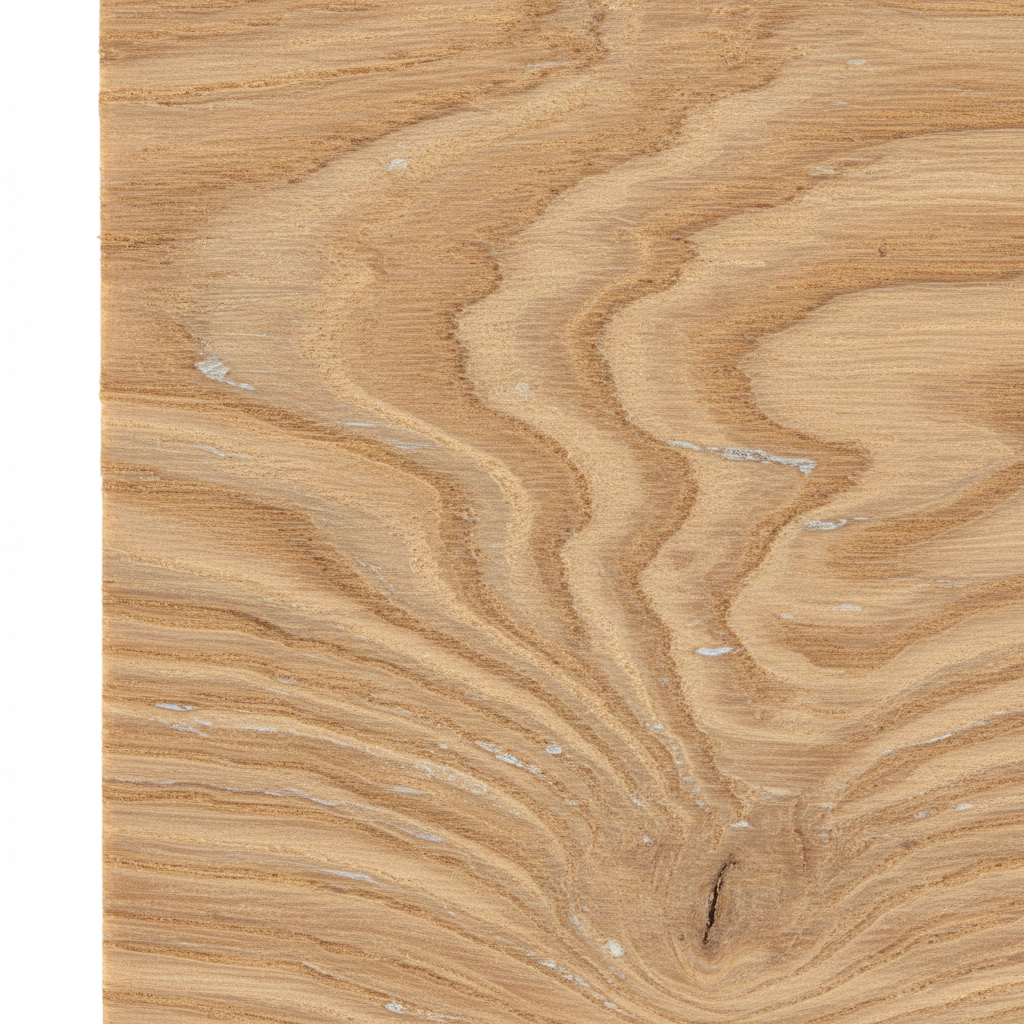
White Oak
Key Takeaways
- Red oak and white oak are the two most common oak species used in woodworking, furniture, and construction in North America.
- While they share the oak family name, they differ in important ways that affect appearance, durability, and suitability for different projects.
- This comprehensive guide covers everything you need to know.
- White oak has surpassed red oak in popularity and versatility.
- Its neutral color, closed pores, and design flexibility make it the better all-around choice for most modern projects.
| Property | Red Oak | White Oak |
|---|---|---|
| Janka Hardness | 1,290 lbf | 1,360 lbf |
| Color | Pinkish to salmon tones | Warm tan to brown |
| Grain | Bold cathedral arches | Subtle ray flecks |
| Pore Structure | Open pores | Closed/tyloses |
| Water Resistance | Low - open pores | Good - closed pores |
| Price/Board Ft | $3-$7 | $5-$10 |
| Current Trend | Declining popularity | Rising popularity |
Red Oak
Pros
- More affordable, Widely available, Bold distinctive grain, Proven performance
Cons
- Pinkish undertone limits design flexibility, Open pores absorb more moisture, Perceived as dated, Less versatile with stains
White Oak
Pros
- Neutral warm color, Water-resistant closed pores, Currently trending, Extremely versatile with stains
Cons
- More expensive, Can react with iron, Tannin bleed possible, Supply tighter due to demand
Best Use Cases
Choose red oak for budget-friendly projects, traditional aesthetics, and applications where its bold grain is appreciated. Choose white oak for modern designs, wet-area applications, and projects where current design trends and versatile staining matter.
Verdict
White oak has surpassed red oak in popularity and versatility. Its neutral color, closed pores, and design flexibility make it the better all-around choice for most modern projects. Red oak remains a solid, affordable option for traditional applications.
Frequently Asked Questions
Related Comparisons
Basswood vs Poplar
Basswood and poplar are soft affordable hardwoods. Compare carving ease, paintability, strength, and
Read guideBamboo vs Eucalyptus
Compare bamboo and eucalyptus for outdoor furniture durability, sustainability, cost, and maintenanc
Read guideAsh vs Maple
Ash and maple are popular hardwoods for furniture and woodworking. Compare flexibility, hardness, gr
Read guide