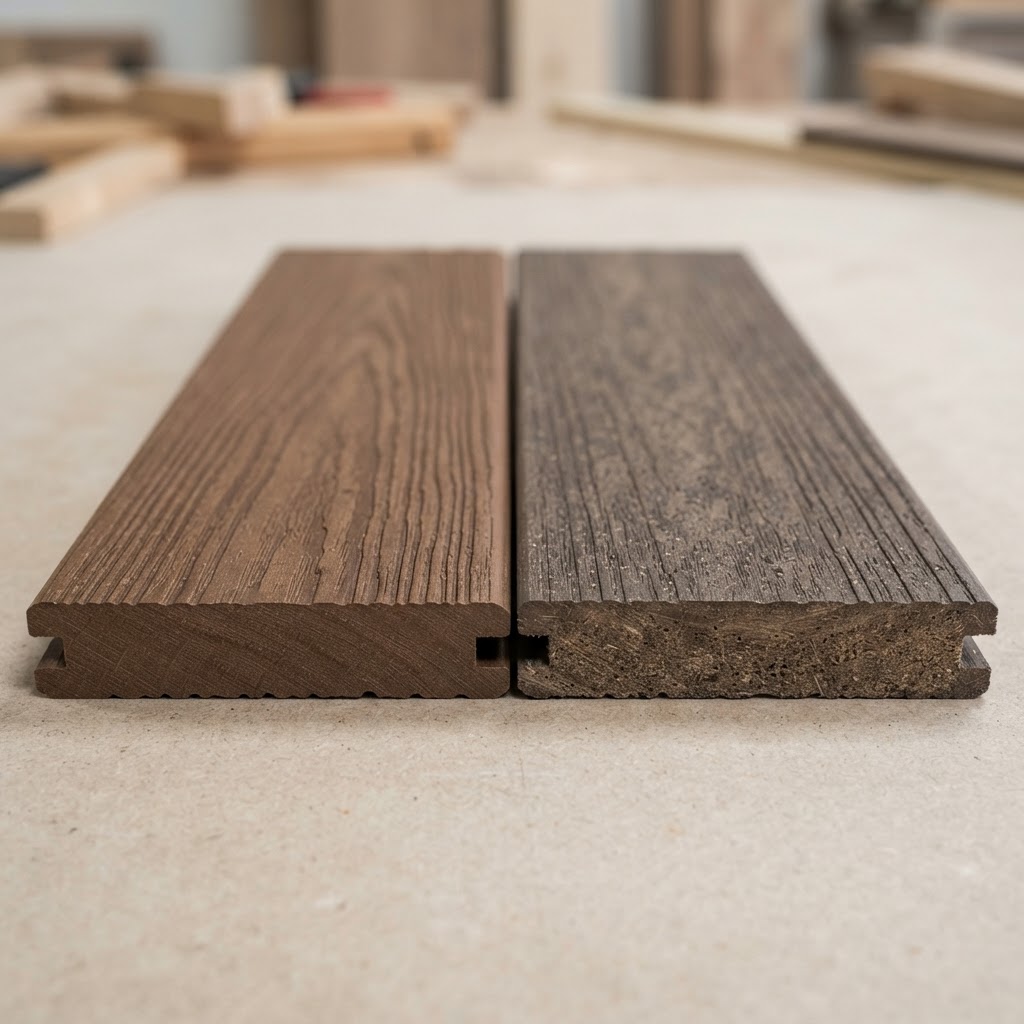
decking
PVC vs Composite Decking: What's the Difference? (2026)
PVC is 100% synthetic plastic, while composite blends wood fibers with plastic. These differences affect price, performance, and feel underfoot.
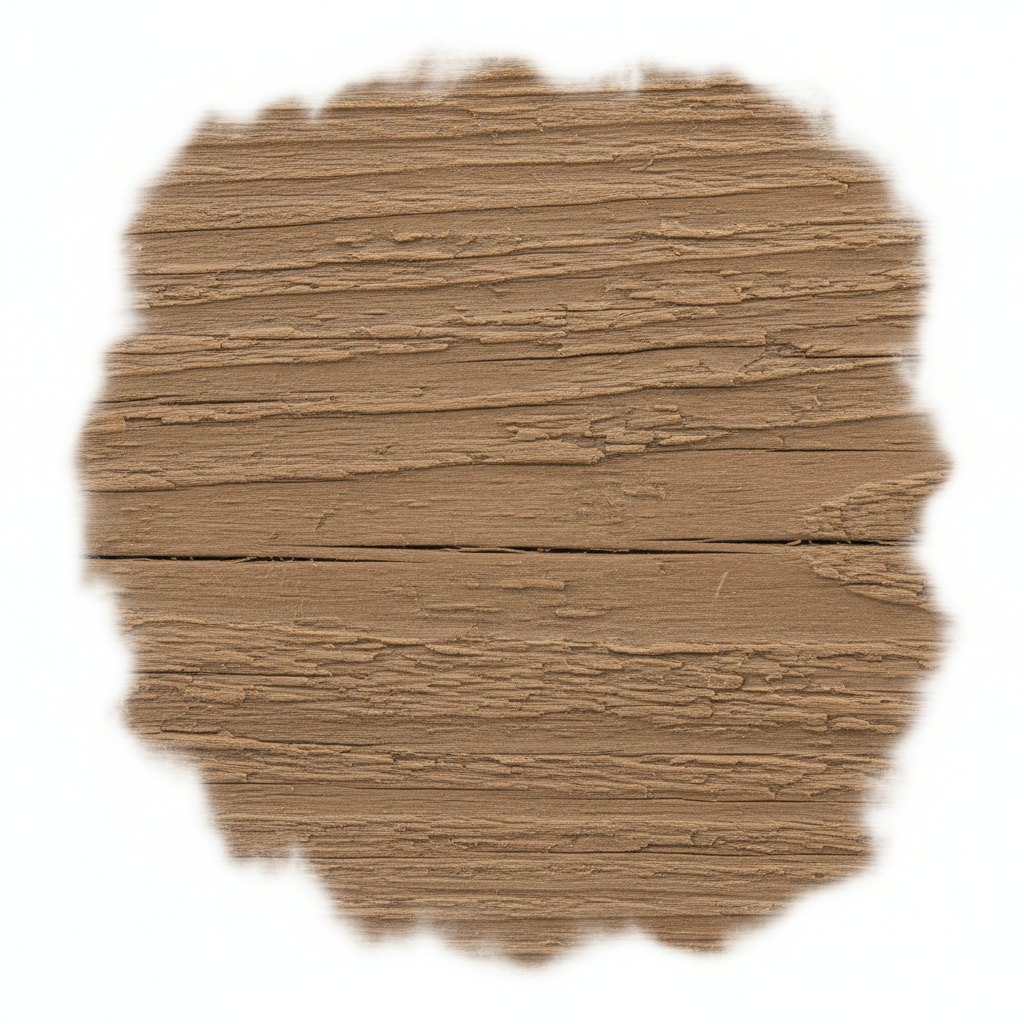
PVC Decking
vs
vs
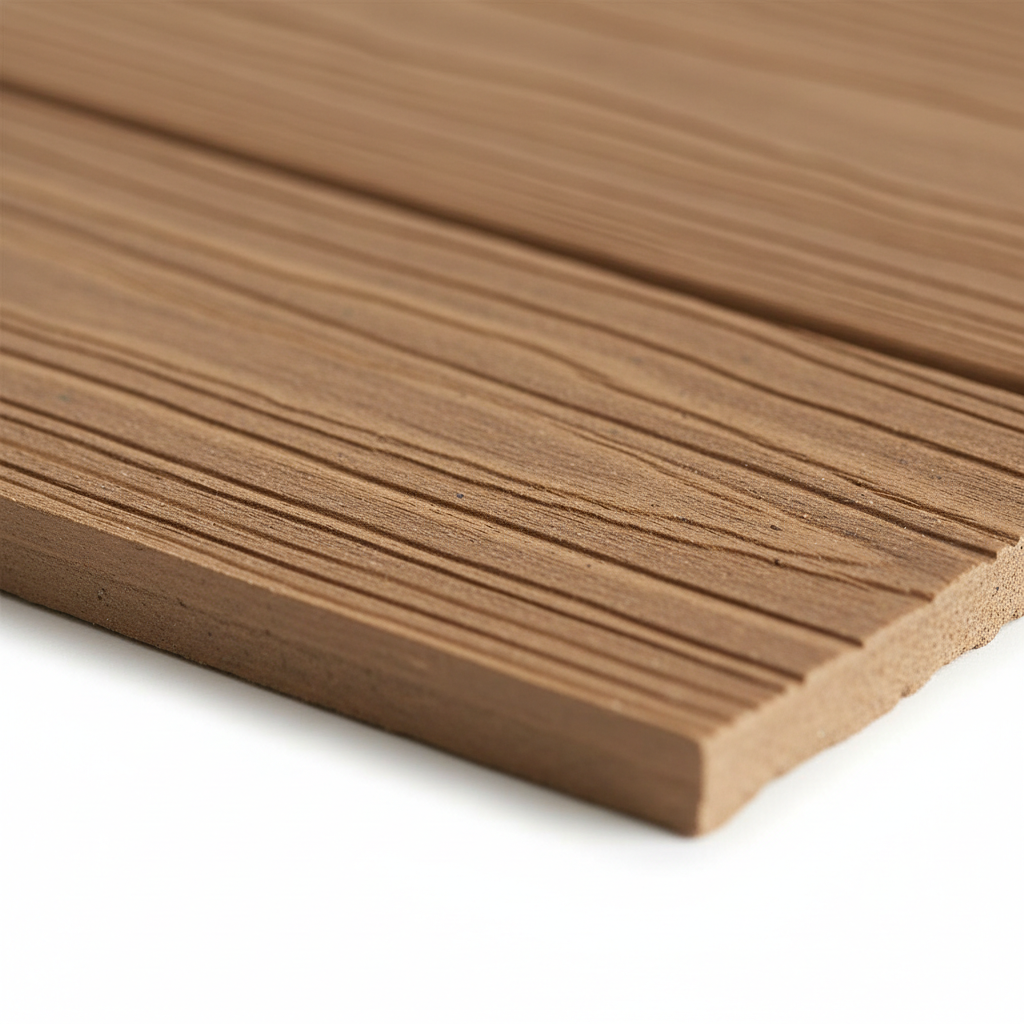
Composite Decking
Key Takeaways
- PVC is 100% synthetic plastic, while composite blends wood fibers with plastic.
- These differences affect price, performance, and feel underfoot.
- PVC excels in wet environments; composite offers better value and authentic appearance.
- Choose PVC for pool decks and waterfront.
- Choose composite for natural wood look at lower price.
| Property | PVC Decking | Composite Decking |
|---|---|---|
| Composition | 100% PVC | Wood+plastic |
| Cost/Sq Ft | $8-$14 | $5-$12 |
| Moisture | Excellent | Very Good |
PVC Decking
Pros
- Superior moisture and mold resistance, Lighter weight, Won't absorb water, Excellent for pool surrounds
Cons
- More expensive, Less wood-like feel, Temperature expansion/contraction, Fewer color options
Composite Decking
Pros
- More affordable, More natural wood look, Wide color range, Good structural rigidity
Cons
- Can absorb some moisture, Heavier boards, Slightly more mold prone in damp climates, May fade
Best Use Cases
Choose PVC for pool decks and waterfront. Choose composite for natural wood look at lower price.
Verdict
PVC excels in wet environments; composite offers better value and authentic appearance.
Frequently Asked Questions
PVC is better for moisture-heavy areas; composite is better where wood aesthetics matter.
PVC retains less heat than darker composite boards.
Composite uses recycled wood fibers; PVC is petroleum-based.
Related Comparisons
decking
Cedar vs Pine
Cedar vs pine for outdoor projects compared on rot resistance, cost, durability, and maintenance. Le
Read guidedecking
Cedar vs Composite
Cedar vs composite decking compared on cost, maintenance, lifespan, and appearance. Find the best de
Read guidedecking
Cedar vs Cypress
Comparing cedar and cypress for decking. Learn about rot resistance, cost, durability, and appearanc
Read guide