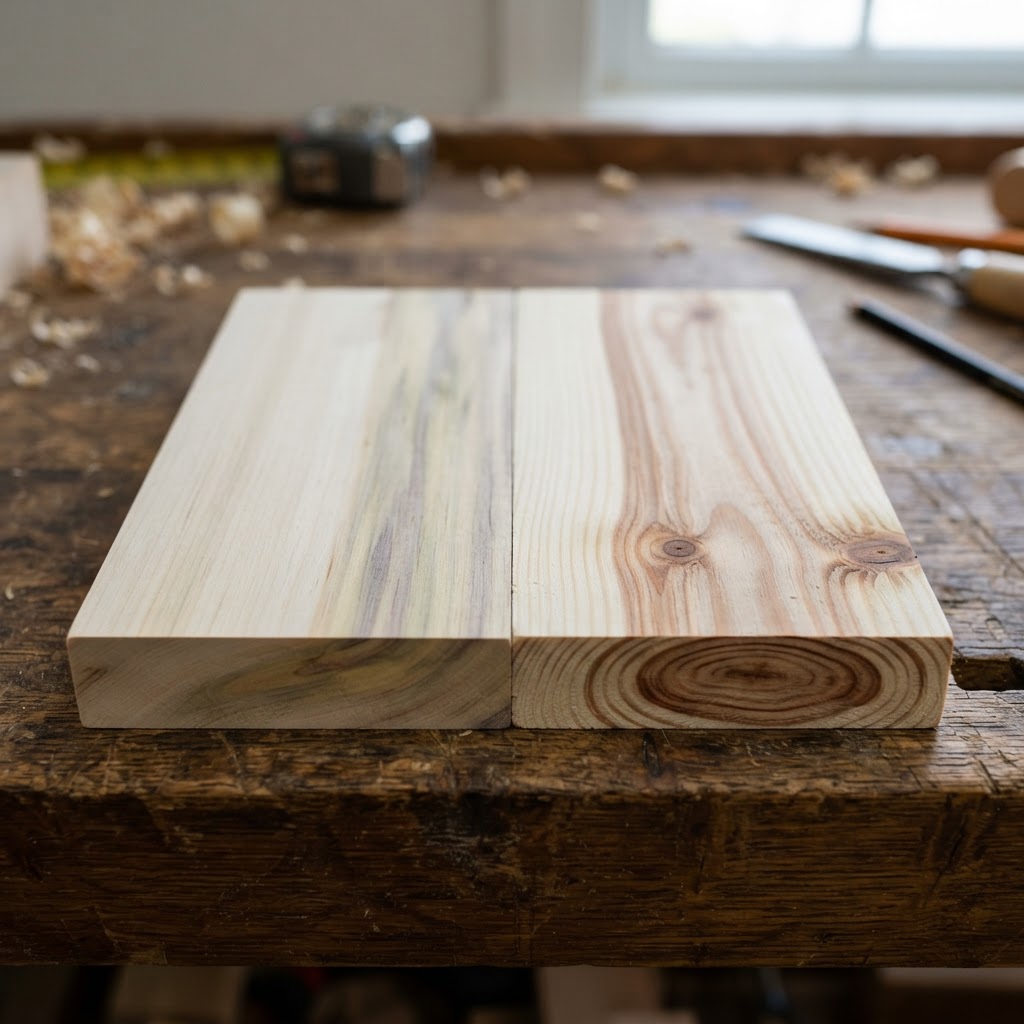
Poplar vs Pine: Affordable Utility Woods Compared (2026)
Poplar and pine are among the most affordable and accessible woods at any lumber yard. Poplar is technically a hardwood (though a soft one), while pine is a true softwood. Both serve as utility woods for a wide range of projects, but they have important differences in performance and appearance.
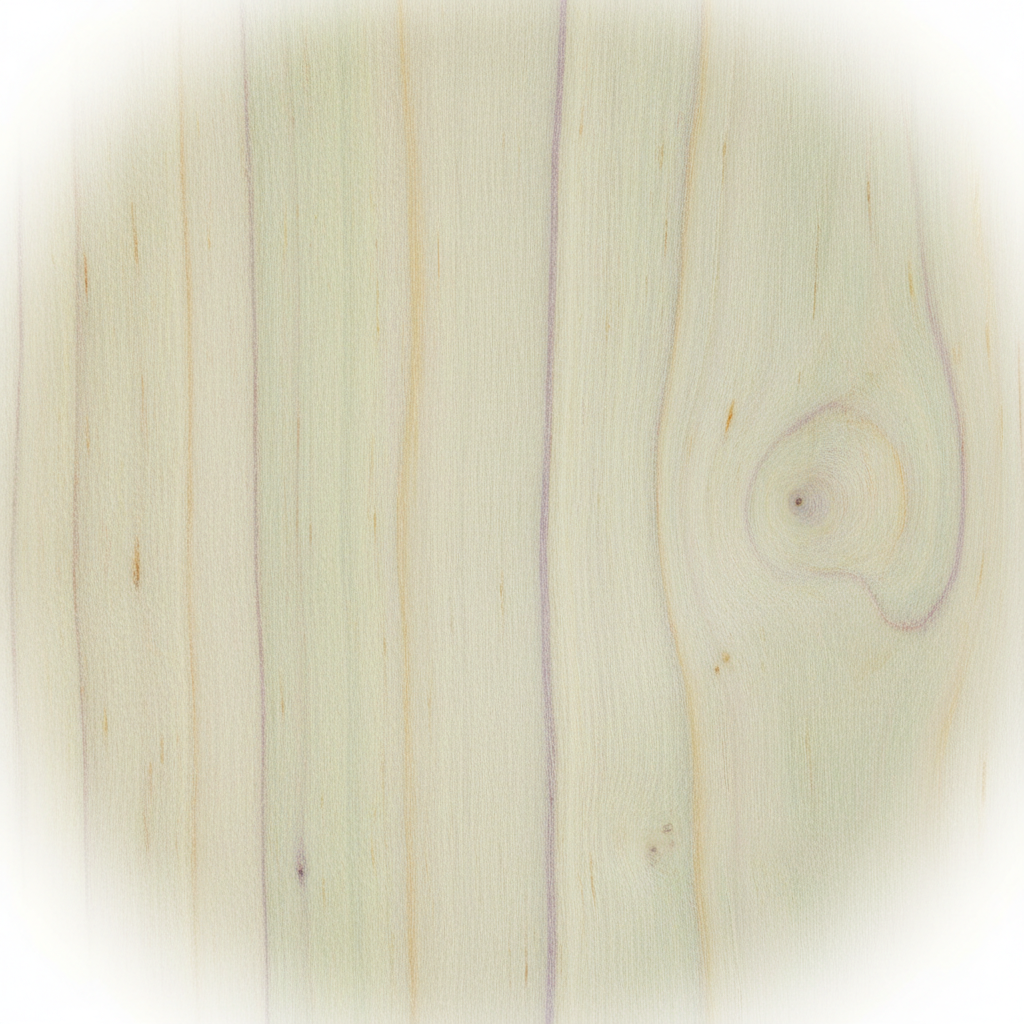
Poplar
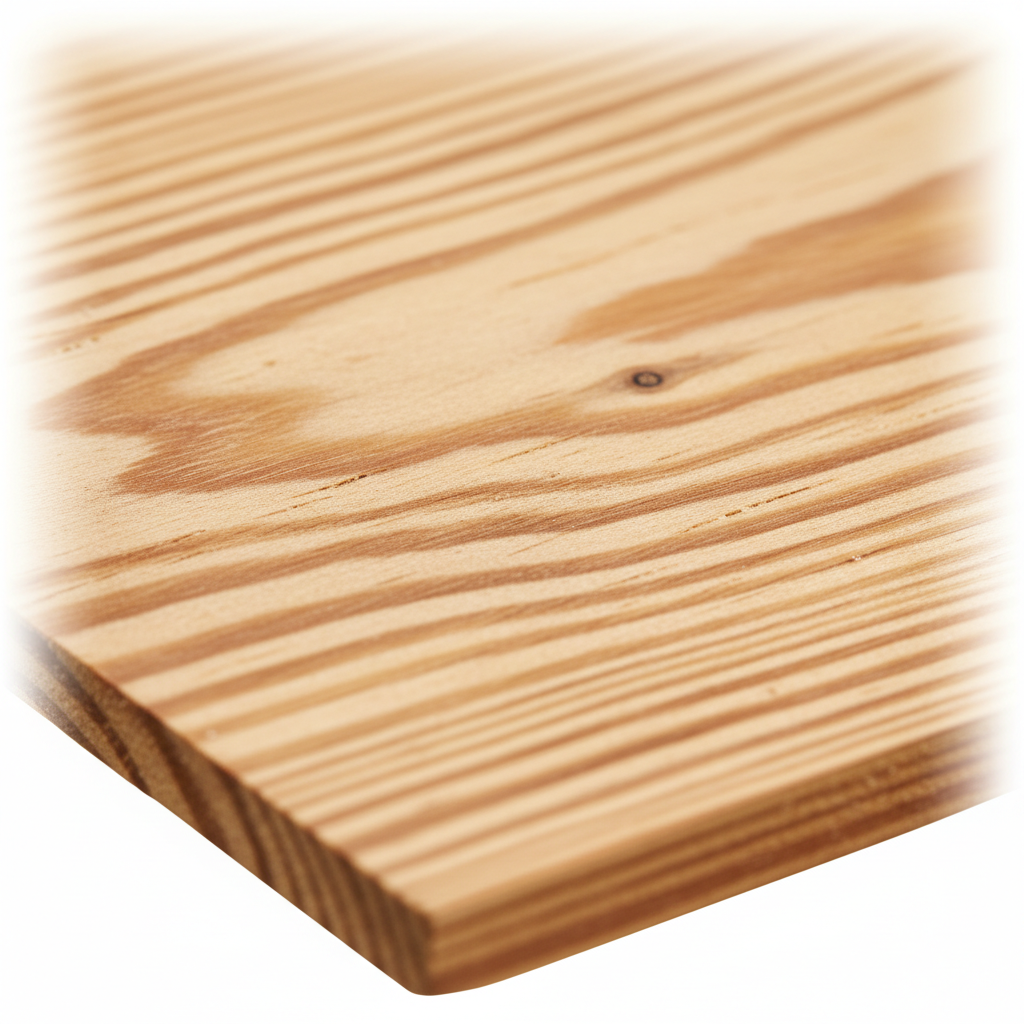
Pine
Key Takeaways
- Poplar and pine are among the most affordable and accessible woods at any lumber yard.
- Poplar is technically a hardwood (though a soft one), while pine is a true softwood.
- Both serve as utility woods for a wide range of projects, but they have important differences in performance and appearance.
- Poplar is the better choice for painted finished projects due to its smooth grain and better paint adhesion.
- Pine wins on price and rustic character, and is the only option of the two suitable for structural and outdoor applications.
| Property | Poplar | Pine |
|---|---|---|
| Hardness Janka | 540 | 380 |
| Density Lbft3 | 29 | 25 |
| Price Range | $2.50-$4.00/bf | $1.50-$3.00/bf |
| Durability Class | Interior use only | Interior (or treated for exterior) |
| Color | Creamy white with green/purple streaks | Light yellow with knots |
Poplar
Pros
- Harder than pine — better surface durability
- Takes paint exceptionally well
- Close, even grain for smooth finishes
- Good for trim and molding
Cons
- Green/purple streaks require paint or opaque finish
- Not suitable for outdoor use
- Softer than true hardwoods
Pine
Pros
- Lowest cost lumber widely available
- Knotty character appeals to rustic designs
- Can be pressure-treated for outdoor use
- Widely available in structural grades
Cons
- Very soft — dents and scratches easily
- Knots can bleed through paint
- Sap pockets can cause finishing issues
Best Use Cases
Choose poplar for painted trim, molding, and furniture where a smooth, knot-free surface matters. Choose pine for budget structural work, rustic projects that celebrate knots, and outdoor use when pressure-treated.
Verdict
Poplar is the better choice for painted finished projects due to its smooth grain and better paint adhesion. Pine wins on price and rustic character, and is the only option of the two suitable for structural and outdoor applications.
Frequently Asked Questions
Related Comparisons
Cedar vs Pine
Cedar vs pine for outdoor projects compared on rot resistance, cost, durability, and maintenance. Le
Read guideCedar vs Pine
Compare cedar and pine fencing for durability, cost, maintenance, and lifespan. Learn which wood mak
Read guideCedar vs Pine
Cedar vs Pine for ceiling planks — compare appearance, aroma, cost, and durability. Choose the best
Read guide