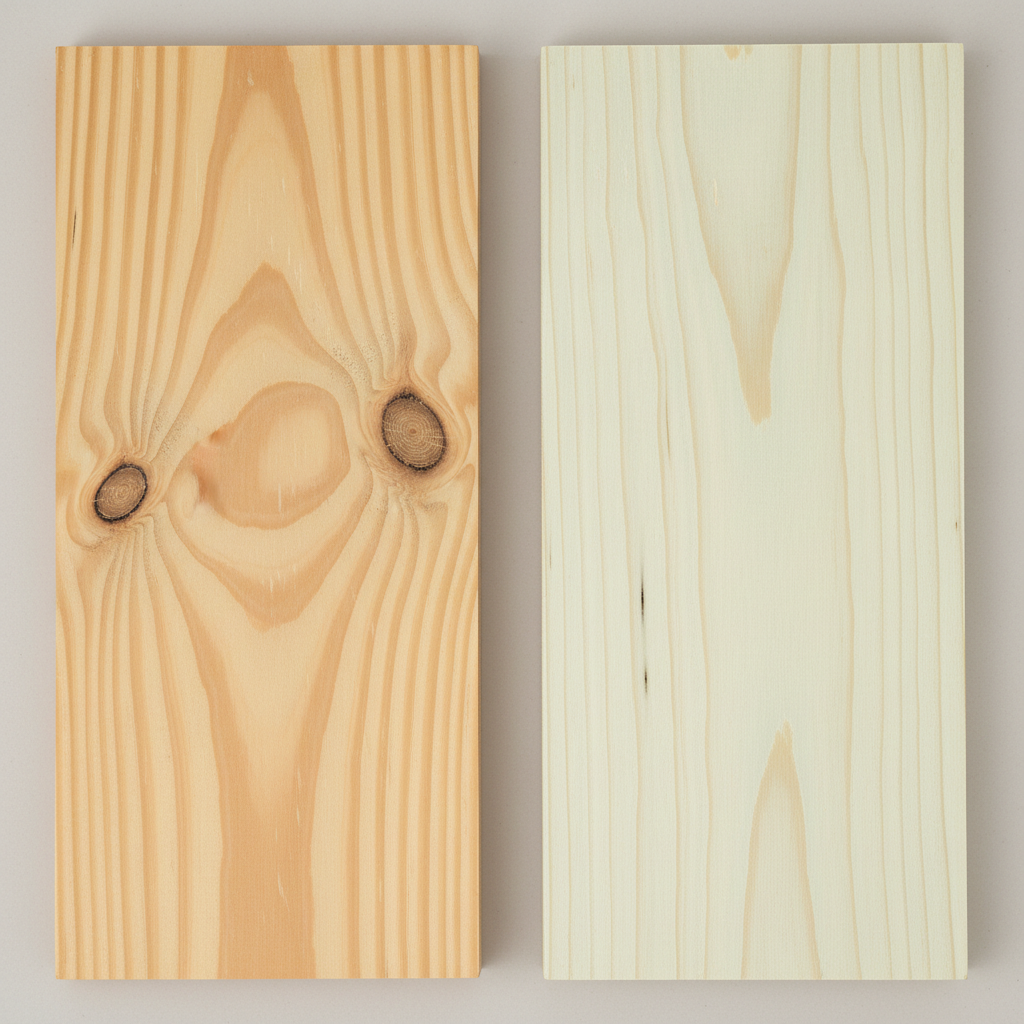
Pine vs Poplar for Interior Trim: 2026 Complete Comparison (2026)
When selecting wood for painted interior trim, Pine and Poplar are the two most common choices. Both are affordable and widely available, but they differ in hardness, paintability, and grain character. This comparison helps carpenters and homeowners choose the right trim wood for baseboards, door casings, window trim, and crown molding.
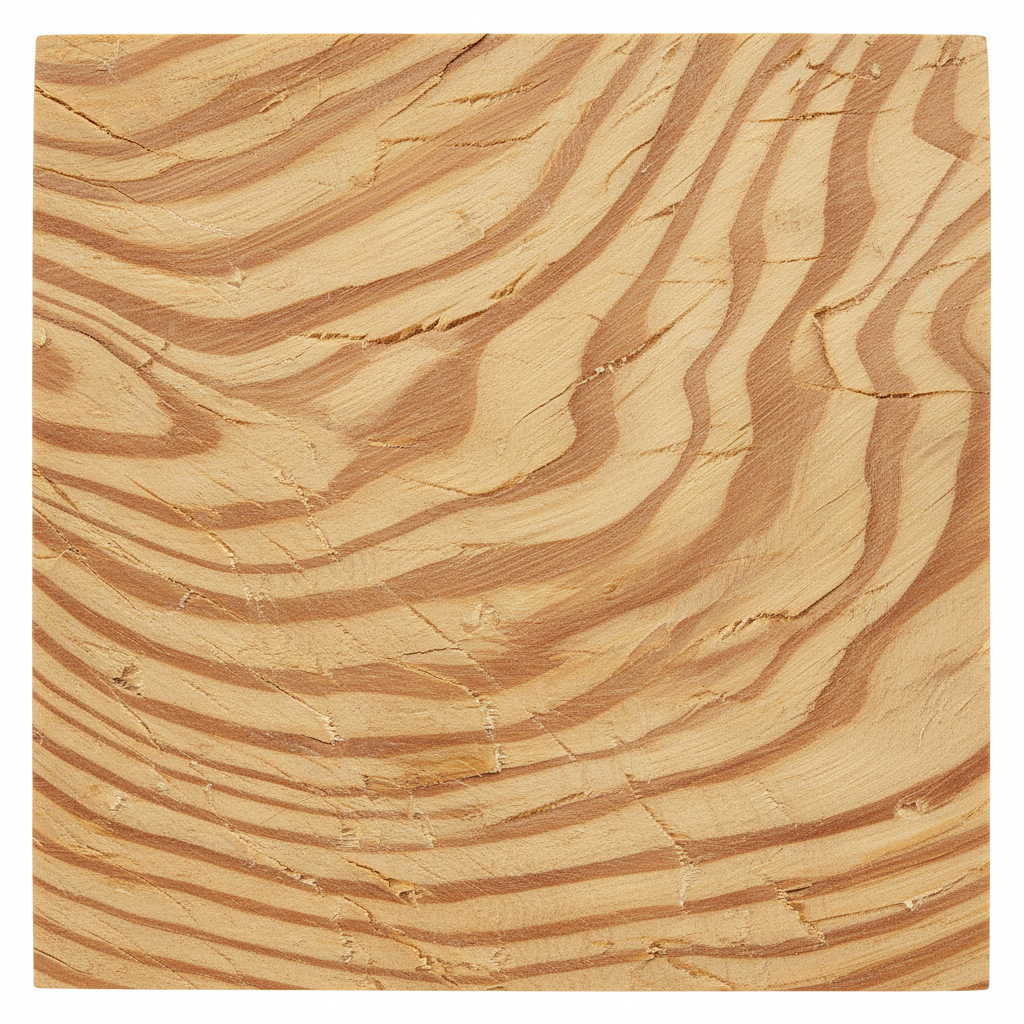
Pine
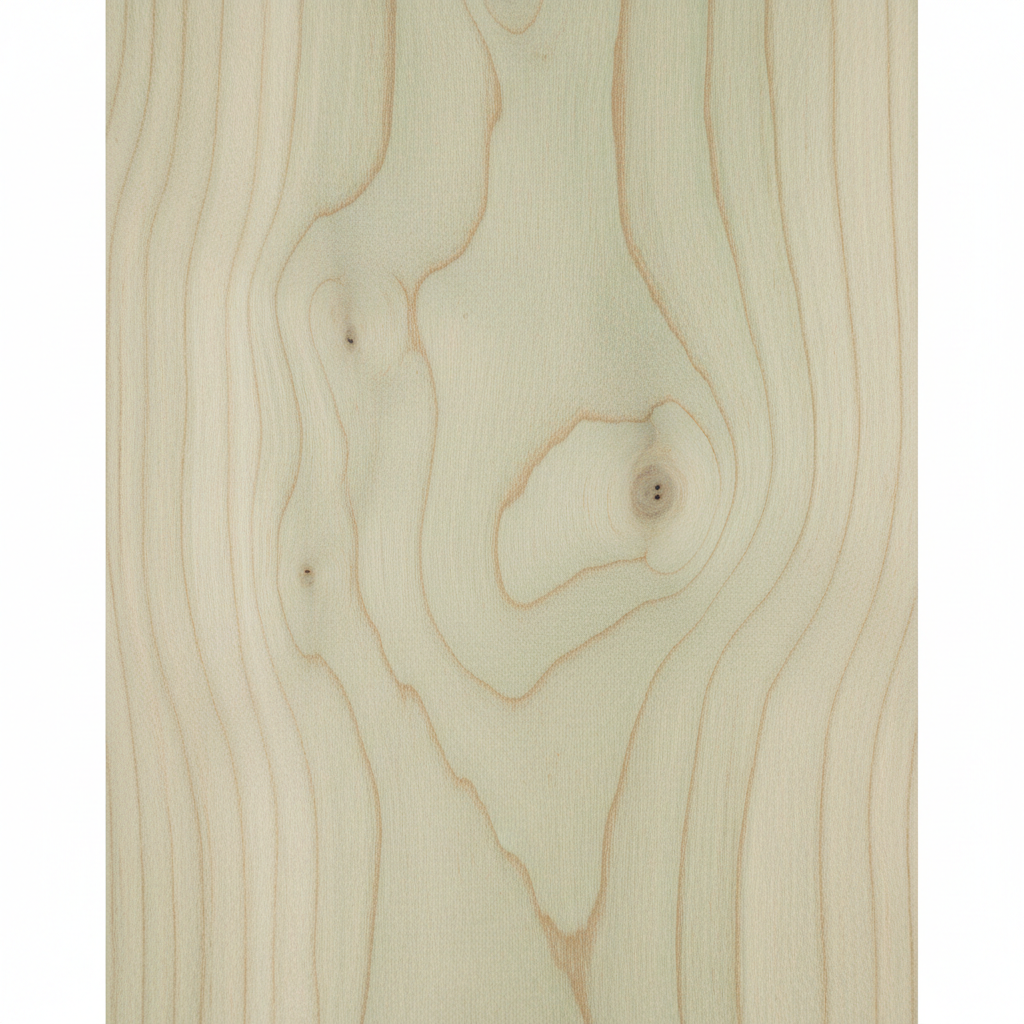
Poplar
Key Takeaways
- When selecting wood for painted interior trim, Pine and Poplar are the two most common choices.
- Both are affordable and widely available, but they differ in hardness, paintability, and grain character.
- This comparison helps carpenters and homeowners choose the right trim wood for baseboards, door casings, window trim, and crown molding.
- For painted trim, Poplar is the superior choice — it paints more smoothly, does not have knots that bleed through, and resists dents better.
- Pine wins on budget and is fine for less visible areas or when using pre-primed finger-jointed stock.
| Property | Pine | Poplar |
|---|---|---|
| Hardness (Janka) | 380–690 lbf (varies) | 540 lbf |
| Paintability | Good — knots can bleed | Excellent — smooth, even coverage |
| Grain | Prominent with knots | Subtle, fine, uniform |
| Avg Cost (LF, 1x4) | $0.80–1.50 | $1.20–2.00 |
| Dent Resistance | Low — soft | Moderate — slightly harder |
| Nail Holding | Good | Good |
Pine
Pros
- Most affordable trim wood option. Extremely easy to cut, nail, and work. Widely available in every profile and dimension. Stains well for natural wood trim look.
Cons
- Knots bleed through paint without primer-sealer. Soft — dents easily in high-traffic areas. Grain shows through paint if not properly prepared. Resinous — can cause adhesion issues.
Poplar
Pros
- Paints beautifully with smooth, even coverage. No knots or resin to bleed through. Harder than Pine — better dent resistance. Clean grain takes primer without special preparation.
Cons
- More expensive per foot than Pine. Not attractive for clear-finish natural wood trim. Greenish cast if left unfinished. Less available in pre-milled trim profiles.
Best Use Cases
Choose Pine for budget trim projects, natural-finish applications, or when using finger-jointed primed stock for painted trim. Choose Poplar when paint quality is paramount — especially for baseboards, casings, and crown in high-visibility rooms where a flawless painted finish matters.
Verdict
For painted trim, Poplar is the superior choice — it paints more smoothly, does not have knots that bleed through, and resists dents better. Pine wins on budget and is fine for less visible areas or when using pre-primed finger-jointed stock. For clear-finished trim, Pine is the obvious choice as Poplar's greenish color is unattractive.