Pine vs Plywood for Bookshelves: 2026 Complete Comparison (2026)
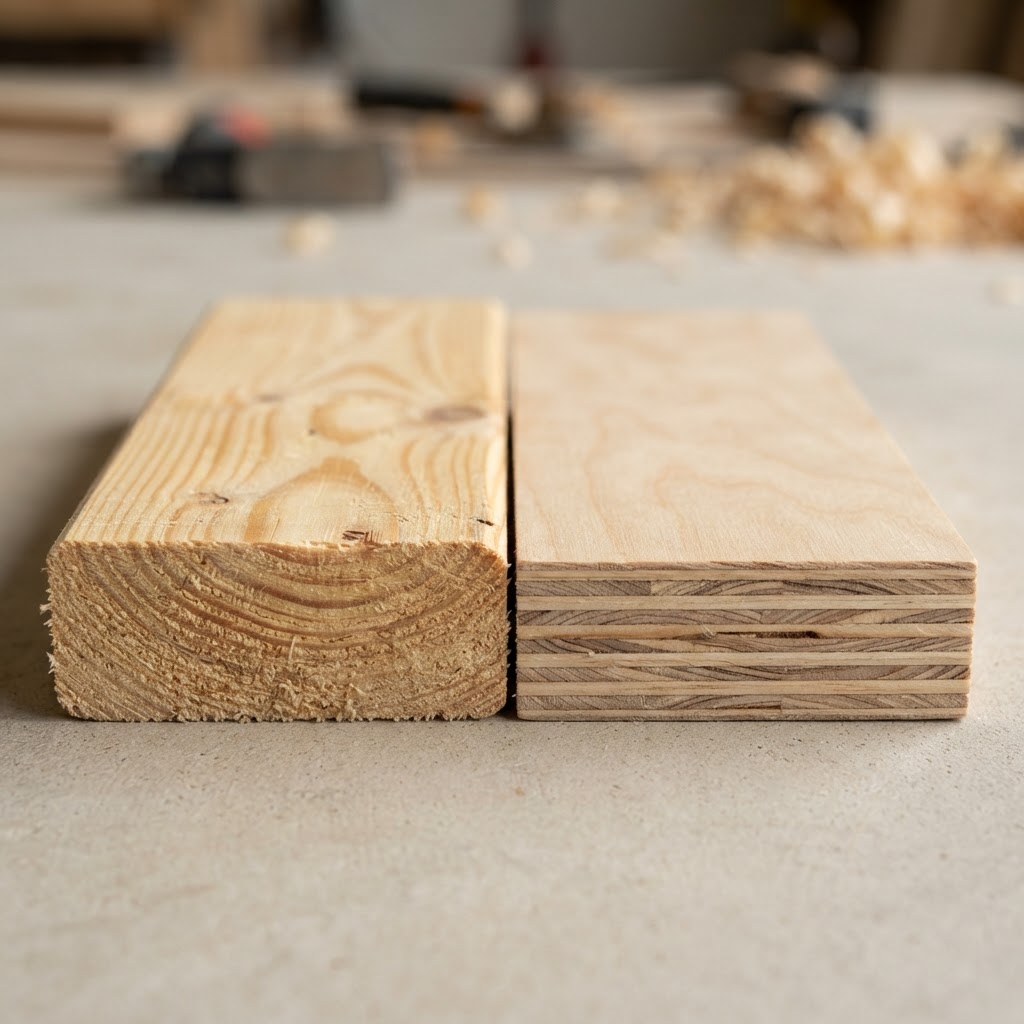
Building bookshelves requires a material that resists sagging under heavy loads while looking good in your living space. Solid Pine boards and plywood sheets each have loyal followings among DIY builders. Pine offers warmth and simplicity, while plywood provides superior engineering. This comparison covers strength, cost, and aesthetics to help you build shelves that last.
Pine
Plywood
Key Takeaways
- Building bookshelves requires a material that resists sagging under heavy loads while looking good in your living space.
- Solid Pine boards and plywood sheets each have loyal followings among DIY builders.
- Pine offers warmth and simplicity, while plywood provides superior engineering.
- Plywood is the better choice for bookshelves that need to hold heavy loads without sagging — it stays flatter, resists bowing, and can be cut to any width.
- Pine is fine for lighter-duty shelving, display shelves, or rustic projects where some character adds to the look.
| Property | Pine | Plywood |
|---|---|---|
| Sag Resistance (36 In Span) | Moderate — 3/4 in sags with heavy books | Good — more stable over spans |
| Avg Cost (Per Shelf) | $8–15 (1x10 board) | $10–20 (3/4 in cut) |
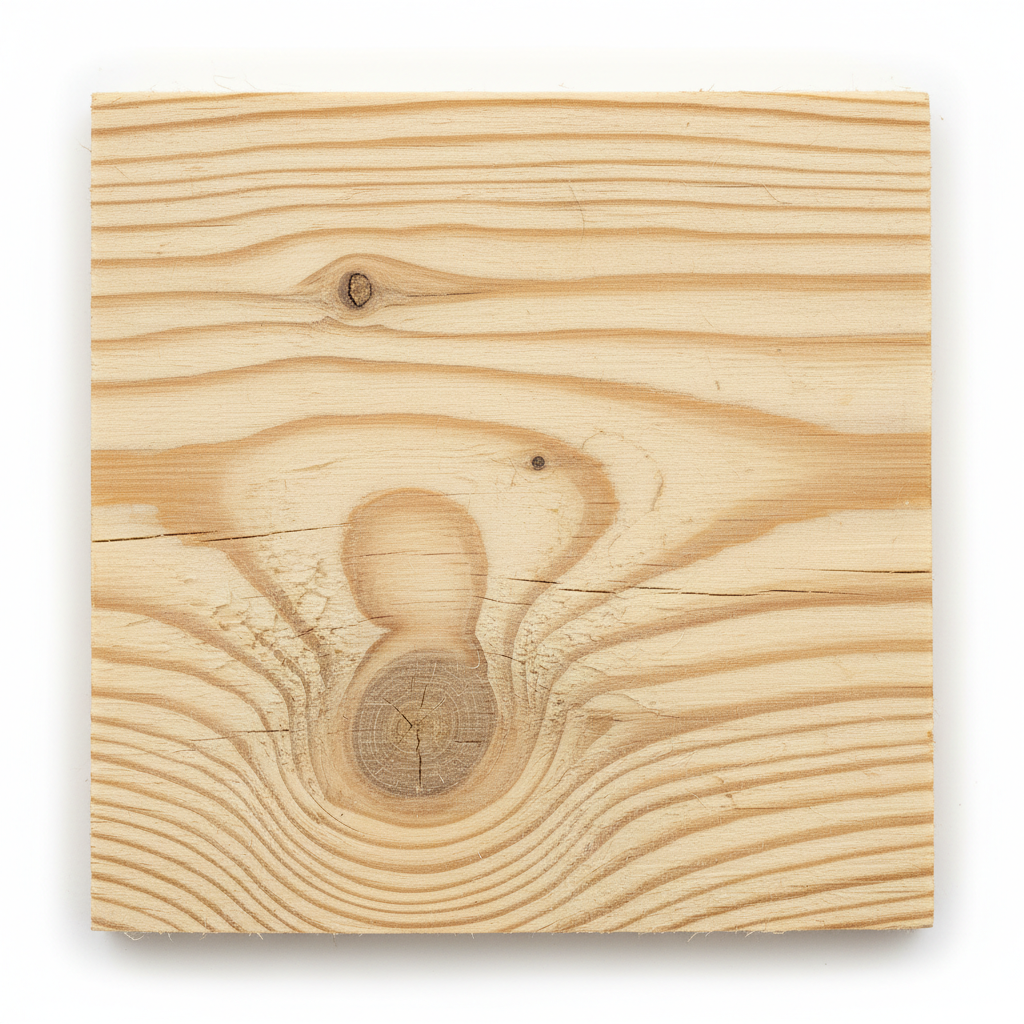
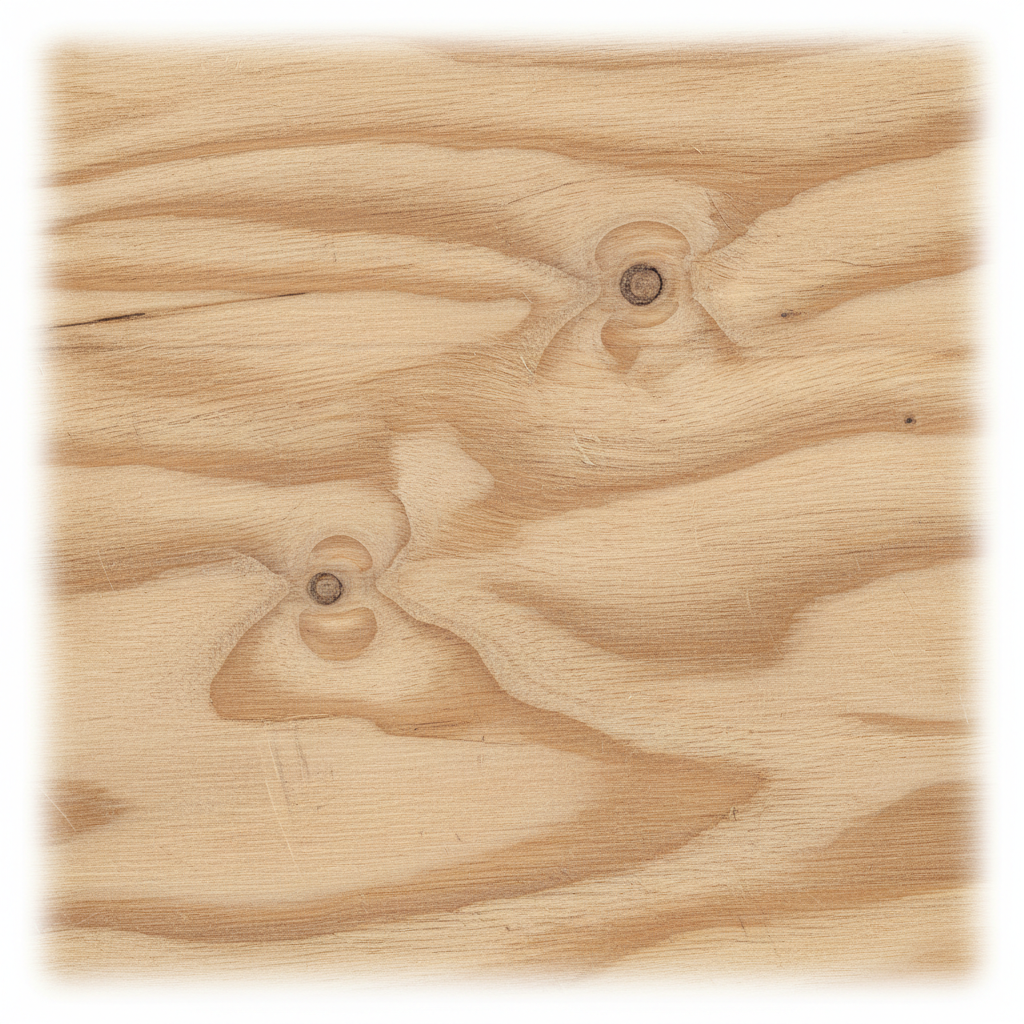
| Appearance | Natural wood with knots | Clean edges need banding |
| Flatness | Can warp and cup | Very flat and stable |
| Workability | Easy — standard tools | Easy — standard tools |
| Max Unsupported Span | 30–36 in | 32–42 in |
Pine
Pros
- Natural wood appearance without edge banding. Very easy to work with basic tools. Available at every hardware store. Takes stain and clear finish beautifully.
Cons
- Prone to warping and cupping over time. Sags under heavy loads on longer spans. Knots can weaken the board. Limited to standard board widths.
Plywood
Pros
- Dimensionally stable — stays flat. Better sag resistance than solid Pine. Available in any width you need. Baltic Birch edges look good without banding.
Cons
- Exposed plywood edges need banding on most types. Slightly more expensive per shelf. Harder to achieve a natural solid-wood look. Voids in cheaper grades can be unsightly.
Best Use Cases
Choose Pine for simple, rustic, or painted bookshelves where the natural wood look is desired and shelf spans are kept under 32 inches. Choose Plywood for long-span shelves holding heavy books, built-in bookcases, and any application where flatness and stability over time are critical.
Verdict
Plywood is the better choice for bookshelves that need to hold heavy loads without sagging — it stays flatter, resists bowing, and can be cut to any width. Pine is fine for lighter-duty shelving, display shelves, or rustic projects where some character adds to the look. For long spans with heavy books, plywood wins decisively.