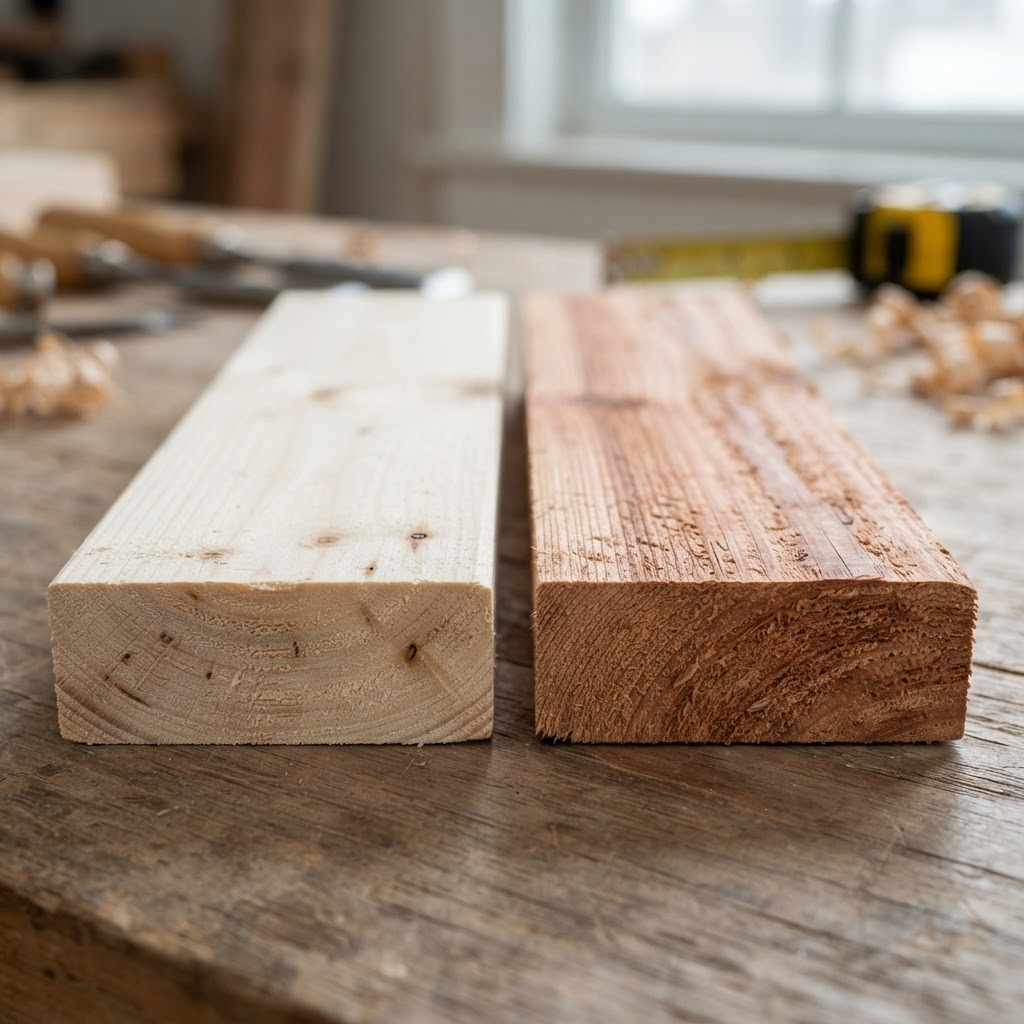
Pine vs Cedar Wood Shingles: 2026 Complete Comparison (2026)
Wood shingles add timeless character to roofs and siding, but the species choice dramatically affects longevity and maintenance. Cedar is the traditional standard with natural weather resistance, while Pine offers a budget alternative that requires more protection. This comparison helps you understand the trade-offs between cost savings and long-term durability.
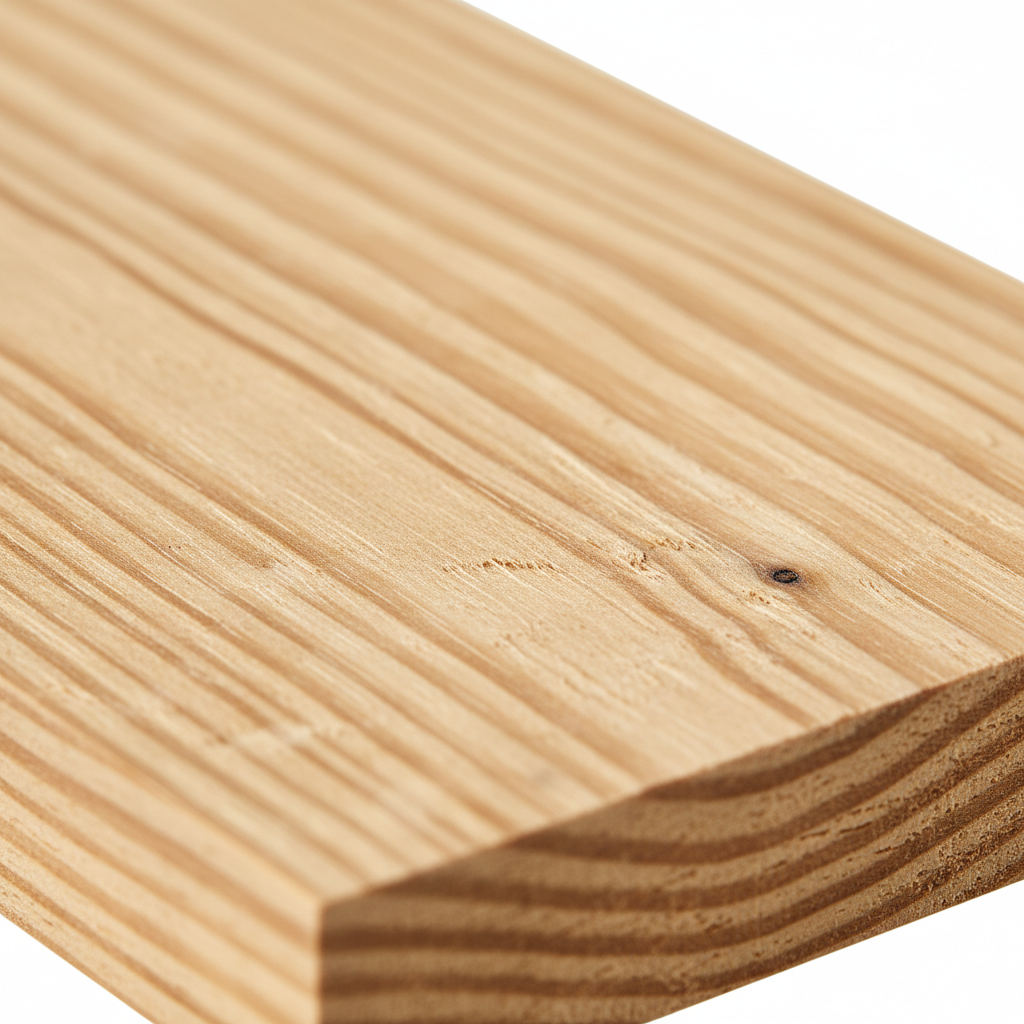
Pine
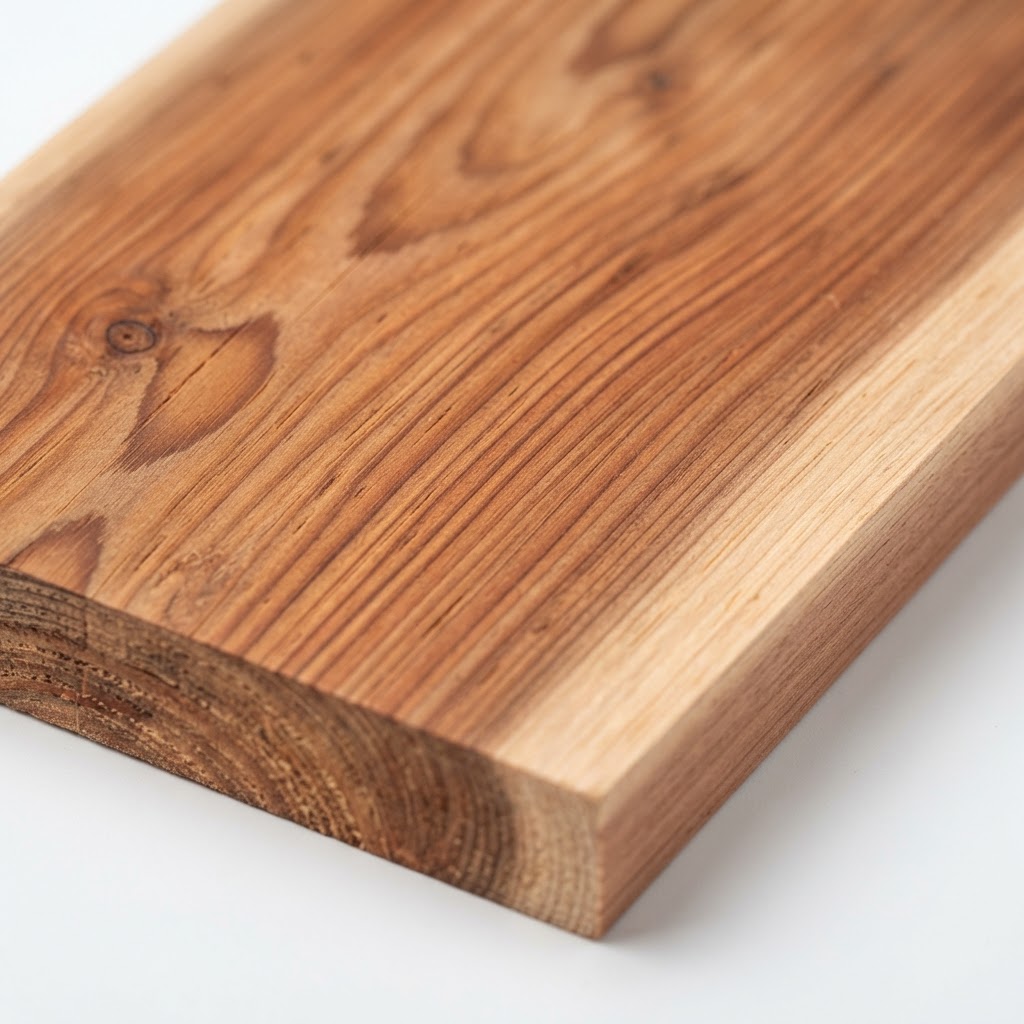
Cedar
Key Takeaways
- Wood shingles add timeless character to roofs and siding, but the species choice dramatically affects longevity and maintenance.
- Cedar is the traditional standard with natural weather resistance, while Pine offers a budget alternative that requires more protection.
- This comparison helps you understand the trade-offs between cost savings and long-term durability.
- Cedar is the clear winner for wood shingles in any weather-exposed application.
- Its natural decay resistance and dimensional stability make it the only practical choice for roofs and primary siding.
| Property | Pine | Cedar |
|---|---|---|
| Decay Resistance | Low — requires treatment | Excellent — natural oils |
| Weather Resistance | Low without treatment | Very good naturally |
| Lifespan (Roof) | 10–20 years treated | 30–50 years |
| Avg Cost (Per Square) | $150–250 | $350–600 |
| Dimensional Stability | Moderate — swells and cups | Excellent — minimal movement |
| Fire Rating | Class C without treatment | Class B/C (treatable to A) |
Pine
Pros
- Significantly cheaper per square than Cedar. Readily available at most lumberyards. Can be pressure-treated for improved decay resistance. Takes paint and solid stain well.
Cons
- Poor natural decay resistance — rots quickly untreated. Shorter lifespan even with treatment. Swells and cups more than Cedar in wet conditions. Requires more frequent maintenance.
Cedar
Pros
- Naturally decay and insect resistant. Excellent dimensional stability — lies flat through weather cycles. Proven 30-50 year lifespan. Weathers to attractive silver-gray naturally.
Cons
- Considerably more expensive upfront. Restricted in some fire-prone jurisdictions. Requires fire-retardant treatment in many areas. Premium grades are increasingly costly.
Best Use Cases
Choose Pine shingles for budget projects, accent walls, and decorative applications where weather exposure is limited. Choose Cedar for roof shingles, exterior siding, and any application demanding long-term weather resistance without constant maintenance.
Verdict
Cedar is the clear winner for wood shingles in any weather-exposed application. Its natural decay resistance and dimensional stability make it the only practical choice for roofs and primary siding. Pine shingles are appropriate only for protected decorative applications or when budget absolutely prevents Cedar use.