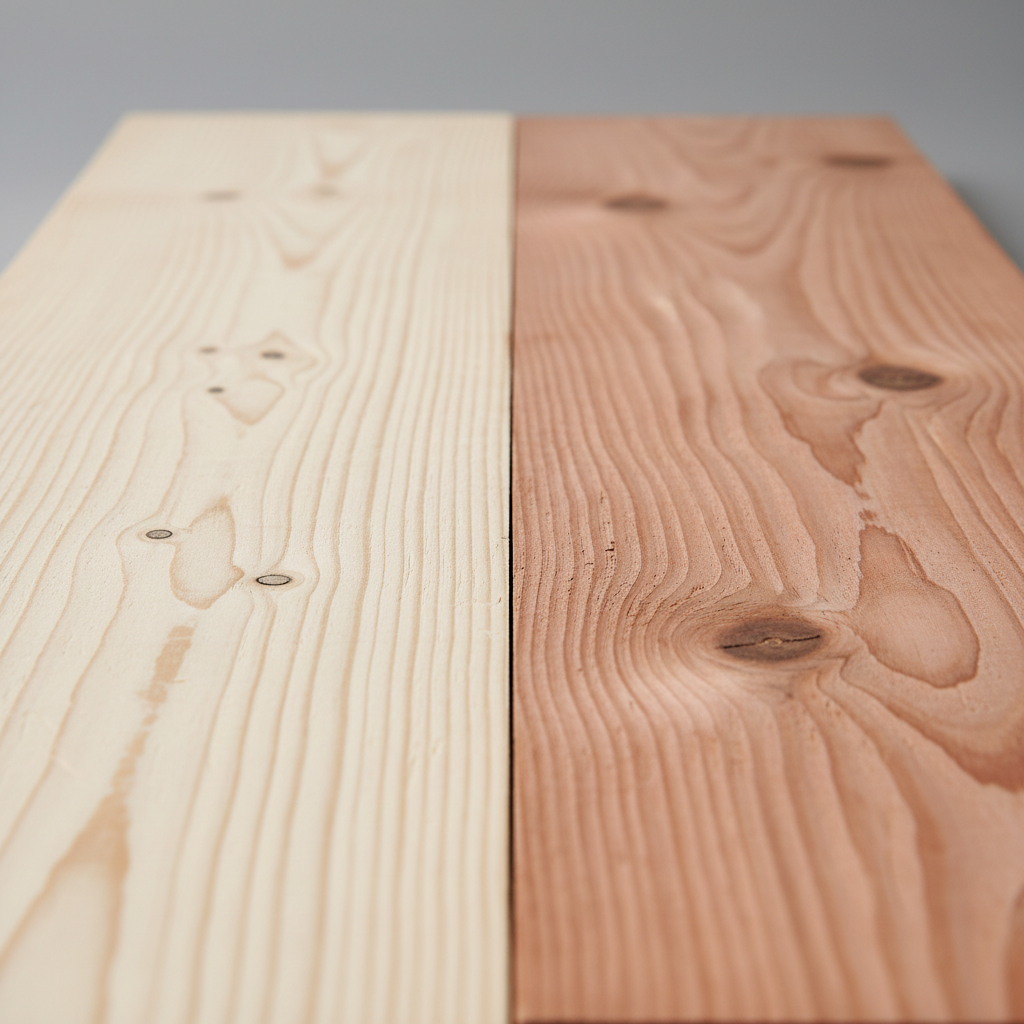
Pine vs Cedar: Budget Workhorse vs Natural Outdoor Wood (2026)
Pine and cedar are the two most common softwoods in residential construction, but they serve very different roles. Pine is the structural workhorse valued for strength and low cost, while cedar is the outdoor specialist prized for natural decay resistance and beauty. Choosing between them depends on application and budget.
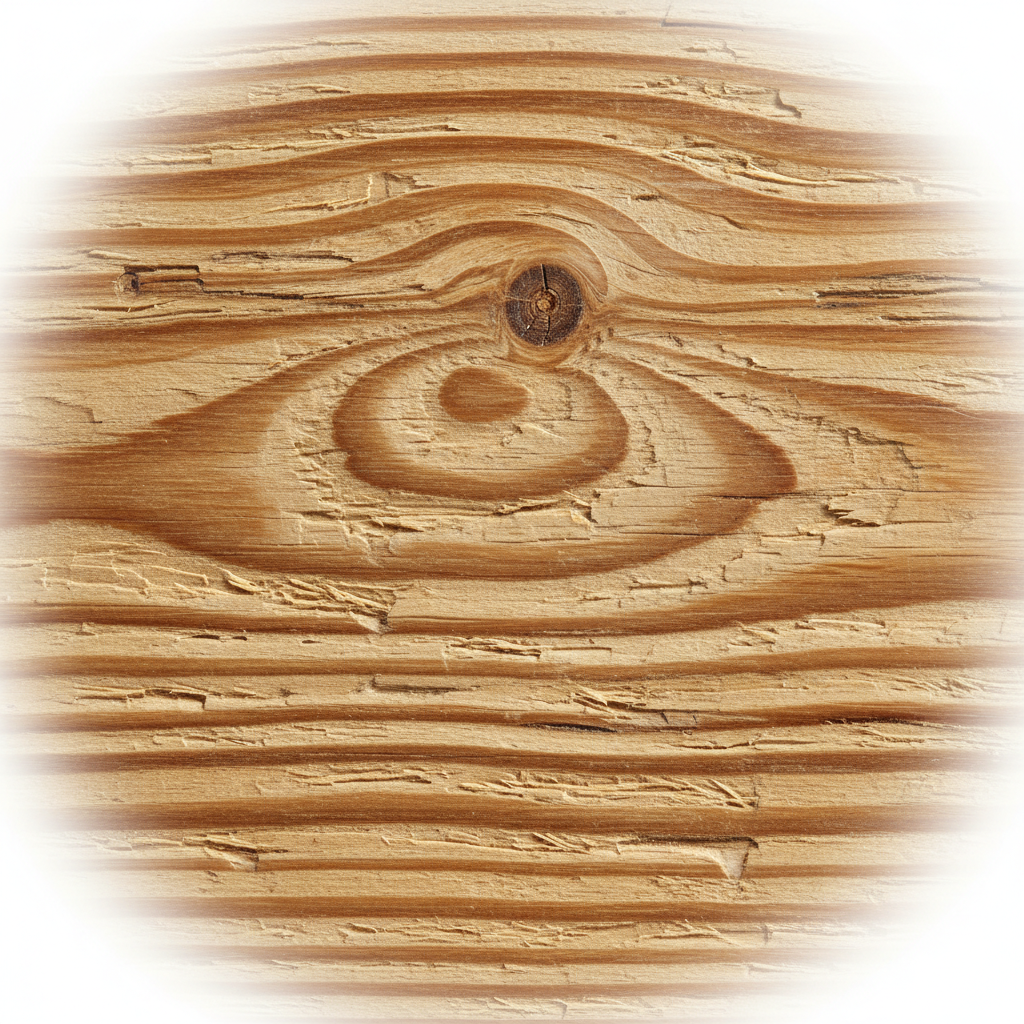
Pine
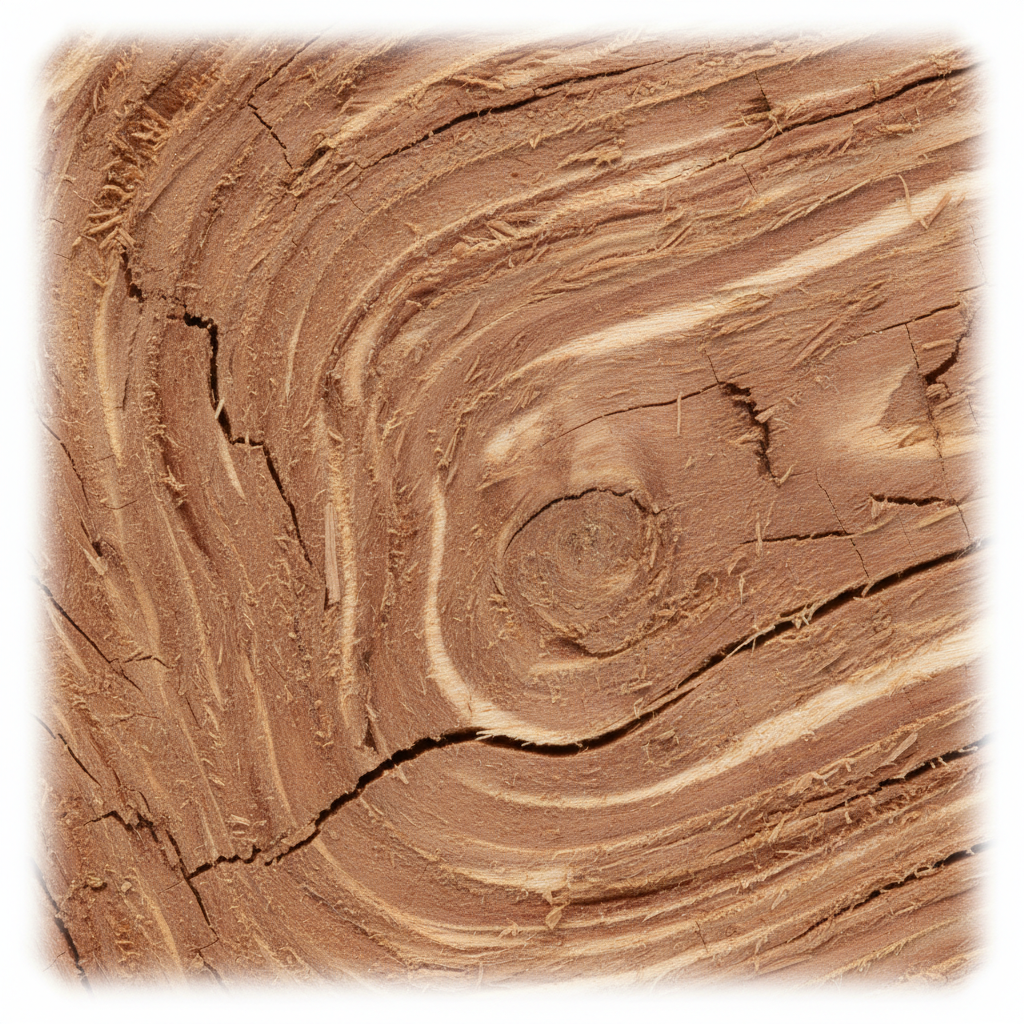
Cedar
Key Takeaways
- Pine and cedar are the two most common softwoods in residential construction, but they serve very different roles.
- Pine is the structural workhorse valued for strength and low cost, while cedar is the outdoor specialist prized for natural decay resistance and beauty.
- Choosing between them depends on application and budget.
- Pine is unbeatable for structural and budget applications.
- Cedar is the better choice for visible outdoor surfaces where natural beauty and chemical-free durability are priorities.
| Property | Pine | Cedar |
|---|---|---|
| Hardness Janka | 380 | 350 |
| Density Lbft3 | 25 | 23 |
| Price Range | $1.50-$3.00/bf | $2.50-$4.50/bf |
| Durability Class | Requires treatment for outdoor use | Naturally rot and insect resistant |
| Color | Light yellow with knots | Warm reddish-brown |
Pine
Pros
- Most affordable softwood option
- Available in structural grades
- Can be pressure-treated for outdoor use
- High strength-to-weight ratio
Cons
- No natural decay resistance
- Needs chemical treatment for outdoor use
- Prone to warping and twisting
Cedar
Pros
- Natural rot and insect resistance
- Beautiful warm color and scent
- Dimensionally stable
- Chemical-free outdoor performance
Cons
- Nearly twice the cost of pine
- Softer surface
- Best grades are increasingly expensive
Best Use Cases
Choose pine for framing, structural components, and budget projects where it can be treated for outdoor use. Choose cedar for visible outdoor surfaces like deck boards, fencing, and siding where natural beauty and decay resistance matter.
Verdict
Pine is unbeatable for structural and budget applications. Cedar is the better choice for visible outdoor surfaces where natural beauty and chemical-free durability are priorities.