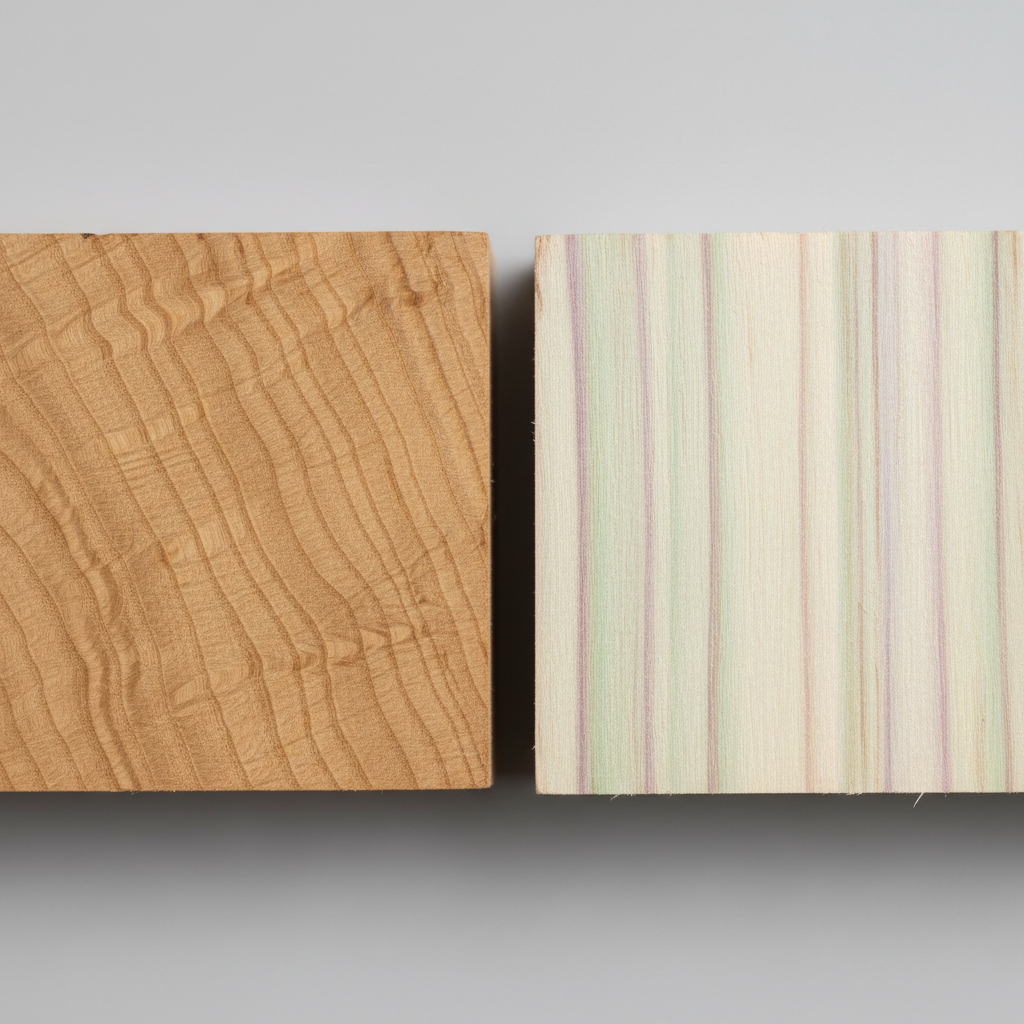
Oak vs Poplar for Baseboards: 2026 Complete Comparison (2026)
Baseboards take more abuse than any other trim in your home — kicked by shoes, hit by vacuum cleaners, and bumped by furniture. Oak and Poplar represent two strategies: Oak offers natural beauty and maximum durability, while Poplar provides an excellent paint-grade surface at a lower cost. This comparison helps you choose the right baseboard material for your rooms.
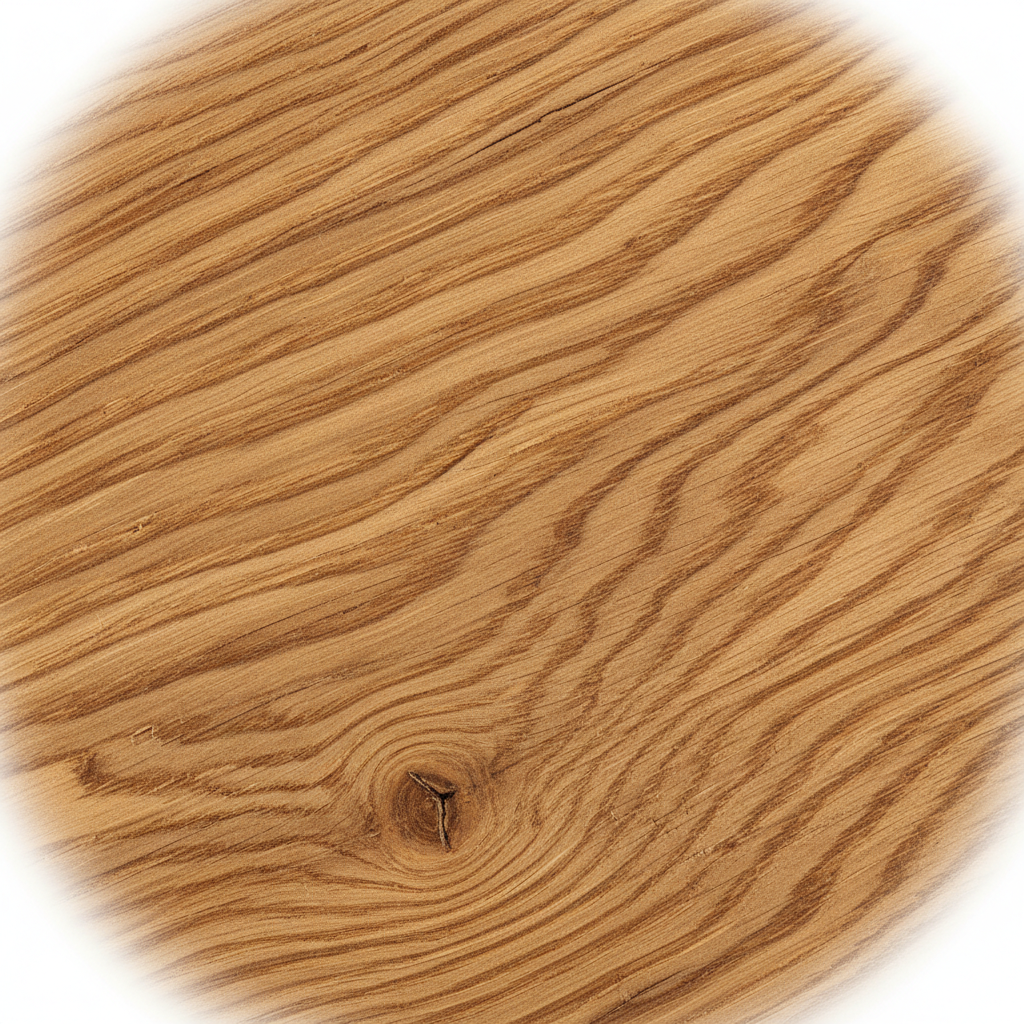
Oak
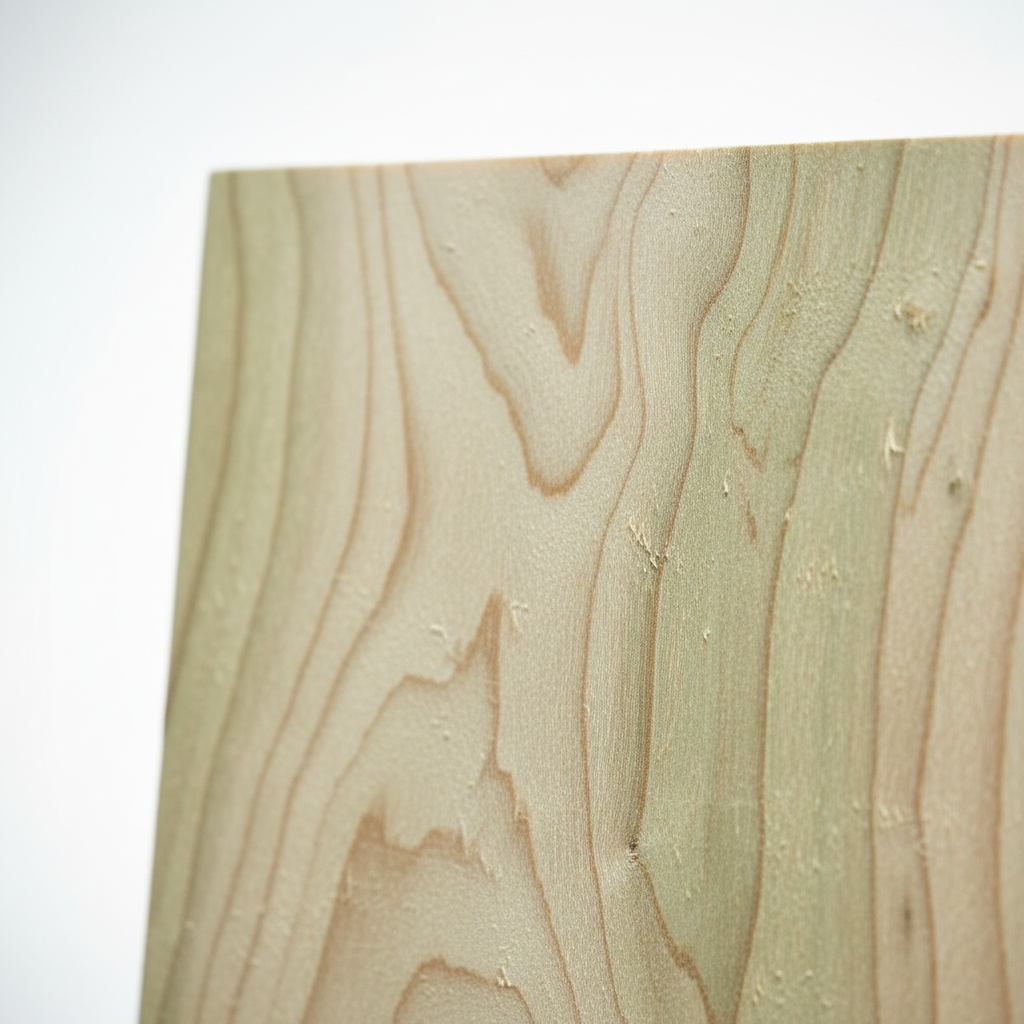
Poplar
Key Takeaways
- Baseboards take more abuse than any other trim in your home — kicked by shoes, hit by vacuum cleaners, and bumped by furniture.
- Oak and Poplar represent two strategies: Oak offers natural beauty and maximum durability, while Poplar provides an excellent paint-grade surface at a lower cost.
- This comparison helps you choose the right baseboard material for your rooms.
- If your baseboards will be painted, Poplar delivers a better-looking painted finish at a lower cost.
- If you want the beauty of stained natural wood or need maximum durability in high-traffic areas with kids and pets, Oak is worth the premium.
| Property | Oak | Poplar |
|---|---|---|
| Hardness (Janka) | 1290 lbf (Red Oak) | 540 lbf |
| Dent Resistance | Excellent | Moderate |
| Finish Options | Stain or paint | Paint only |
| Avg Cost (LF, 1x6) | $2.50–4.50 | $1.50–2.50 |
| Grain Character | Prominent, attractive | Subtle, uniform |
| Paintability | Good but grain shows | Excellent — smooth finish |
Oak
Pros
- Extremely durable — resists dents and impacts. Beautiful natural grain for stained applications. Adds perceived home value. Lasts indefinitely with refinishing.
Cons
- Expensive compared to paint-grade options. Open grain shows through paint unless filled. Heavy and harder to nail by hand. Difficult to work with for intricate profiles.
Poplar
Pros
- Smooth, even surface paints to a flawless finish. Significantly more affordable than Oak. Lighter and easier to handle during installation. Easy to cut, cope, and nail.
Cons
- Softer — more prone to denting and damage. Not suitable for stained or natural finishes. Requires touch-up paint more frequently in high-traffic areas. No visual grain character.
Best Use Cases
Choose Oak for stained natural-wood baseboards, high-traffic areas where durability is critical, and rooms where you want to showcase real wood character. Choose Poplar for painted baseboards throughout the home, especially bedrooms, formal rooms, and areas where smooth paint finish matters more than impact resistance.
Verdict
If your baseboards will be painted, Poplar delivers a better-looking painted finish at a lower cost. If you want the beauty of stained natural wood or need maximum durability in high-traffic areas with kids and pets, Oak is worth the premium. Many homes use Oak in main living areas and Poplar in bedrooms.