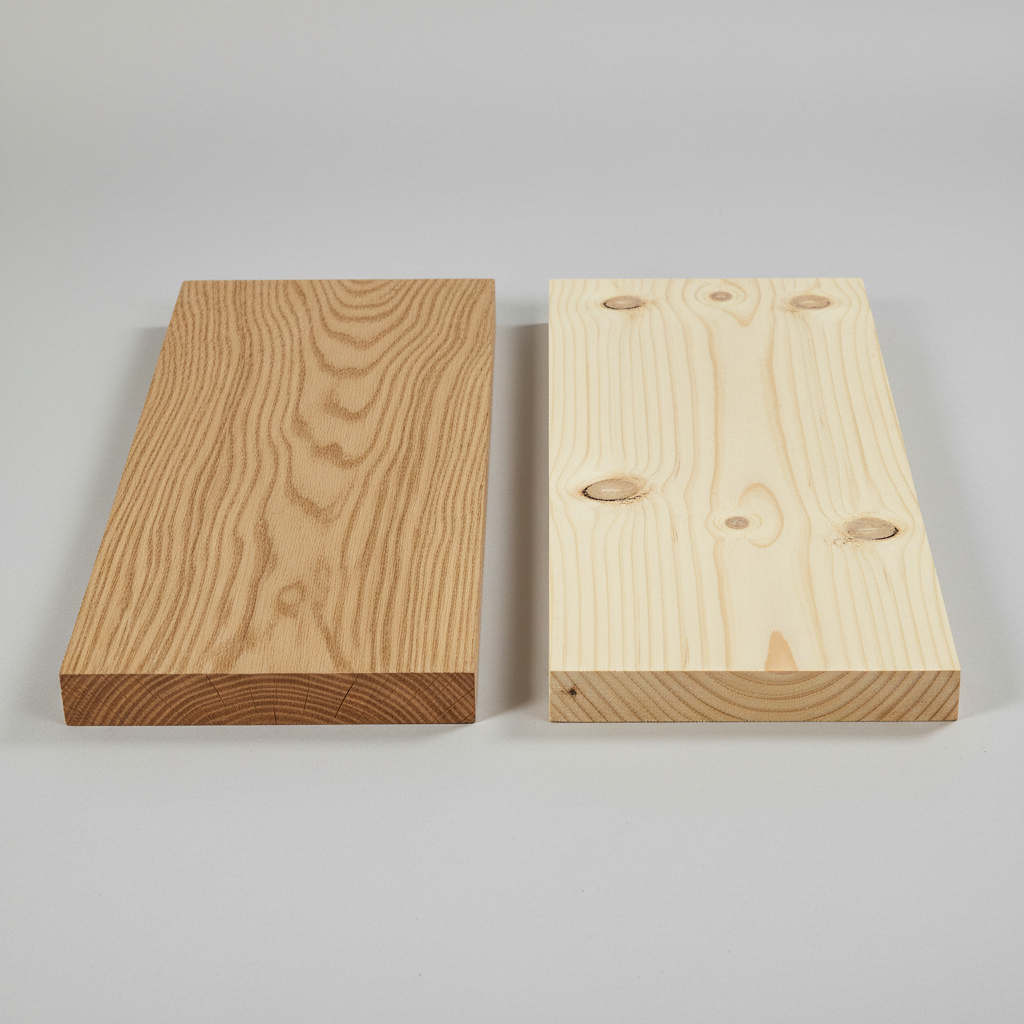
Oak vs Pine Floating Shelves: 2026 Complete Comparison (2026)
Floating shelves are one of the most popular home decor projects, and the wood species you choose affects both the look and the load capacity. Oak brings hardwood strength and beautiful grain, while Pine offers affordability and a lighter, more casual aesthetic. This comparison covers everything you need to choose the right wood for your floating shelf project.
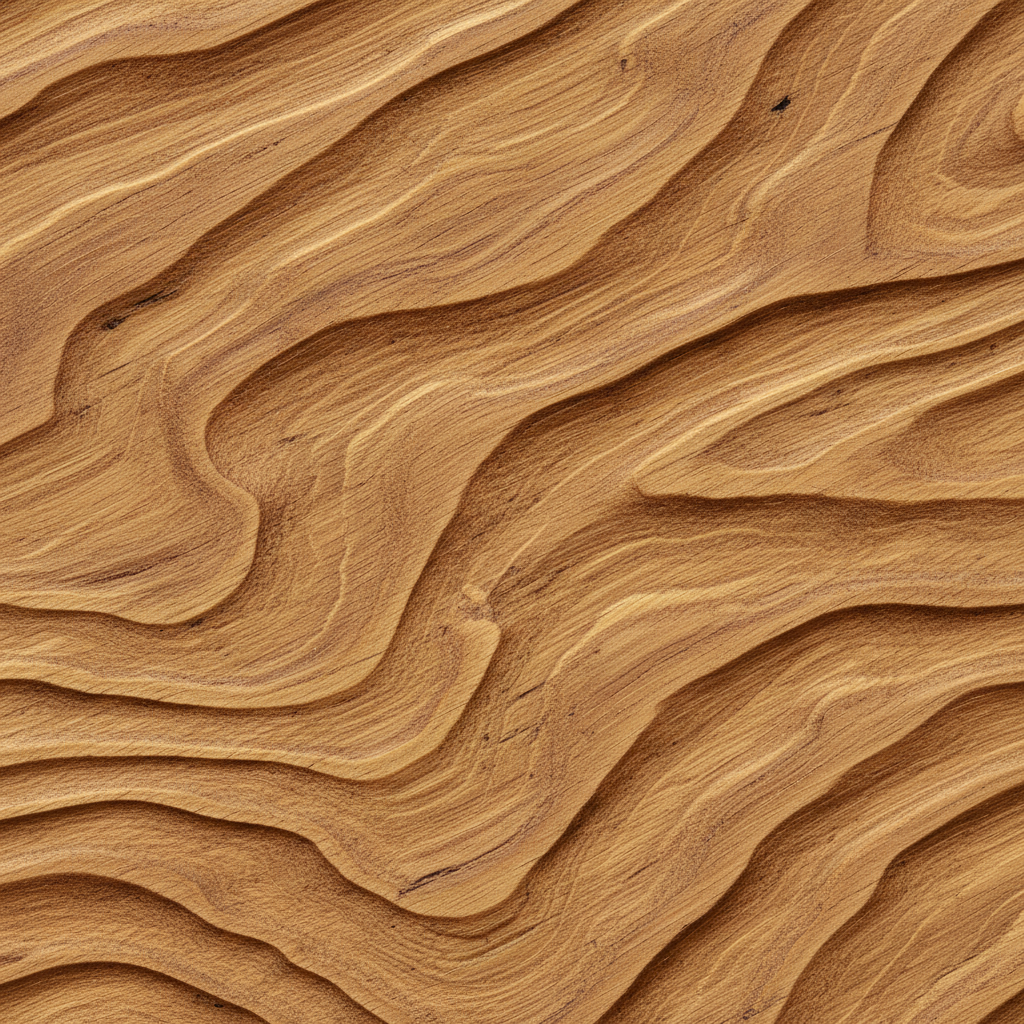
Oak
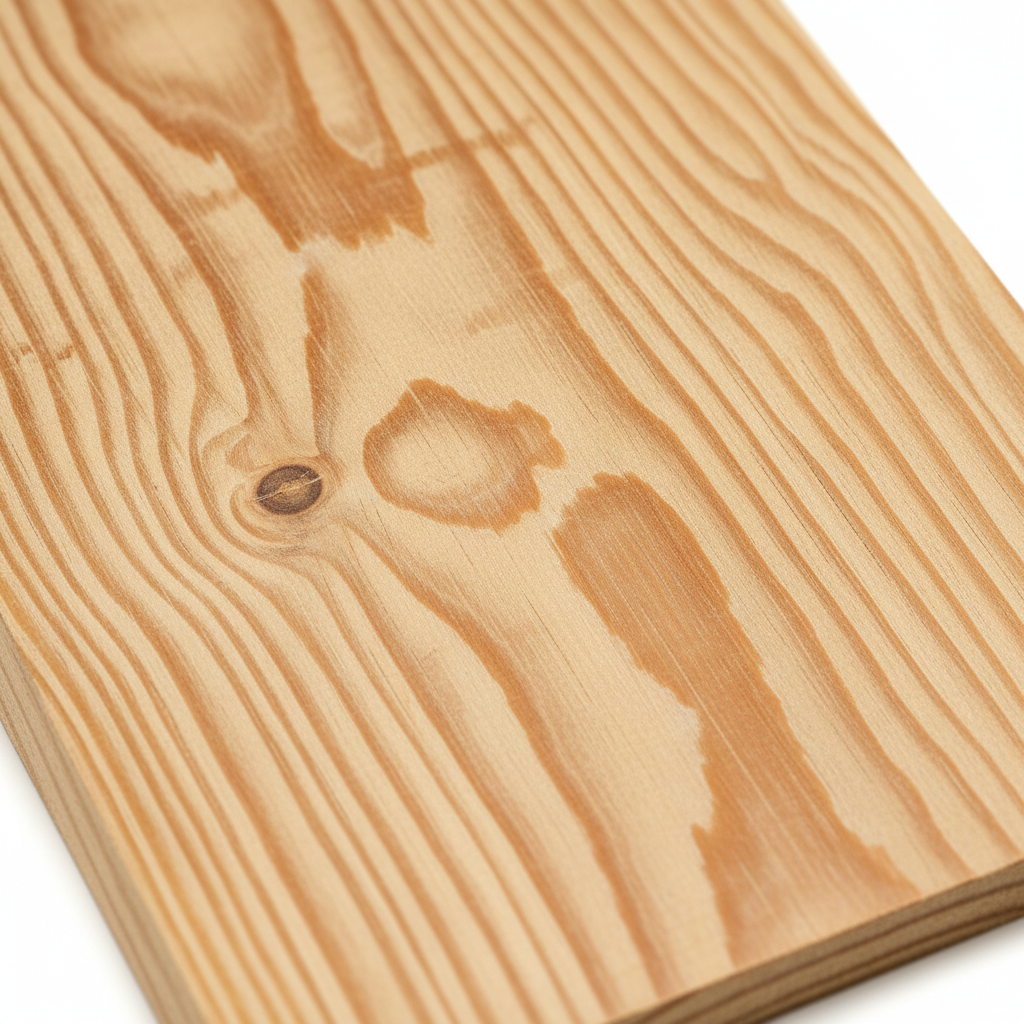
Pine
Key Takeaways
- Floating shelves are one of the most popular home decor projects, and the wood species you choose affects both the look and the load capacity.
- Oak brings hardwood strength and beautiful grain, while Pine offers affordability and a lighter, more casual aesthetic.
- This comparison covers everything you need to choose the right wood for your floating shelf project.
- Oak is the better choice for functional floating shelves carrying real weight — its strength prevents sagging and its grain adds visual impact.
- Pine is perfectly fine for decorative shelves displaying lightweight items and is the budget-friendly option for painted floating shelves throughout the home.
| Property | Oak | Pine |
|---|---|---|
| Hardness (Janka) | 1290 lbf | 380–690 lbf |
| Weight Capacity | High — strong and rigid | Moderate — lighter loads |
| Sag Resistance | Excellent | Moderate |
| Avg Cost (36 In Shelf) | $30–60 | $12–25 |
| Grain Character | Prominent, dramatic | Subtle with knots |
| Finish Options | Stain, oil, or paint | Paint, stain, or natural |
Oak
Pros
- Superior strength and sag resistance for heavy items. Beautiful prominent grain makes a statement. Takes stain and oil finishes beautifully. Harder surface resists scratches and dents.
Cons
- More expensive than Pine. Heavier — requires stronger mounting hardware. Harder to work with hand tools. Open grain may need filling for ultra-smooth finish.
Pine
Pros
- Very affordable — great for multiple shelves. Lightweight — easier to mount and hang. Easy to cut, sand, and finish. Rustic knots add casual character.
Cons
- Sags under heavy loads on longer spans. Soft surface dents easily. Knots bleed through paint without sealing. Less refined appearance than hardwood.
Best Use Cases
Choose Oak for floating shelves that will hold heavy items like books, plants, or cast iron decor, and when you want a premium, natural wood statement. Choose Pine for decorative display shelves holding lightweight items, when budget is a concern, or when you plan to paint the shelves.
Verdict
Oak is the better choice for functional floating shelves carrying real weight — its strength prevents sagging and its grain adds visual impact. Pine is perfectly fine for decorative shelves displaying lightweight items and is the budget-friendly option for painted floating shelves throughout the home.
Frequently Asked Questions
Related Comparisons
Cedar vs Pine
Cedar vs pine for outdoor projects compared on rot resistance, cost, durability, and maintenance. Le
Read guideCedar vs Pine
Compare cedar and pine fencing for durability, cost, maintenance, and lifespan. Learn which wood mak
Read guideCedar vs Pine
Cedar vs Pine for ceiling planks — compare appearance, aroma, cost, and durability. Choose the best
Read guide