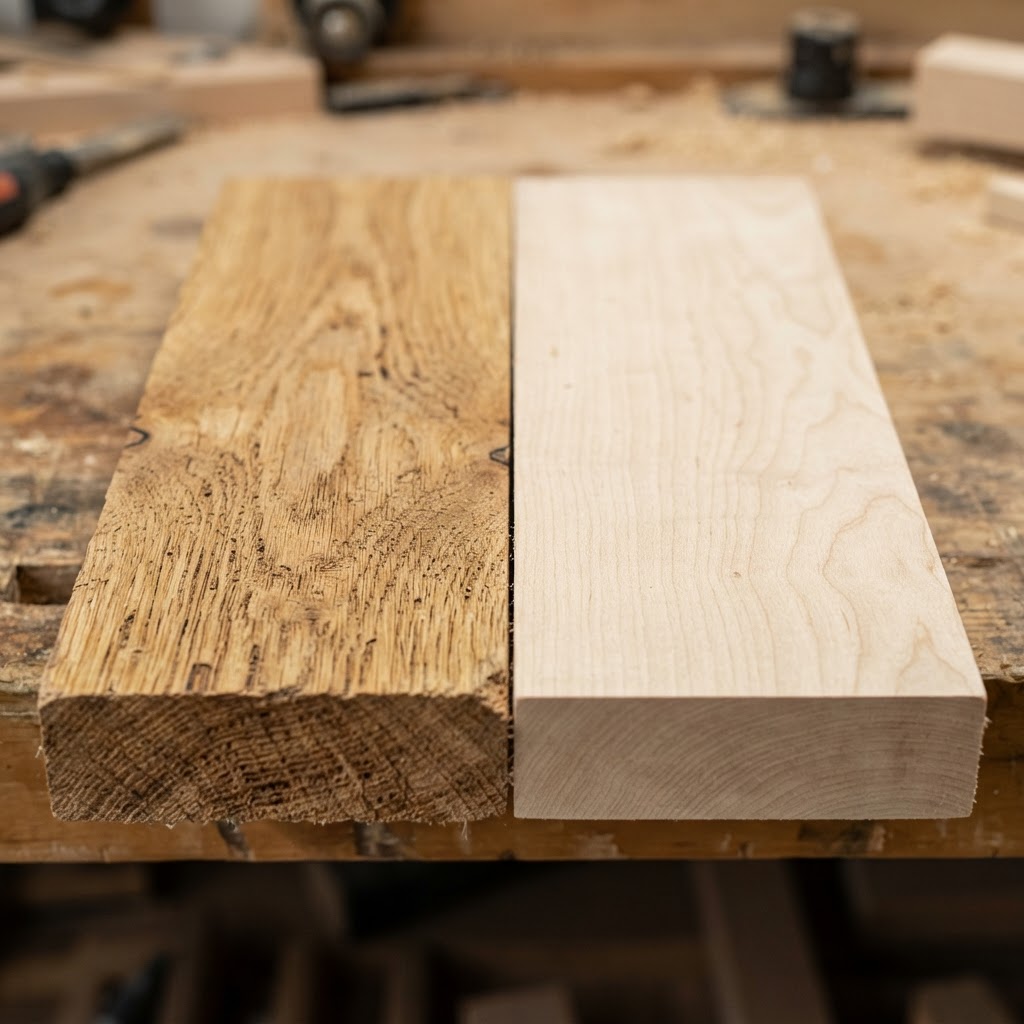
Oak vs Maple Butcher Block: Kitchen Countertop Comparison (2026)
Oak and maple are both popular choices for butcher block countertops, but they have critical differences that affect food safety and performance. This comparison examines the practical considerations that matter most when choosing between these two hardwoods for your kitchen work surface.
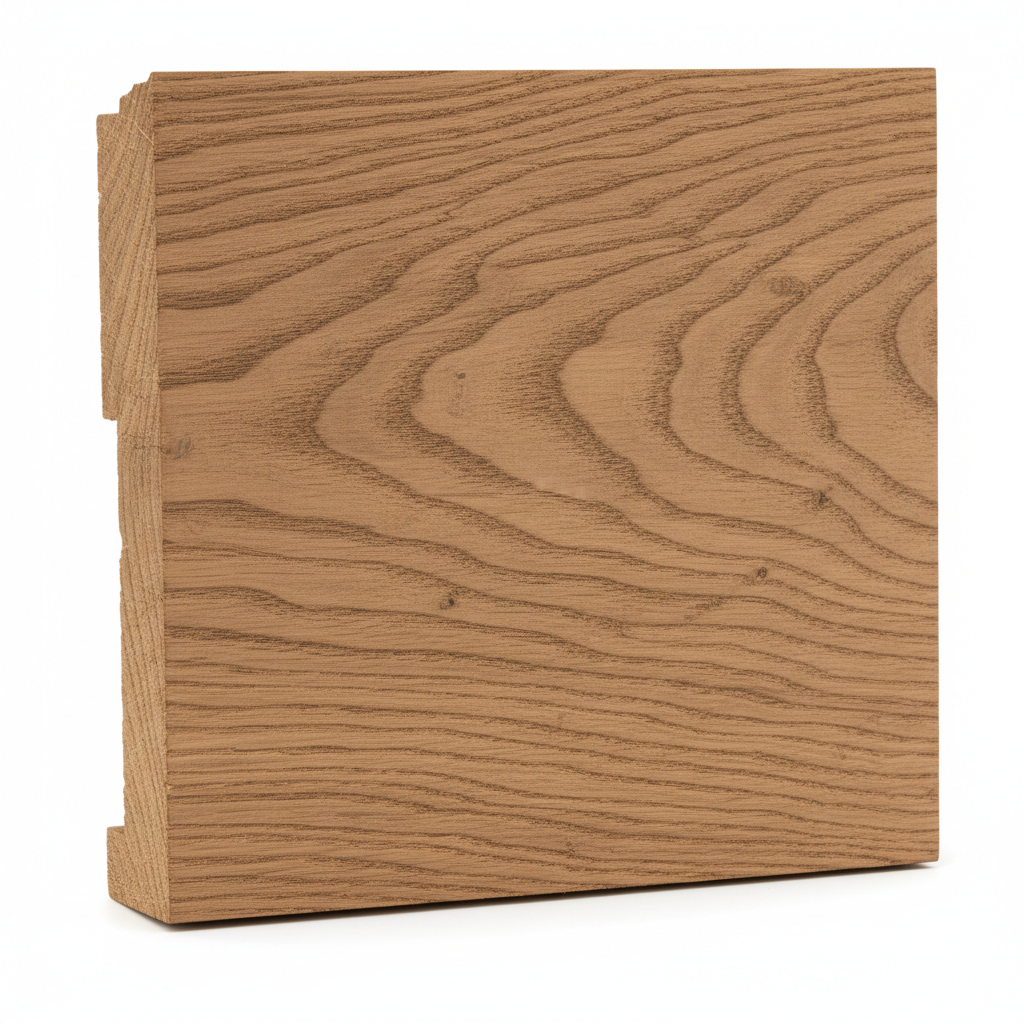
Oak
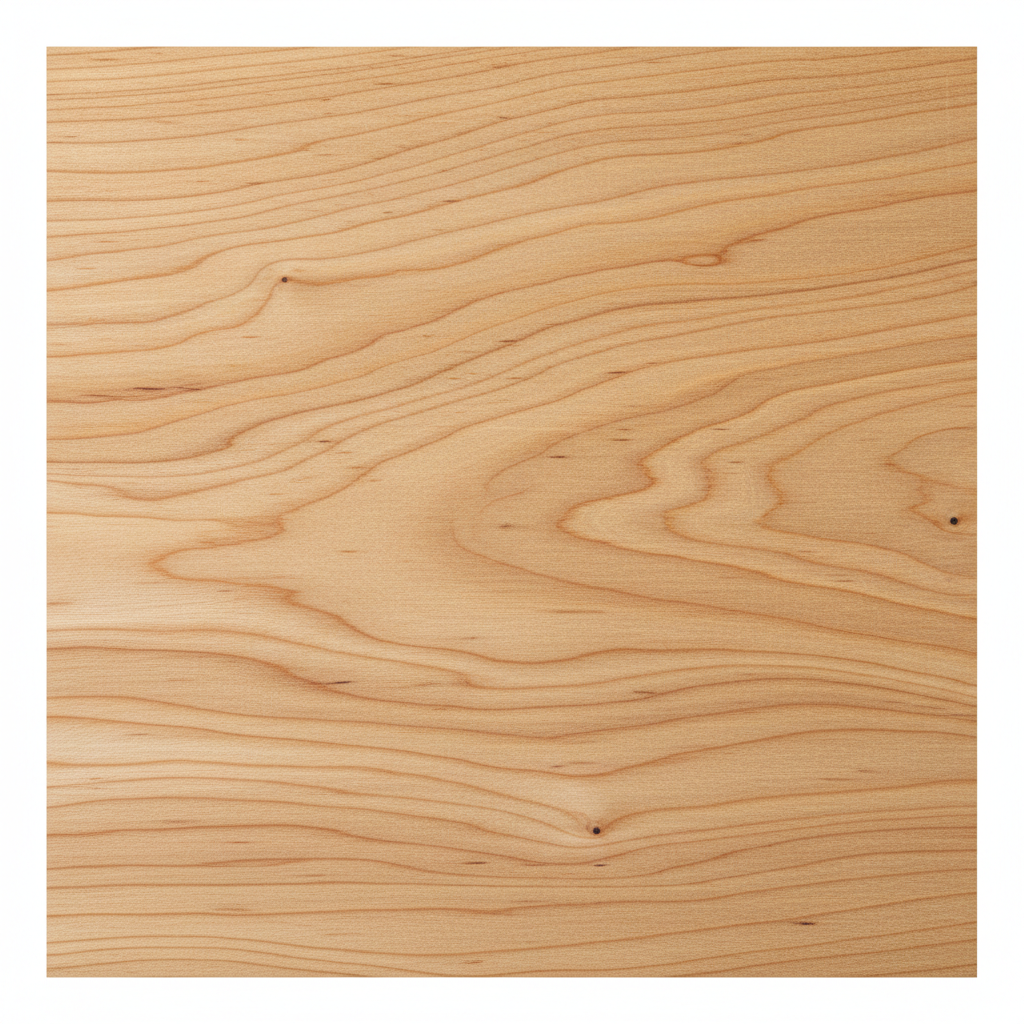
Maple
Key Takeaways
- Oak and maple are both popular choices for butcher block countertops, but they have critical differences that affect food safety and performance.
- This comparison examines the practical considerations that matter most when choosing between these two hardwoods for your kitchen work surface.
- Maple is the clear winner for food preparation surfaces.
- Its tight grain makes it the food industry standard for cutting boards and butcher blocks.
- Oak is better suited as a decorative countertop surface where active food cutting is secondary.
| Property | Oak | Maple |
|---|---|---|
| Janka Hardness | 1,290-1,360 lbf | 1,450 lbf |
| Grain Type | Open-pored | Closed/tight-grained |
| Food Safety | Controversial - open pores | Excellent - tight grain |
| Price | $$ | $$ - $$$ |
| Appearance | Bold grain, warm tones | Clean, light, uniform |
| Knife Friendliness | Good | Good |
| Stain Resistance | Lower - absorbs more | Higher - tighter grain |
Oak
Pros
- Warm attractive appearance, Very durable surface, More affordable option, Distinctive grain pattern
Cons
- Open pores can harbor bacteria, Absorbs more liquids, Not ideal for raw meat prep, Requires more frequent oiling
Maple
Pros
- Tight grain resists bacteria, Industry standard for cutting surfaces, Excellent stain resistance, Hardest common countertop wood
Cons
- Shows stains on light surface, More expensive, Can look clinical or plain, Harder on knife edges
Best Use Cases
Choose maple for butcher blocks used for food preparation, especially raw meat. Its tight, closed grain is the food safety standard. Choose oak for decorative butcher block surfaces used primarily as countertops rather than active cutting surfaces.
Verdict
Maple is the clear winner for food preparation surfaces. Its tight grain makes it the food industry standard for cutting boards and butcher blocks. Oak is better suited as a decorative countertop surface where active food cutting is secondary.
Frequently Asked Questions
Related Comparisons
Alder vs Maple
Alder vs maple for cabinetry — compare hardness, stain acceptance, grain, and cost to choose the bes
Read guideAsh vs Maple
Ash and maple are popular hardwoods for furniture and woodworking. Compare flexibility, hardness, gr
Read guideBeech vs Maple
Beech and maple are hard light-colored woods for furniture and woodworking. Compare hardness, cost,
Read guide