MDF vs Solid Wood Shelving: 2026 Complete Comparison (2026)
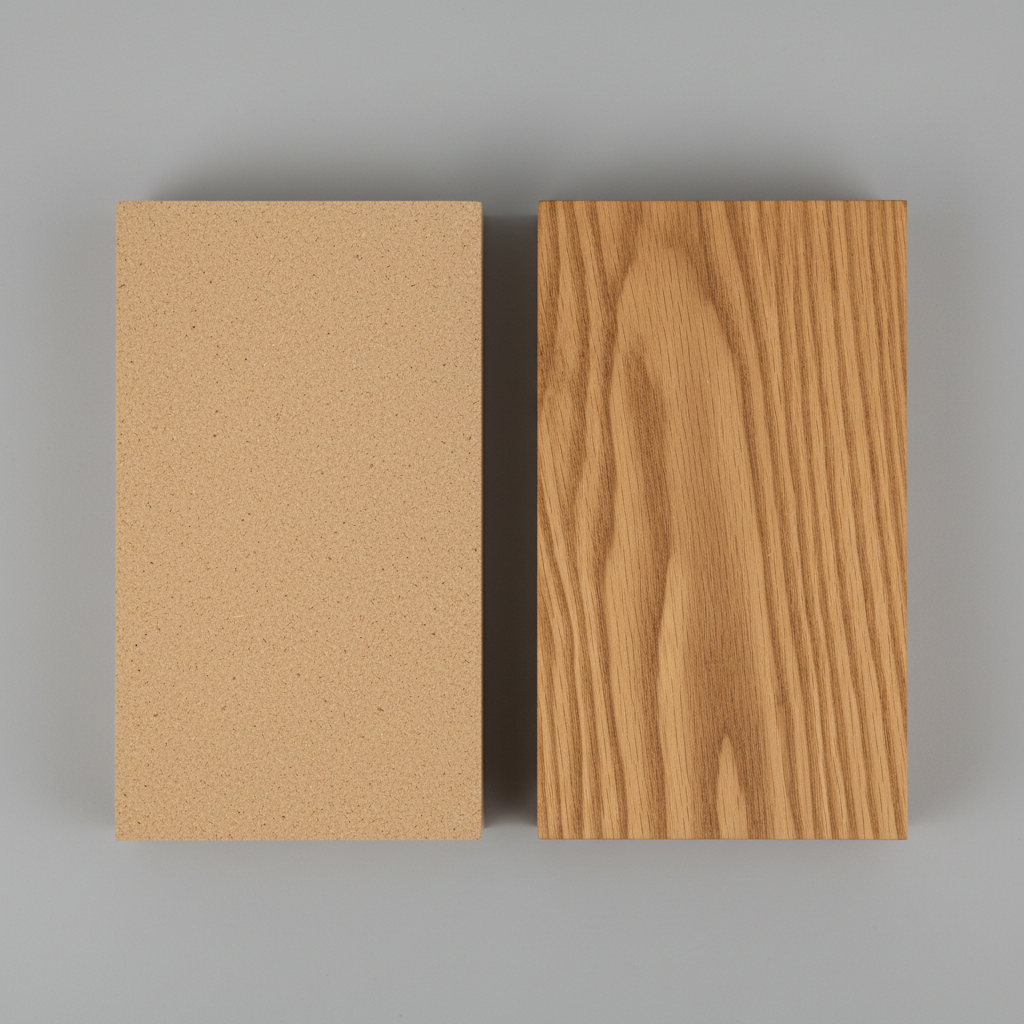
The debate between MDF and solid wood for shelving comes down to priorities: MDF delivers a smooth, paintable surface at a low cost, while solid wood offers natural beauty, superior strength, and the ability to be refinished. This comparison covers performance, aesthetics, and practical considerations for building shelves that serve your needs.
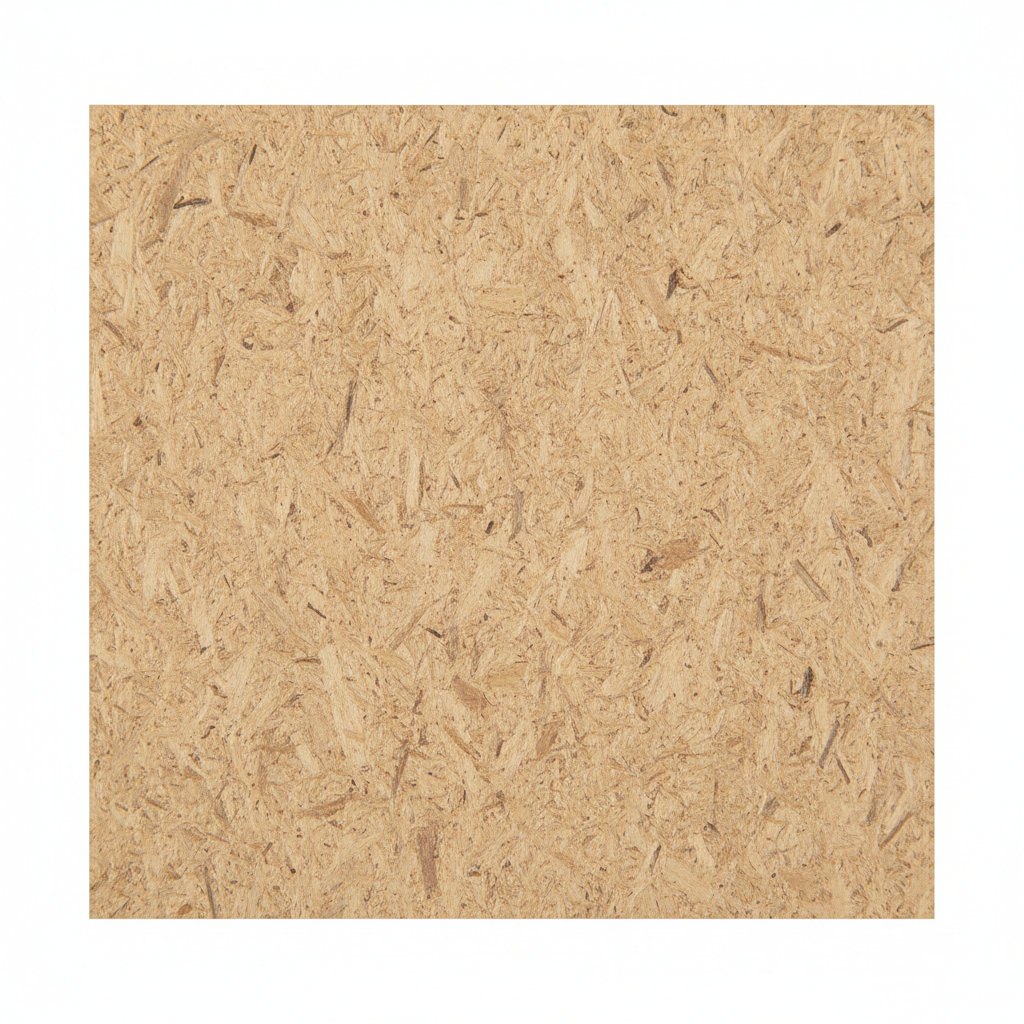
MDF
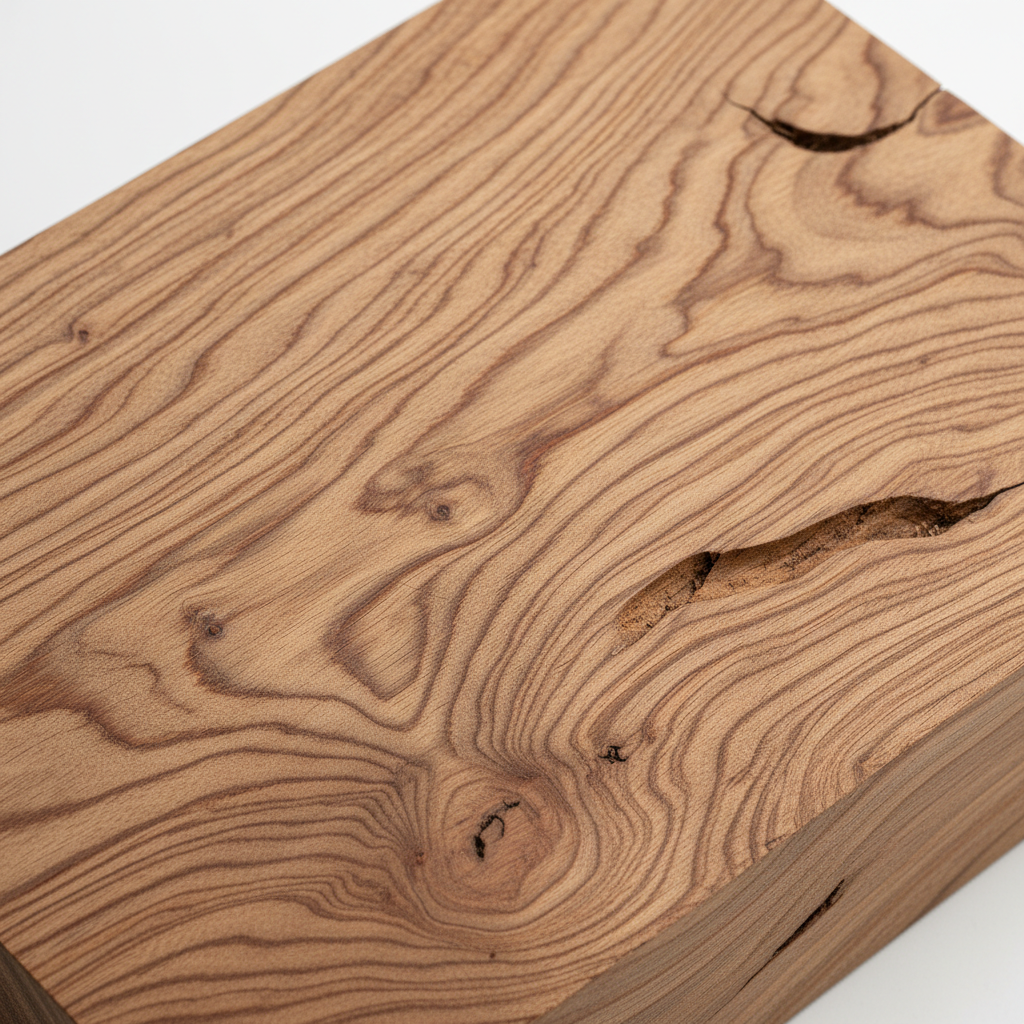
Solid Wood
Key Takeaways
- The debate between MDF and solid wood for shelving comes down to priorities: MDF delivers a smooth, paintable surface at a low cost, while solid wood offers natural beauty, superior strength, and the ability to be refinished.
- This comparison covers performance, aesthetics, and practical considerations for building shelves that serve your needs.
- Solid wood is the better choice for most shelving applications — it holds heavy loads, looks beautiful, and lasts indefinitely with care.
- MDF is appropriate only for light-duty painted shelves where cost is the primary concern and weight loads are minimal.
- For anything holding books or heavy objects, invest in solid wood.
| Property | MDF | Solid Wood |
|---|---|---|
| Sag Resistance | Poor — sags over time | Good to excellent (varies by species) |
| Surface Smoothness | Excellent — perfectly smooth | Good — natural grain texture |
| Paintability | Excellent | Good — requires prep |
| Avg Cost (Per LF, 1x10) | $1.50–3 | $3–10 (varies by species) |
| Moisture Resistance | Very poor | Moderate to good |
| Repairability | Difficult — chips and swells | Easy — sand and refinish |
MDF
Pros
- Perfectly smooth surface for painted shelves. Very affordable. No knots, grain variation, or defects. Available in large, flat sheets.
Cons
- Sags significantly under heavy loads over time. Swells and disintegrates when wet. Heavy for its strength. Cannot be refinished — must be replaced.
Solid Wood
Pros
- Superior strength and load-bearing capacity. Natural beauty with grain and character. Can be sanded and refinished multiple times. Better moisture tolerance than MDF.
Cons
- More expensive, especially for hardwoods. Can warp or cup if not properly acclimated. Requires more finishing preparation. Natural defects may need selection or filling.
Best Use Cases
Choose MDF for painted display shelves holding lightweight decorative items, where a smooth painted surface matters most and loads are minimal. Choose Solid Wood for bookshelves, kitchen shelves, and any application carrying real weight where durability and natural beauty are valued.
Verdict
Solid wood is the better choice for most shelving applications — it holds heavy loads, looks beautiful, and lasts indefinitely with care. MDF is appropriate only for light-duty painted shelves where cost is the primary concern and weight loads are minimal. For anything holding books or heavy objects, invest in solid wood.