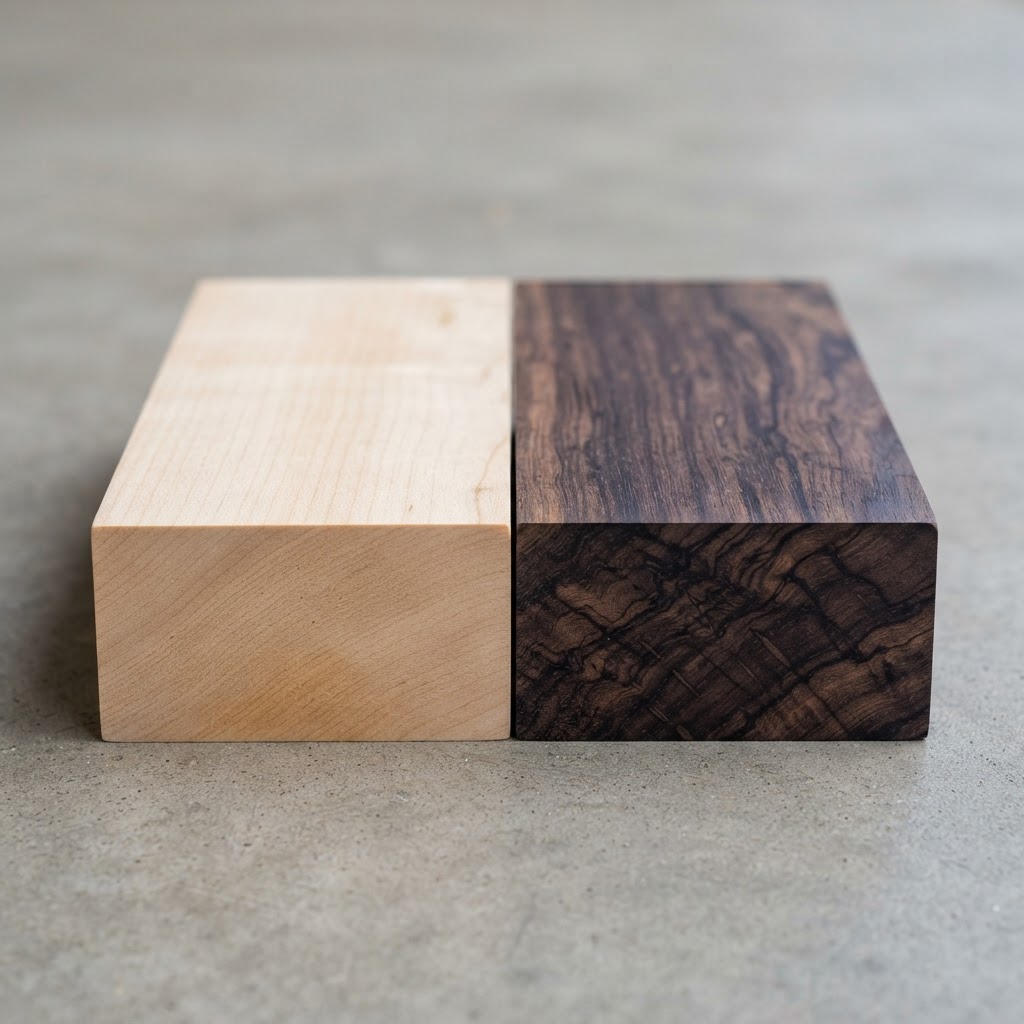
Maple vs Rosewood Fretboard: 2026 Complete Comparison (2026)
The fretboard wood shapes not only the look and feel of your guitar but also its tone and playability. Maple delivers a snappy, bright attack with a smooth lacquered surface, while Rosewood provides warm, rounded tone with a natural oily feel. This comparison breaks down tone, maintenance, aesthetics, and feel to help you choose the right fretboard.
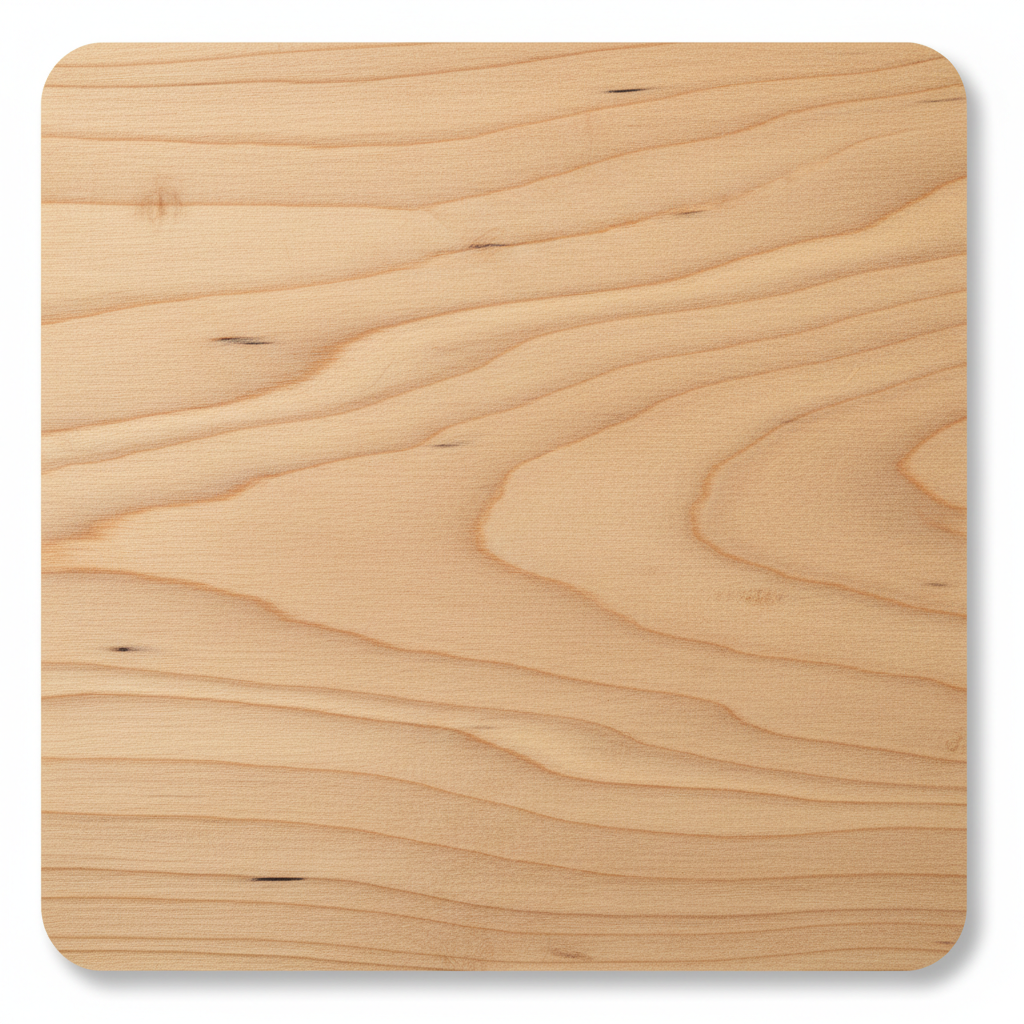
Maple
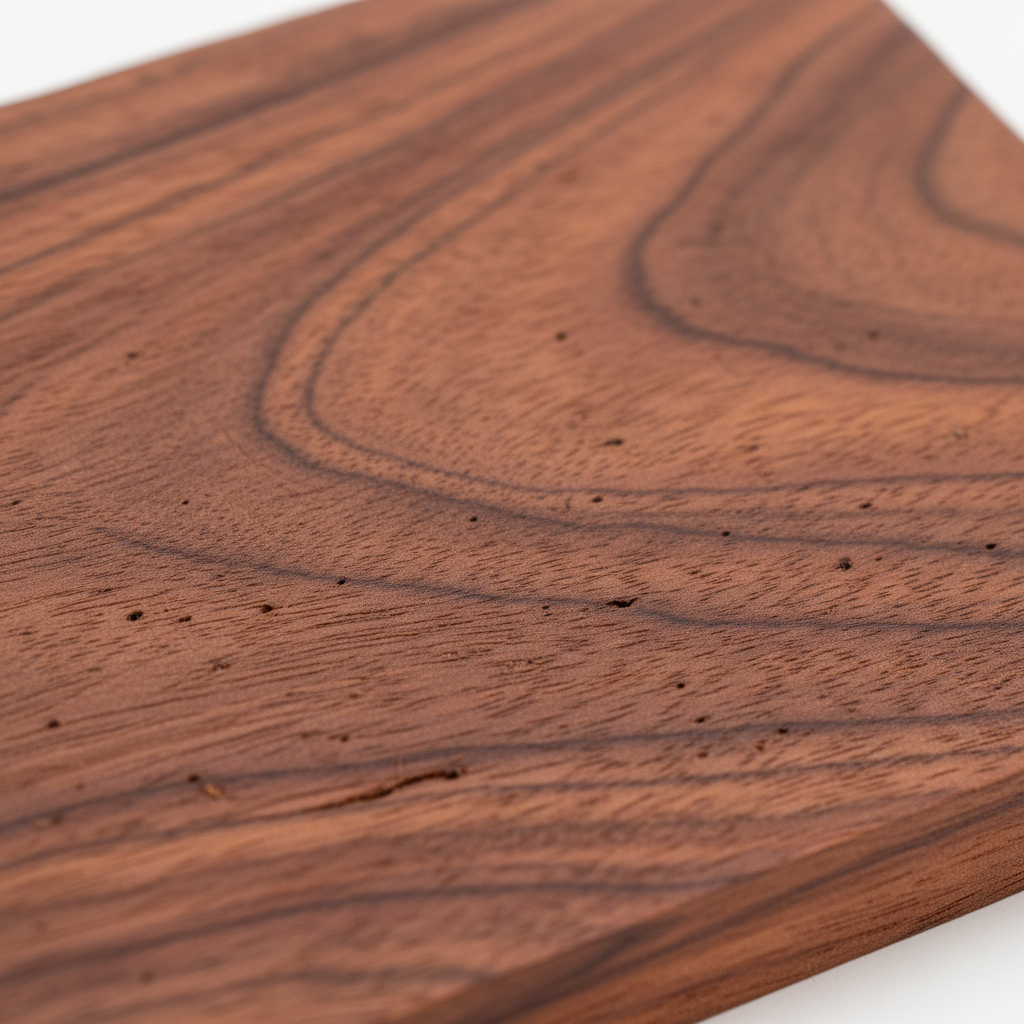
Rosewood
Key Takeaways
- The fretboard wood shapes not only the look and feel of your guitar but also its tone and playability.
- Maple delivers a snappy, bright attack with a smooth lacquered surface, while Rosewood provides warm, rounded tone with a natural oily feel.
- This comparison breaks down tone, maintenance, aesthetics, and feel to help you choose the right fretboard.
- This is almost entirely a matter of personal preference.
- Maple excels for bright, articulate styles and a modern look, while Rosewood is the go-to for warm, classic tone and feel.
| Property | Maple | Rosewood |
|---|---|---|
| Tone Character | Bright, snappy, articulate | Warm, smooth, rounded |
| Surface Feel | Smooth lacquered finish | Natural, slightly textured |
| Color | Light cream/blonde | Dark brown |
| Maintenance | Wipe clean — finished surface | Needs conditioning oil |
| Hardness (Janka) | 1450 lbf | 1780–2900 lbf |
| Shows Wear | Yes — finish wears visibly | Minimal visible wear |
Maple
Pros
- Bright, snappy tone with excellent note definition. Smooth, fast-feeling lacquered surface. Clean, modern aesthetic. Low maintenance — sealed finish repels grime.
Cons
- Shows dirt, fingerprints, and wear more visibly on light finish. Lacquer can feel sticky in humid conditions. Less warm tone — may sound thin to some players.
Rosewood
Pros
- Warm, rich tone that smooths out harsh frequencies. Natural oily surface feels great without lacquer. Hides wear and grime well. Classic, traditional look on most guitars.
Cons
- Requires periodic conditioning with fretboard oil. CITES restrictions have increased cost on some species. Can dry out and crack in low humidity if neglected.
Best Use Cases
Choose Maple for bright, cutting tones suited to country, funk, pop, and any style needing note clarity and snap. Choose Rosewood for warmer, fuller tones preferred in blues, jazz, rock, and singer-songwriter applications where smoothness is valued.
Verdict
This is almost entirely a matter of personal preference. Maple excels for bright, articulate styles and a modern look, while Rosewood is the go-to for warm, classic tone and feel. Most guitarists benefit from trying both — the best fretboard is the one that feels and sounds right under your fingers.