Maple vs Cherry for Cutting Boards: 2026 Complete Comparison (2026)
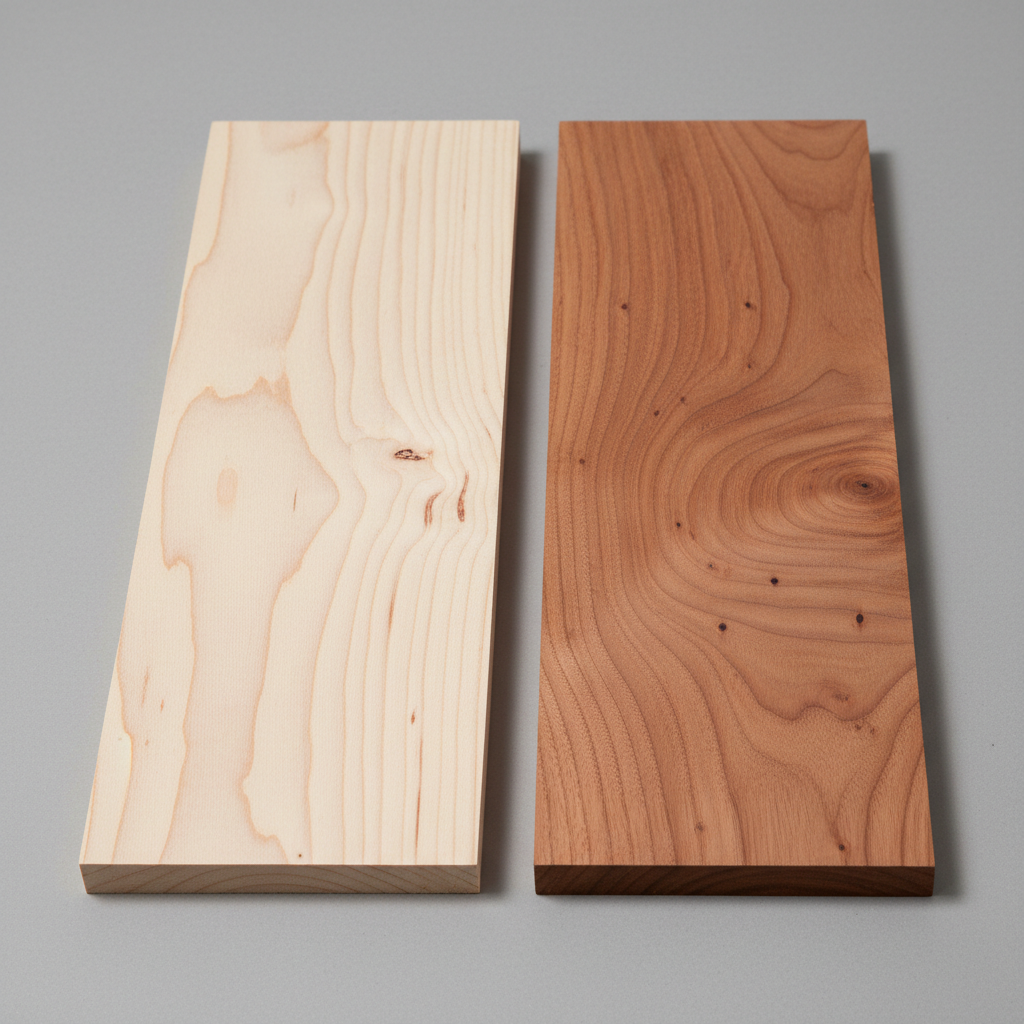
When it comes to wooden cutting boards, Maple and Cherry are two top contenders. Hard Maple is the professional kitchen standard, prized for its extreme durability and tight grain that resists bacteria. Cherry offers a warmer aesthetic while still being food-safe. This guide compares both woods on the metrics that matter most for cutting boards.
Maple
Cherry
Key Takeaways
- When it comes to wooden cutting boards, Maple and Cherry are two top contenders.
- Hard Maple is the professional kitchen standard, prized for its extreme durability and tight grain that resists bacteria.
- Cherry offers a warmer aesthetic while still being food-safe.
- Hard Maple is the better choice for a primary cutting board used daily — it is harder, more durable, and more resistant to knife marks and bacteria.
- Cherry excels as a decorative serving or charcuterie board where its beautiful color steals the show.
| Property | Maple | Cherry |
|---|---|---|
| Hardness (Janka) | 1450 lbf | 950 lbf |
| Grain Porosity | Closed, very tight | Closed, fine |
| Food Safety | Excellent — naturally antibacterial | Good — food-safe |
| Knife Friendliness | Moderate — harder on edges | Excellent — gentle on knives |
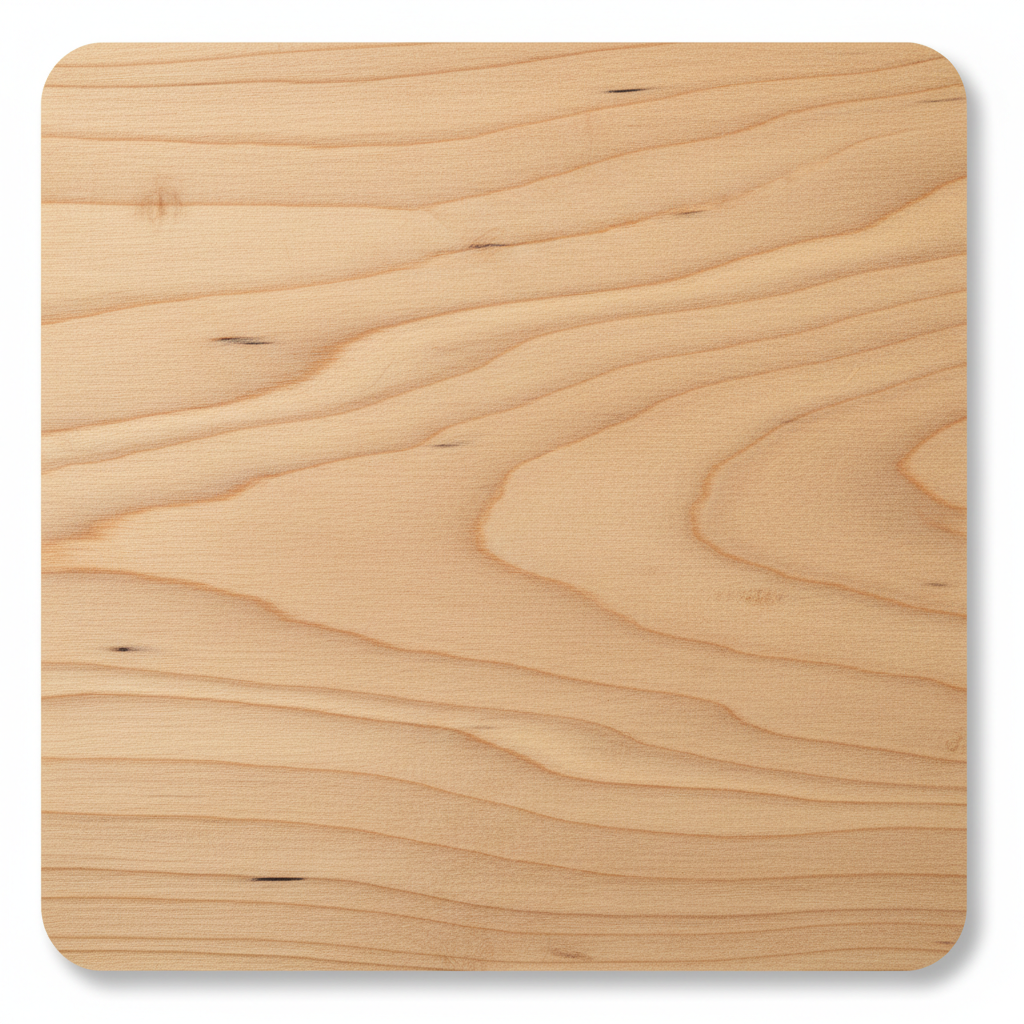
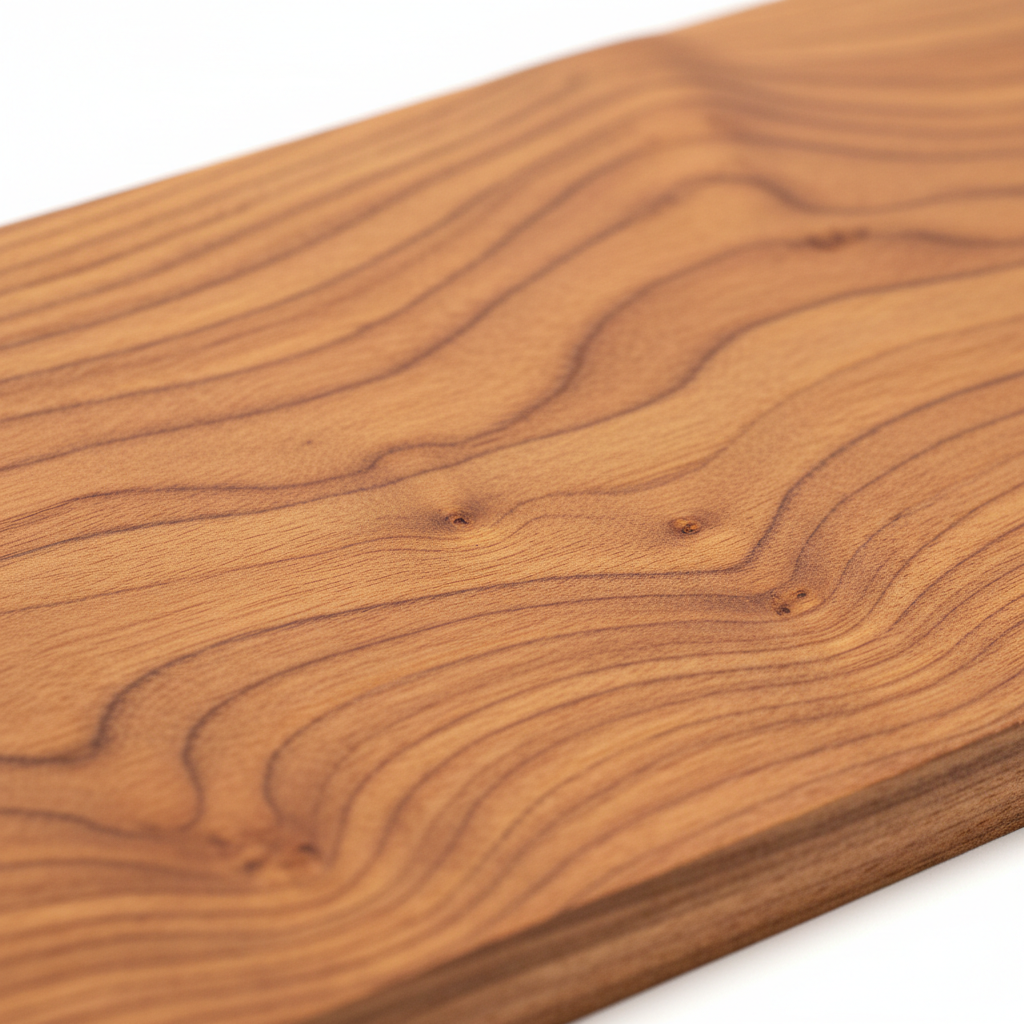
| Color | Light cream | Warm pinkish-brown |
| Avg Board Cost (18x12) | $60–100 | $70–120 |
Maple
Pros
- Extremely hard and scratch-resistant surface. Tight closed grain resists bacteria penetration. Industry standard for butcher blocks and prep surfaces. Neutral color does not show stains easily.
Cons
- Harder surface dulls knife edges faster. Light color can look worn over time. Lacks the warmth and character of darker woods.
Cherry
Pros
- Warm, attractive color that deepens beautifully with age. Gentler on knife edges than Maple. Food-safe with closed grain. Beautiful as a serving and display board.
Cons
- Softer — shows cut marks and wear faster. Darker color can show mineral oil buildup. Not as resistant to heavy professional use.
Best Use Cases
Choose Maple for a daily-use prep board, professional kitchen, or butcher block that needs to withstand heavy cutting. Choose Cherry when aesthetics matter most — serving boards, charcuterie boards, and display pieces where the warm color and patina are a priority over maximum durability.
Verdict
Hard Maple is the better choice for a primary cutting board used daily — it is harder, more durable, and more resistant to knife marks and bacteria. Cherry excels as a decorative serving or charcuterie board where its beautiful color steals the show. Many woodworkers make both and combine them in edge-grain patterns.