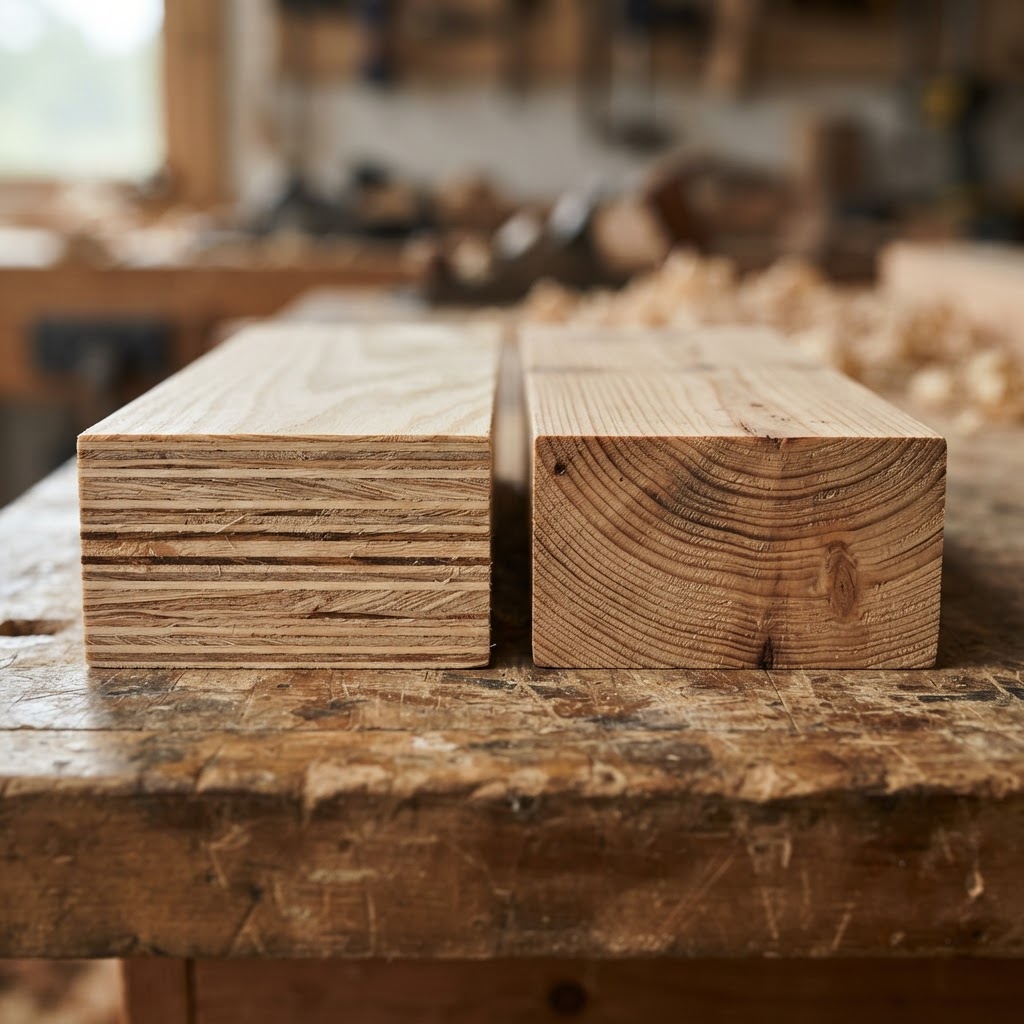
structural
LVL vs Solid Lumber: Engineered vs Traditional (2026)
LVL offers superior strength and consistency compared to solid lumber. Understanding when LVL's advantages justify its higher cost is essential for builders.
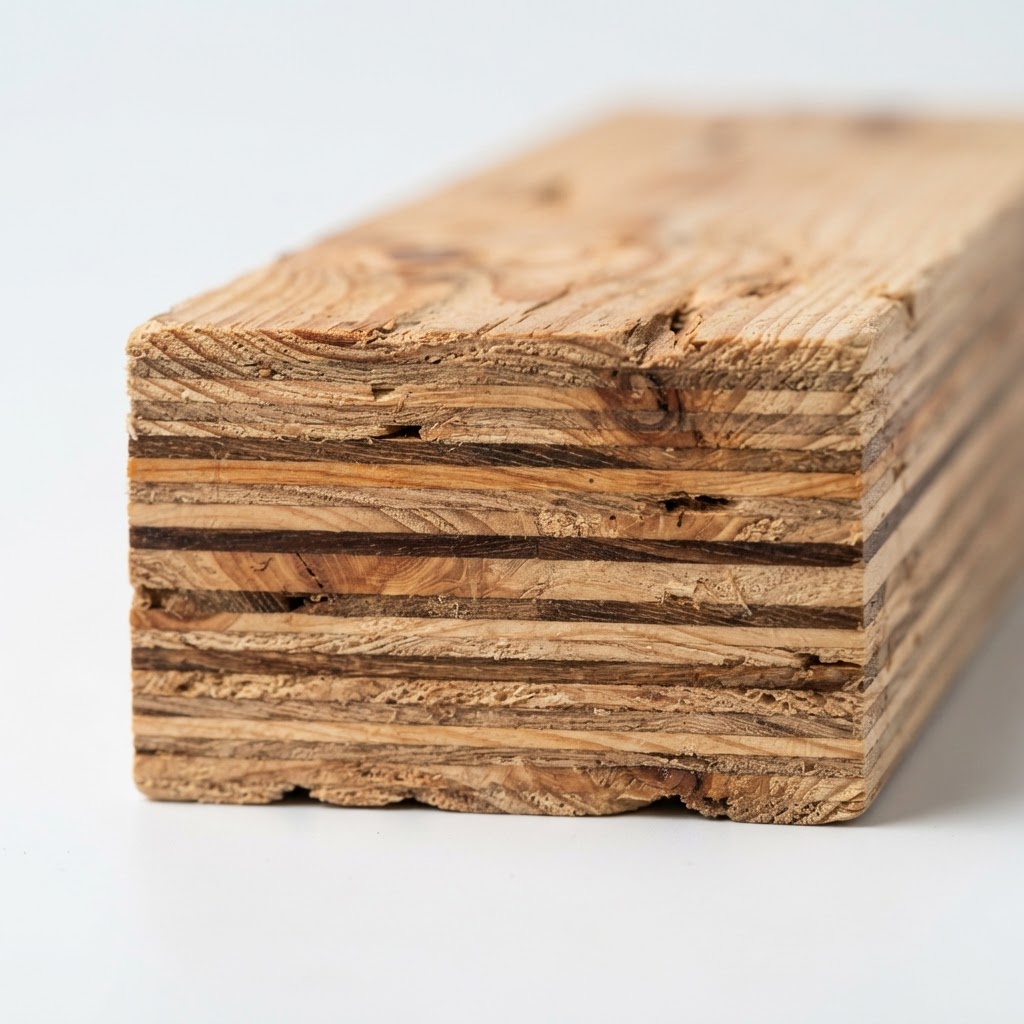
LVL (Laminated Veneer Lumber)
vs
vs
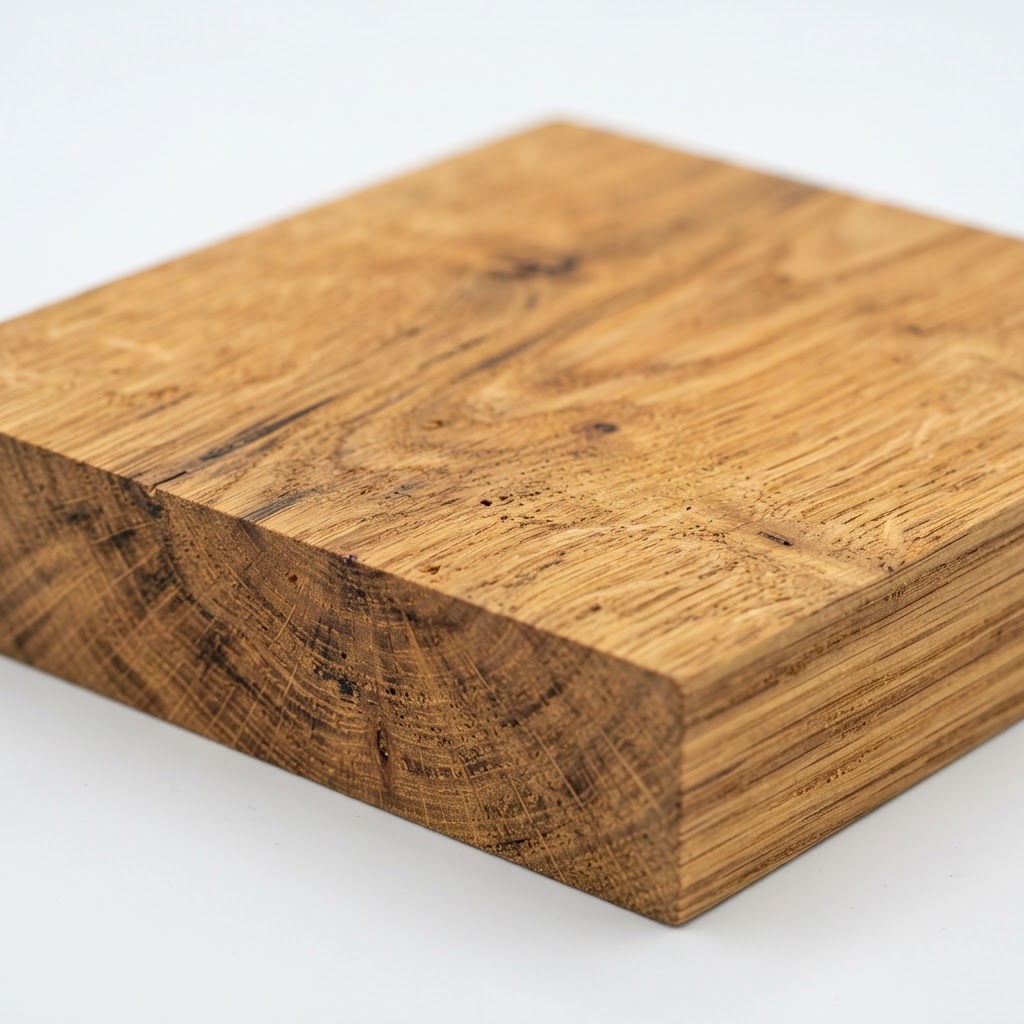
Solid Lumber
Key Takeaways
- LVL offers superior strength and consistency compared to solid lumber.
- Understanding when LVL's advantages justify its higher cost is essential for builders.
- LVL is essential for long spans and critical structures.
- Solid lumber is cost-effective for standard framing.
- Choose LVL for long-span beams and critical structural members.
| Property | LVL (Laminated Veneer Lumber) | Solid Lumber |
|---|---|---|
| Cost/Linear Ft | $3-$8 | $1-$4 |
| Strength | Very high consistent | Variable |
| Max Span | 60+ feet | 20 ft typical |
LVL (Laminated Veneer Lumber)
Pros
- Consistent predictable strength, Spans much longer distances, Won't warp twist or bow, Custom sizes available
Cons
- 2-3x more expensive, Not for outdoor exposure, Heavier per volume, Requires end-sealing
Solid Lumber
Pros
- Much more affordable, Widely available, Can be used outdoor (treated), Lighter weight
Cons
- Variable strength from knots, Limited span capacity, Prone to warping, Standard sizes only
Best Use Cases
Choose LVL for long-span beams and critical structural members. Choose solid lumber for standard framing and budget projects.
Verdict
LVL is essential for long spans and critical structures. Solid lumber is cost-effective for standard framing.
Frequently Asked Questions
For beams spanning over 10-12 feet, load-bearing headers, and where consistent strength matters.
Yes, 1.5-2x stronger because veneer layering eliminates natural defects.
Standard LVL should not be exposed to weather without treatment and protection.