structural
Kiln-Dried vs Green Lumber: Which Should You Buy? (2026)
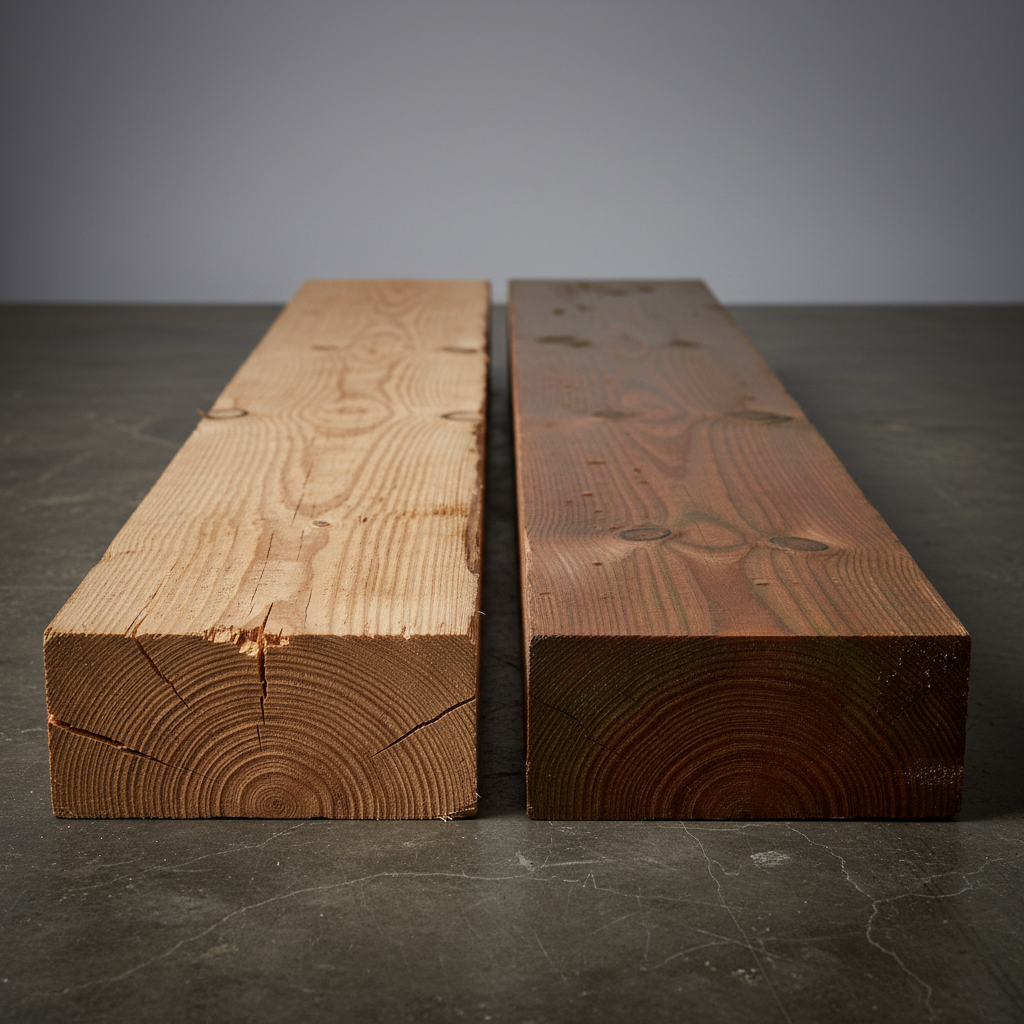
Moisture content dramatically affects lumber performance. Kiln-dried is controlled to low moisture; green lumber is freshly sawn and still wet.
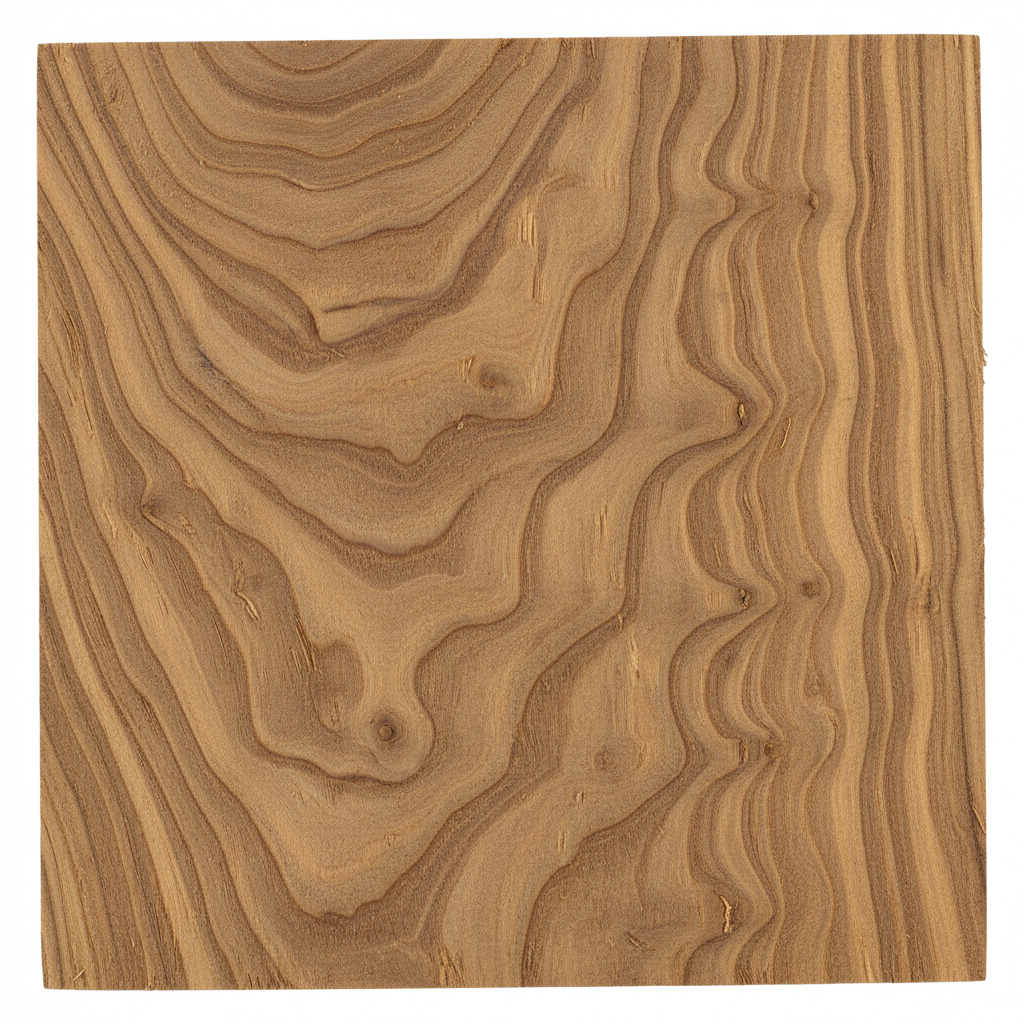
Kiln-Dried Lumber
vs
vs
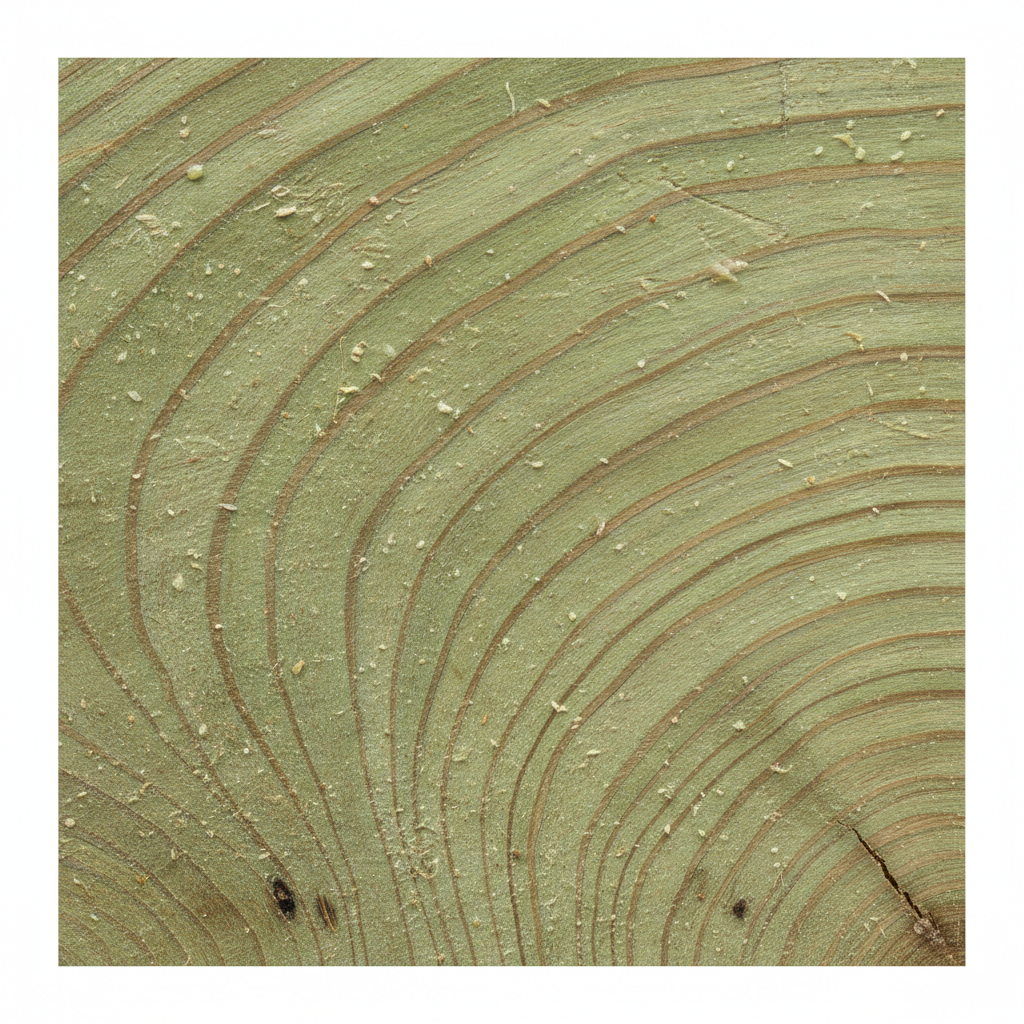
Green (Wet) Lumber
Key Takeaways
- Moisture content dramatically affects lumber performance.
- Kiln-dried is controlled to low moisture; green lumber is freshly sawn and still wet.
- Kiln-dried is essential for finish work.
- Green lumber is only appropriate for rough framing and timber construction.
- Use kiln-dried for trim flooring furniture and precision work.
| Property | Kiln-Dried Lumber | Green (Wet) Lumber |
|---|---|---|
| Moisture | 6-19% | 30-50%+ |
| Shrinkage | Minimal | Significant |
| Warping Risk | Low | High |
Kiln-Dried Lumber
Pros
- Stable dimensions minimal shrinkage, Ready to finish or install, Less likely to warp or crack, Lighter easier to handle
Cons
- More expensive, Can be brittle if over-dried, Still needs acclimation, Energy-intensive process
Green (Wet) Lumber
Pros
- Less expensive, Available immediately, Good for timber framing, Less brittle for nailing
Cons
- Will shrink significantly, High warping and cracking risk, Cannot finish until dry, Very heavy
Best Use Cases
Use kiln-dried for trim flooring furniture and precision work. Green lumber is acceptable for rough framing.
Verdict
Kiln-dried is essential for finish work. Green lumber is only appropriate for rough framing and timber construction.
Frequently Asked Questions
Yes, commonly used for rough framing. Standard construction accounts for shrinkage.
About one year per inch of thickness.
Interior finish lumber should be 6-8%. Framing at 19% or less is acceptable.