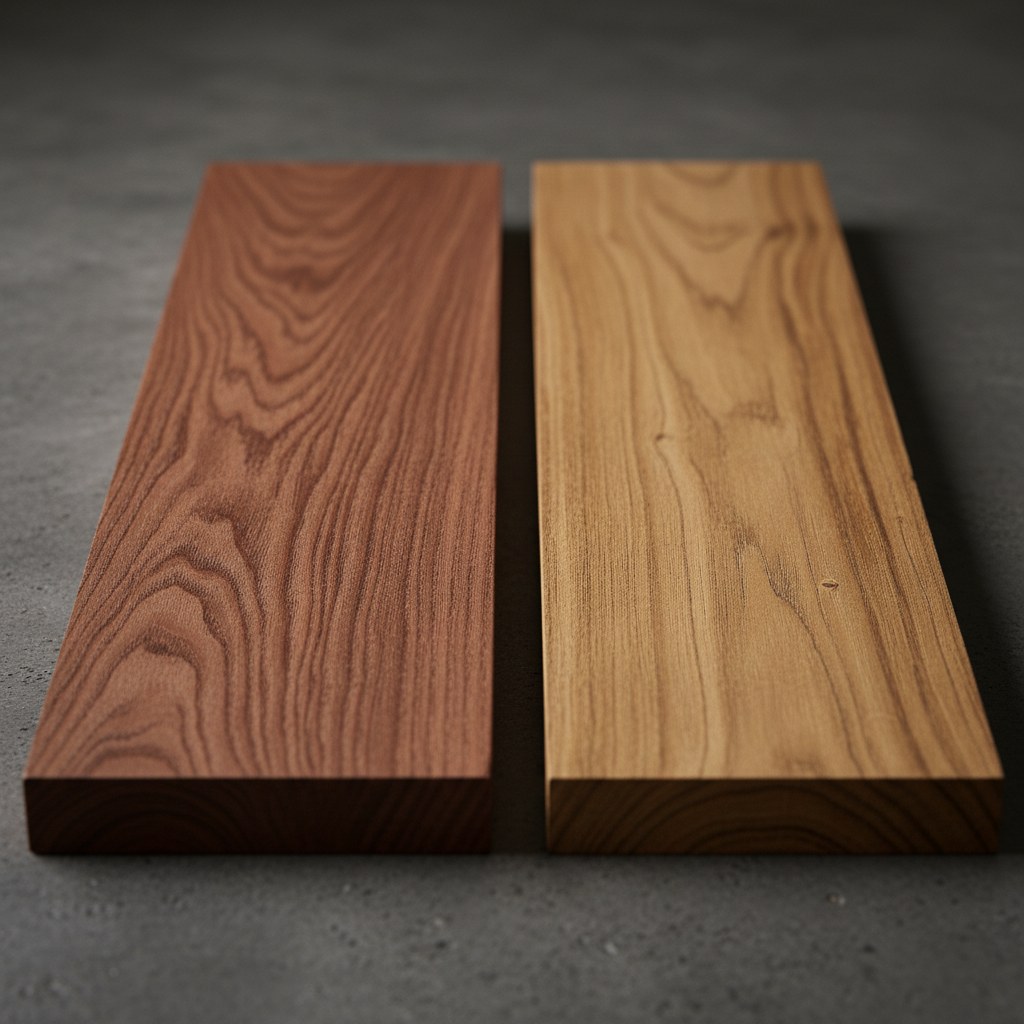
Ipe vs Teak for Dock Decking: 2026 Complete Comparison (2026)
Dock decking faces some of the harshest conditions any wood must endure — constant water exposure, UV radiation, foot traffic, and marine organisms. Ipe and Teak are the two premium hardwoods that handle these conditions best. This comparison covers durability, safety, cost, and maintenance to help you choose the right decking for your dock.
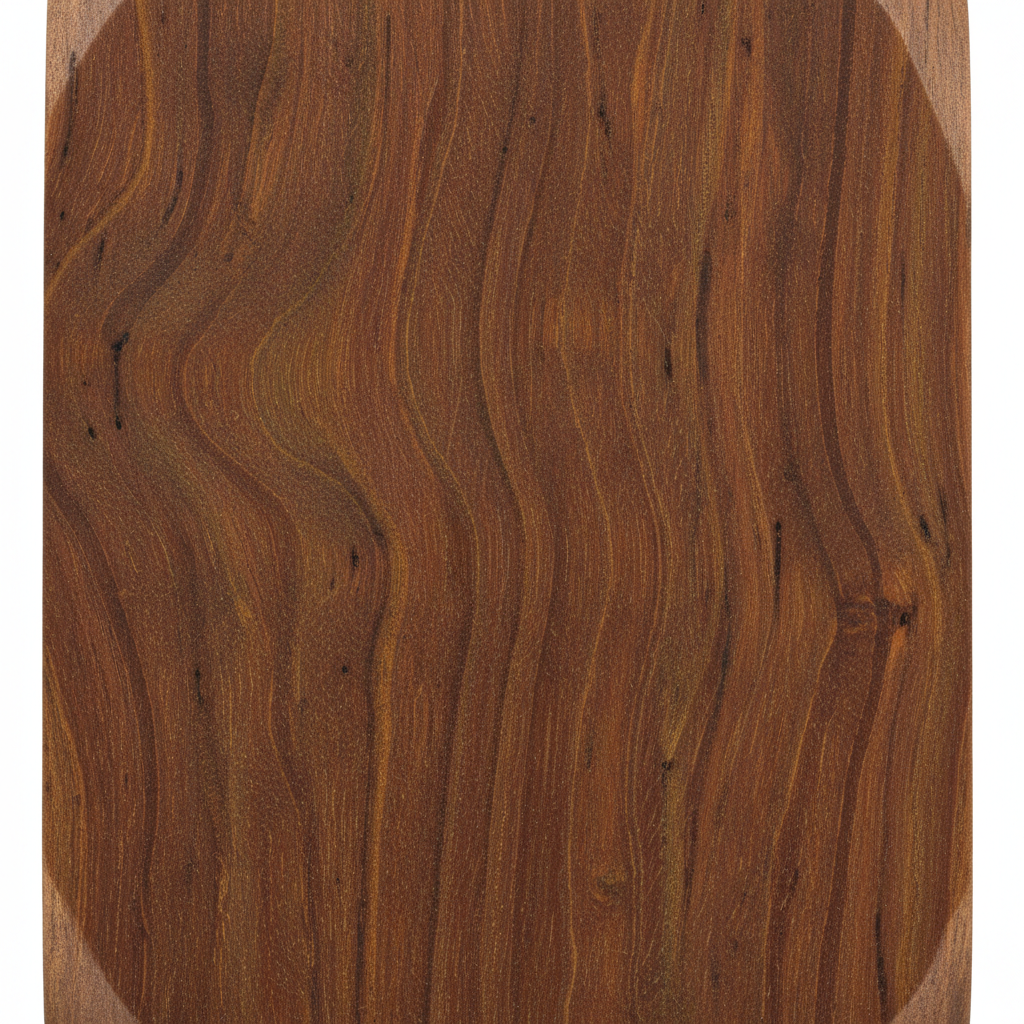
Ipe
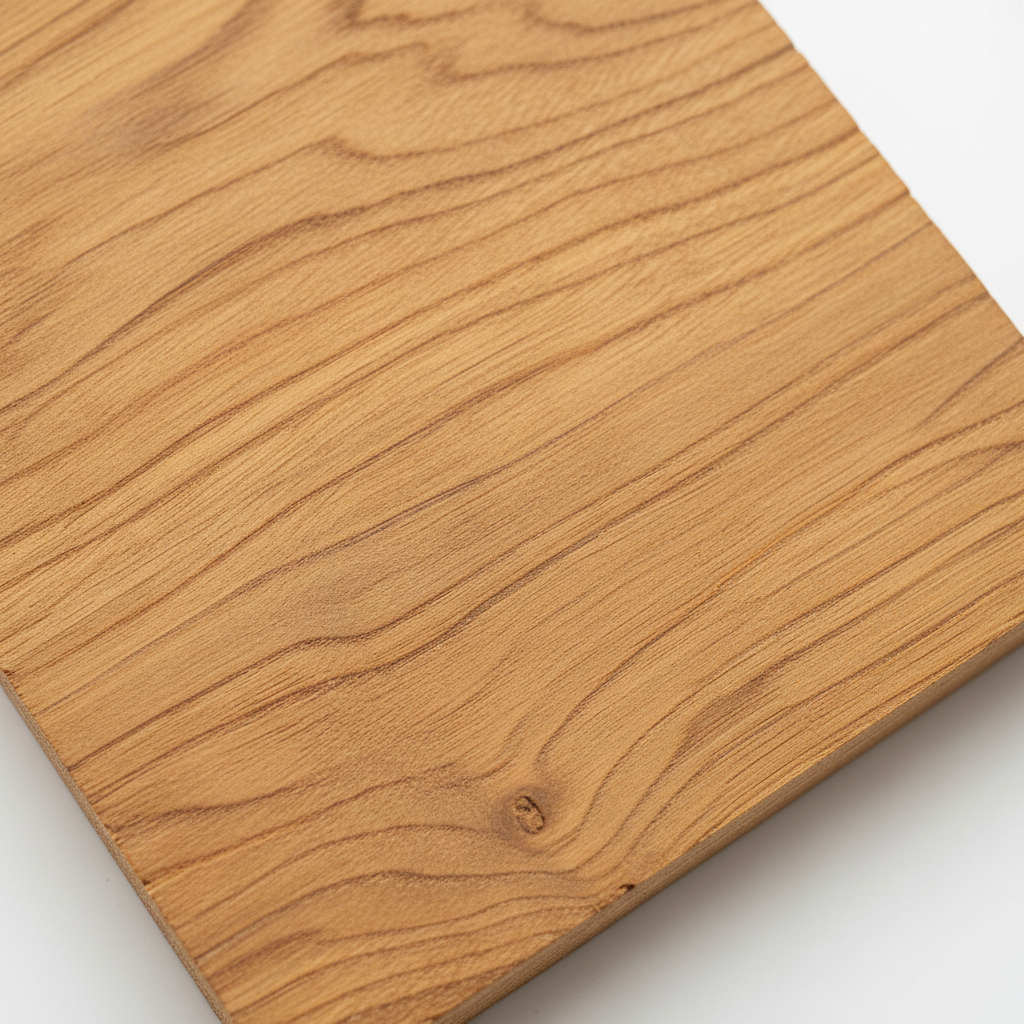
Teak
Key Takeaways
- Dock decking faces some of the harshest conditions any wood must endure — constant water exposure, UV radiation, foot traffic, and marine organisms.
- Ipe and Teak are the two premium hardwoods that handle these conditions best.
- This comparison covers durability, safety, cost, and maintenance to help you choose the right decking for your dock.
- For most dock projects, Ipe delivers the best value — it outlasts Teak and costs significantly less.
- However, Teak's natural non-slip surface makes it the safer choice for swim docks and areas with barefoot traffic.
| Property | Ipe | Teak |
|---|---|---|
| Hardness (Janka) | 3510 lbf | 1070 lbf |
| Decay Resistance | Exceptional | Exceptional |
| Slip Resistance (Wet) | Moderate — can be slippery | Excellent — naturally non-slip |
| Avg Cost (BF) | $8–16 | $25–50 |
| Lifespan (Dock) | 40–75+ years | 30–50+ years |
| Maintenance | Optional oiling | Optional oiling |
Ipe
Pros
- Hardest commercially available wood — extreme durability. More affordable than Teak for large dock surfaces. Longest lifespan of any natural wood decking. Virtually impervious to marine borers.
Cons
- Can be slippery when wet — may need anti-slip treatment. Extremely hard on tools during installation. Very heavy — difficult to handle on a dock. Splinters can be severe due to density.
Teak
Pros
- Naturally non-slip when wet — critical safety advantage. Self-maintaining with natural oil content. Traditional marine choice with centuries of proven use. More comfortable underfoot than Ipe.
Cons
- Much more expensive per board foot. Shorter lifespan than Ipe in dock applications. Sustainability concerns require FSC verification. Softer — shows wear faster than Ipe.
Best Use Cases
Choose Ipe for large commercial docks or residential docks where budget matters and anti-slip measures can be added. Choose Teak for boat docks, swim docks, and any surface where bare feet are common and natural slip resistance is a critical safety feature.
Verdict
For most dock projects, Ipe delivers the best value — it outlasts Teak and costs significantly less. However, Teak's natural non-slip surface makes it the safer choice for swim docks and areas with barefoot traffic. If budget allows, Teak decking on an Ipe substructure is the ultimate combination.