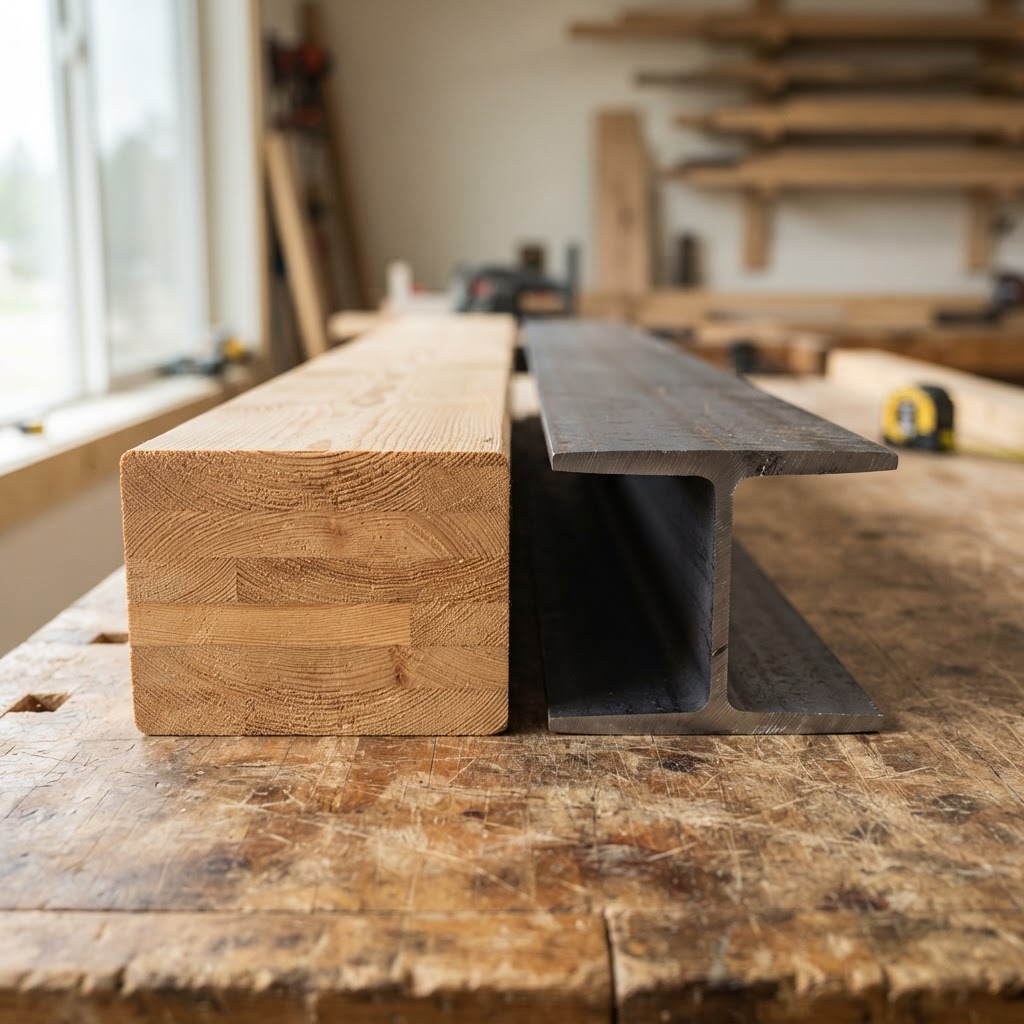
Glulam vs Steel I-Beam: 2026 Complete Comparison (2026)
When spanning large openings, builders typically choose between glue-laminated timber (glulam) and steel I-beams. While steel has long been the default for heavy loads, glulam offers surprising advantages in fire resistance, aesthetics, and sustainability. This comparison covers structural performance, cost, installation, and visual impact for both options.
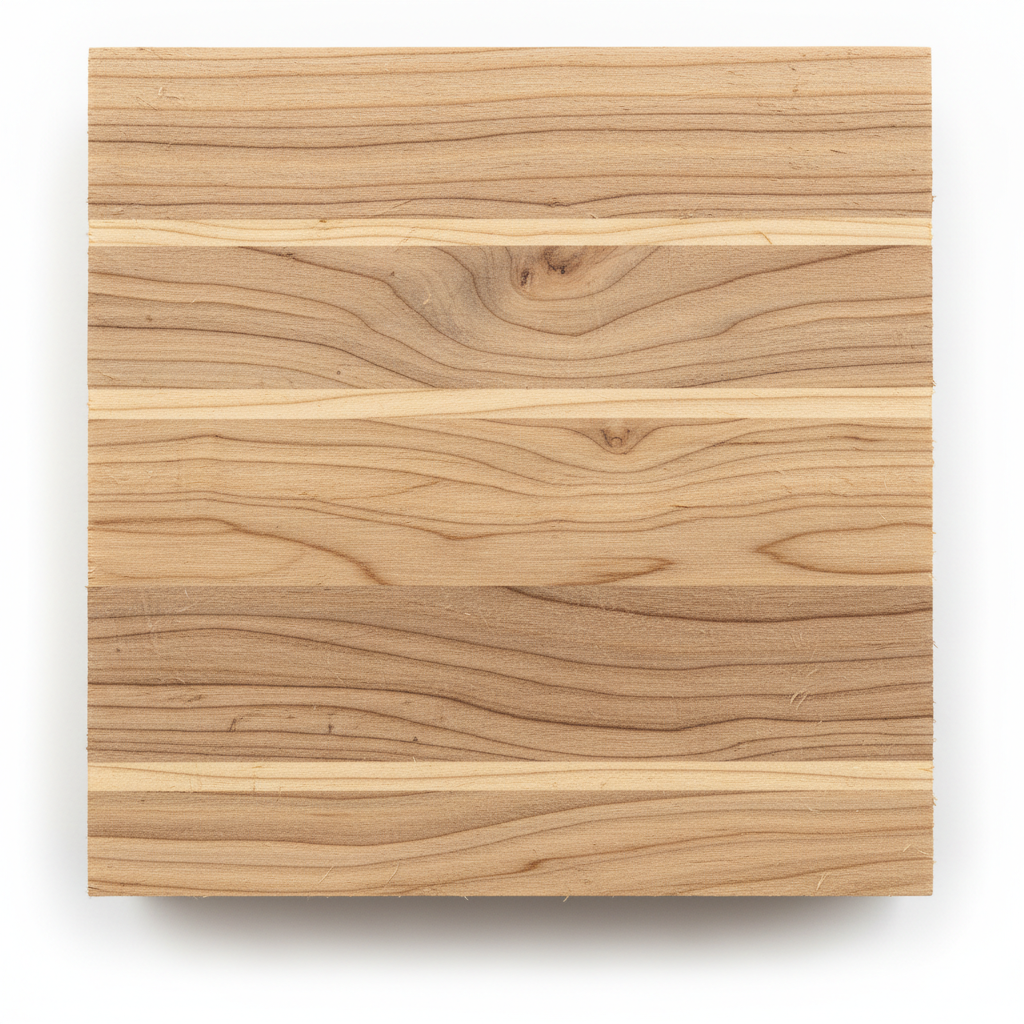
Glulam
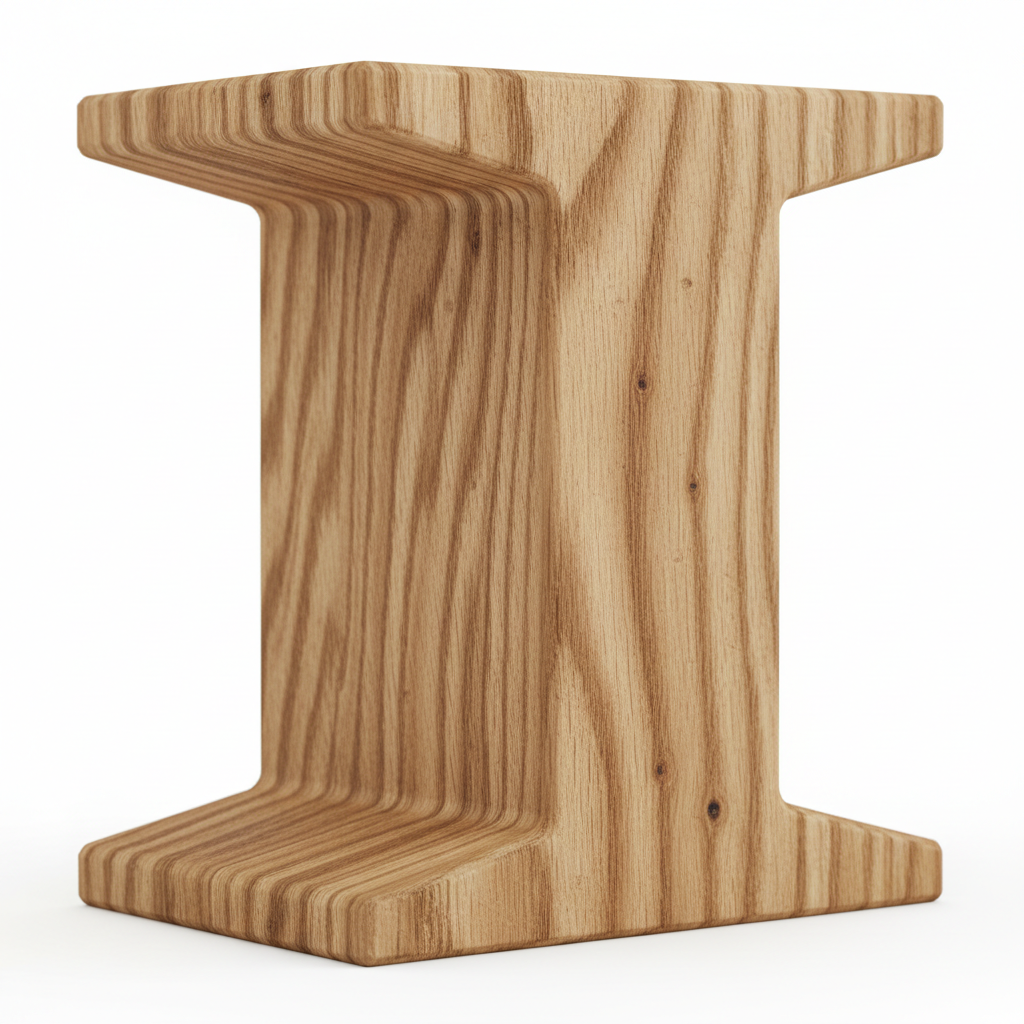
Steel I-Beam
Key Takeaways
- When spanning large openings, builders typically choose between glue-laminated timber (glulam) and steel I-beams.
- While steel has long been the default for heavy loads, glulam offers surprising advantages in fire resistance, aesthetics, and sustainability.
- This comparison covers structural performance, cost, installation, and visual impact for both options.
- Glulam is the better choice for most residential and light commercial applications — it handles typical loads well, looks beautiful exposed, and offers superior fire behavior.
- Steel remains necessary for extreme loads, tight depth constraints, and situations where moisture protection of wood is impractical.
| Property | Glulam | Steel I-Beam |
|---|---|---|
| Strength-To-Weight | Excellent — very efficient | Superior — highest strength |
| Fire Resistance | Good — chars slowly, maintains strength | Poor — loses strength at 1100°F |
| Weight | Moderate | Heavy |
| Aesthetics | Beautiful — can be left exposed | Industrial — usually hidden |
| Avg Cost (20ft Header) | $300–600 | $200–500 |
| Carbon Footprint | Low — sequesters carbon | High — energy-intensive production |
Glulam
Pros
- Beautiful exposed wood aesthetic — no wrapping needed. Superior fire performance — chars predictably without sudden failure. Lower carbon footprint — stores carbon. Lighter than steel — easier to handle on site.
Cons
- Cannot match steel for extreme loads in compact sections. Vulnerable to moisture and decay if not protected. Requires larger cross-sections than steel for equal load. Limited availability in some regions.
Steel I-Beam
Pros
- Highest strength in the smallest cross-section. Proven, well-understood structural engineering. Not affected by moisture, insects, or rot. Available in nearly any size and length.
Cons
- Catastrophic failure in fire — collapses without warning. Must be hidden or wrapped for finished appearance. Heavy — requires equipment for installation. High embodied carbon and energy to produce.
Best Use Cases
Choose Glulam for residential headers, exposed beam applications, projects prioritizing sustainability, and anywhere the beam will be visible in the finished space. Choose Steel when you need maximum span capacity in minimum depth, for extreme loads, or in moisture-prone locations where wood protection is impractical.
Verdict
Glulam is the better choice for most residential and light commercial applications — it handles typical loads well, looks beautiful exposed, and offers superior fire behavior. Steel remains necessary for extreme loads, tight depth constraints, and situations where moisture protection of wood is impractical.