structural
Glulam vs LVL: Engineered Wood Beam Comparison (2026)
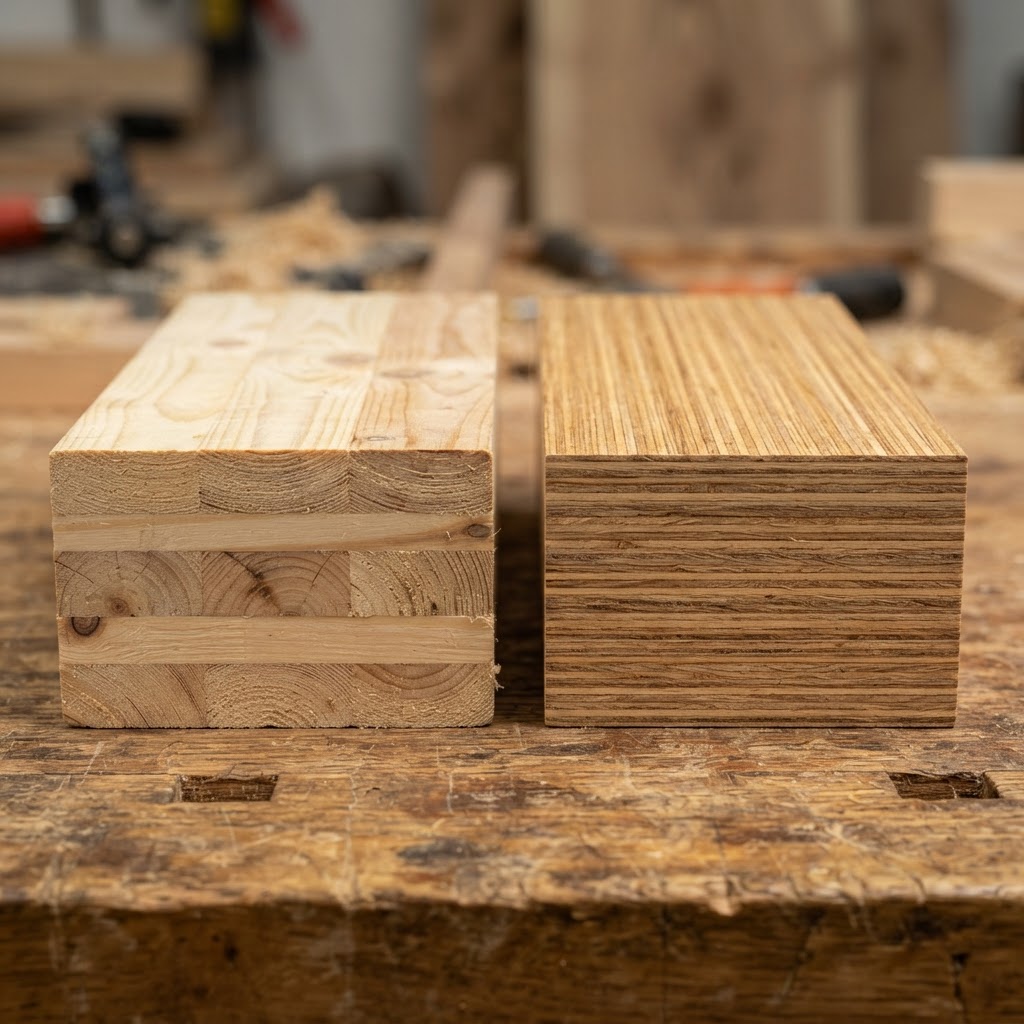
Glulam and LVL are both engineered wood for structural applications. Glulam uses stacked lumber laminations; LVL uses layered veneers. Here's when to use each.
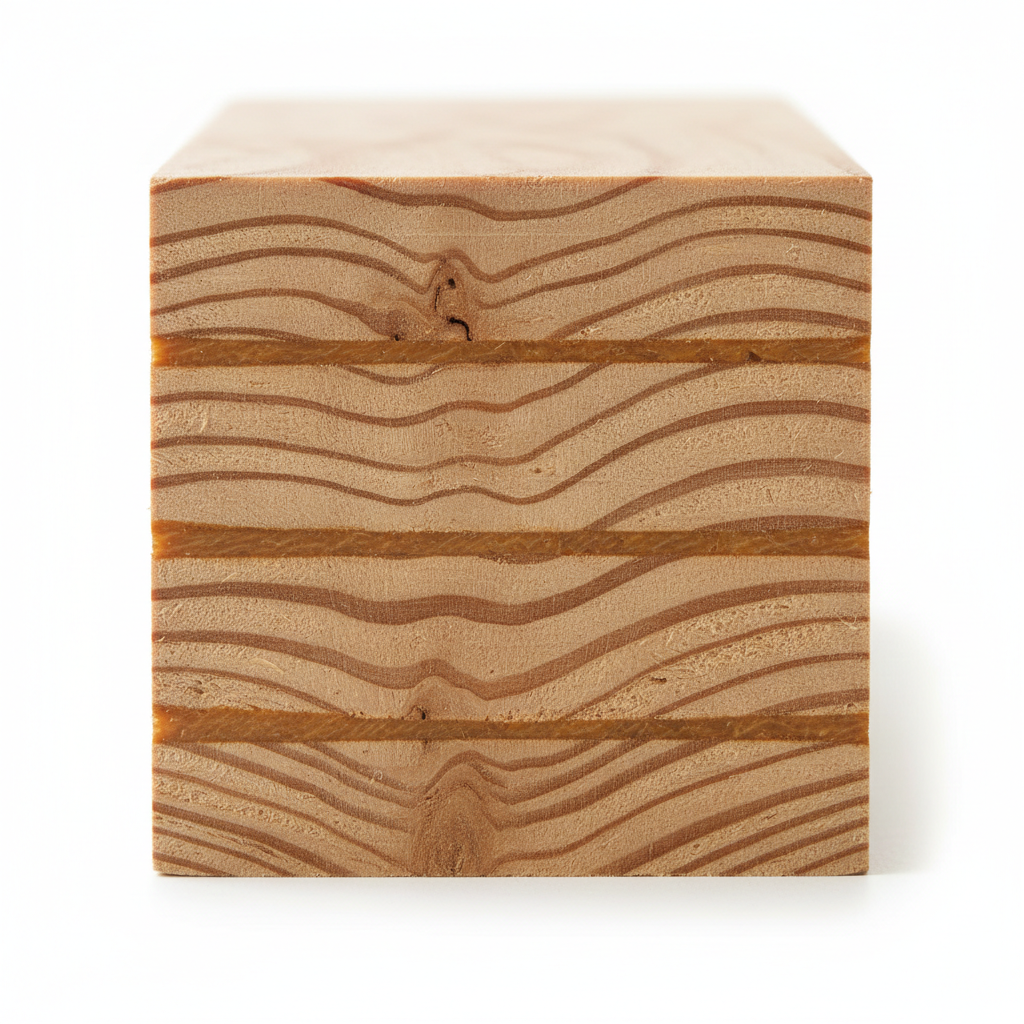
Glulam
vs
vs
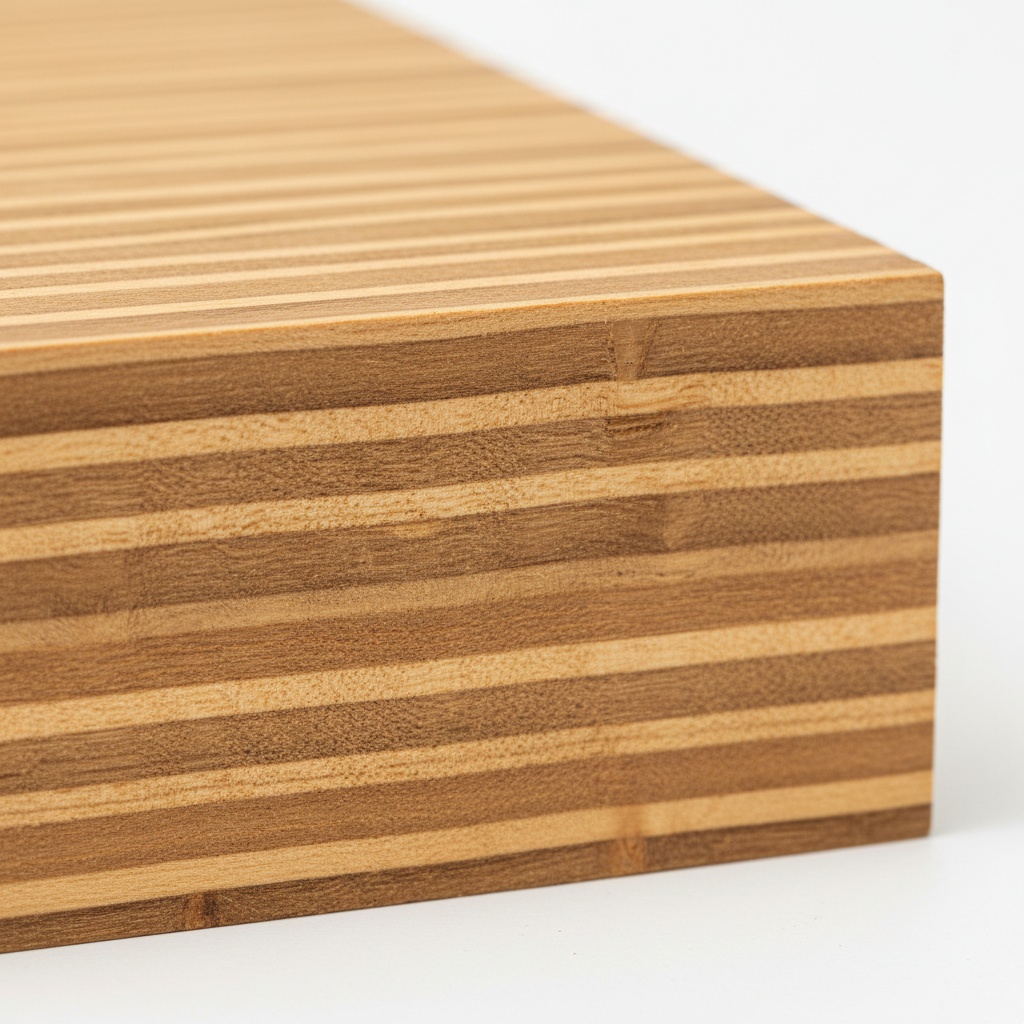
LVL
Key Takeaways
- Glulam and LVL are both engineered wood for structural applications.
- Glulam uses stacked lumber laminations; LVL uses layered veneers.
- Here's when to use each.
- Glulam is the aesthetic architectural choice.
- LVL is the hidden structural workhorse.
| Property | Glulam | LVL |
|---|---|---|
| Construction | Laminated lumber | Laminated veneer |
| Cost/Linear Ft | $4-$12 | $3-$8 |
| Appearance | Attractive exposed | Industrial hidden |
Glulam
Pros
- Beautiful for exposed beams, Can be manufactured curved, Available in outdoor-rated grades, Wide size range
Cons
- More expensive than LVL, Heavier per span, Longer lead times, Needs moisture protection
LVL
Pros
- More affordable for straight beams, Consistent performance, Ready stock sizes, Lighter per strength unit
Cons
- Not attractive for exposed use, Straight only no curves, Limited outdoor use, Must be covered
Best Use Cases
Choose glulam for exposed architectural beams and curves. Choose LVL for concealed beams where cost matters.
Verdict
Glulam is the aesthetic architectural choice. LVL is the hidden structural workhorse.
Frequently Asked Questions
LVL has industrial appearance and is not typically exposed. Glulam is designed for visibility.
Comparable strength. Choice is driven by aesthetics, shape, and cost.
Yes, unique advantage over LVL. Popular for architectural designs.