FSC vs SFI Certified Lumber: 2026 Complete Comparison (2026)
Sustainable forestry certification helps builders and consumers identify responsibly sourced lumber. FSC (Forest Stewardship Council) and SFI (Sustainable Forestry Initiative) are the two major certification systems in North America. Understanding their differences in standards, credibility, and market acceptance helps you make informed purchasing decisions for green building projects.
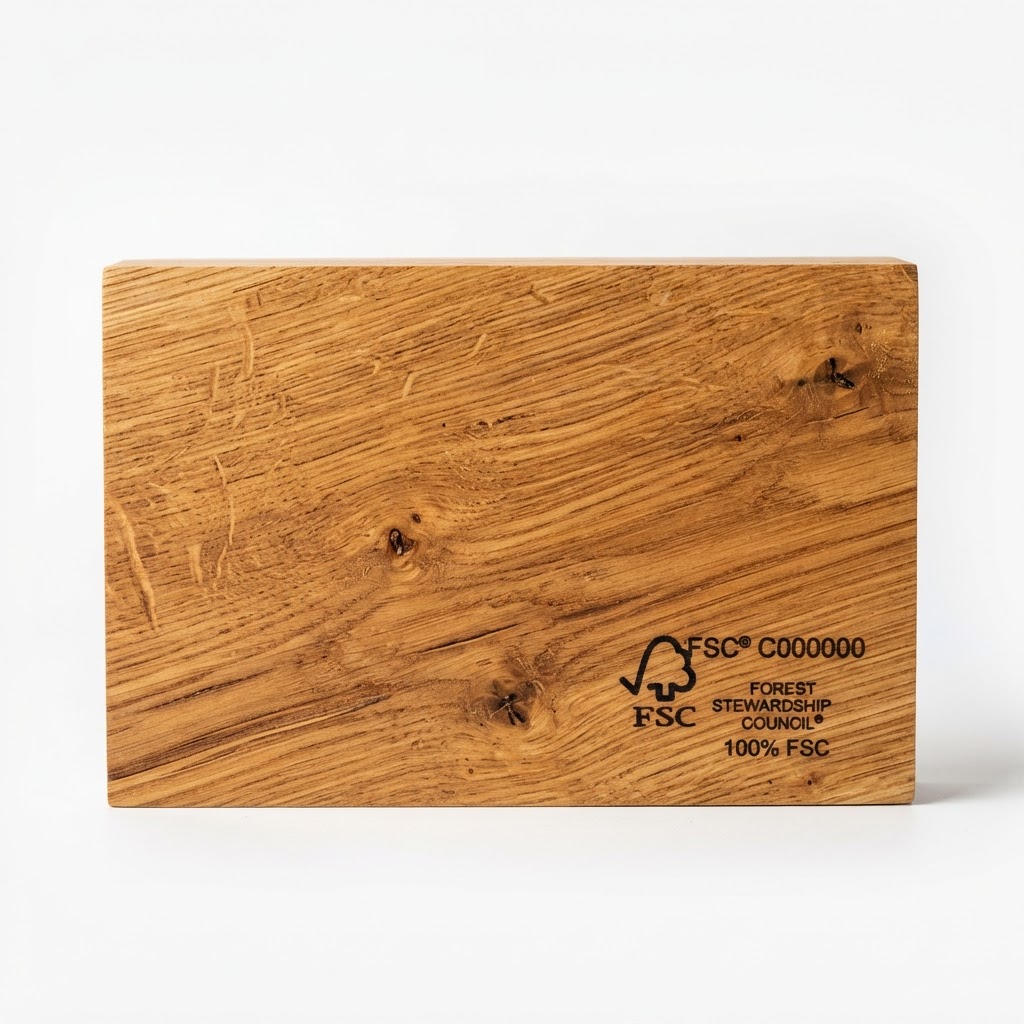
FSC Certified
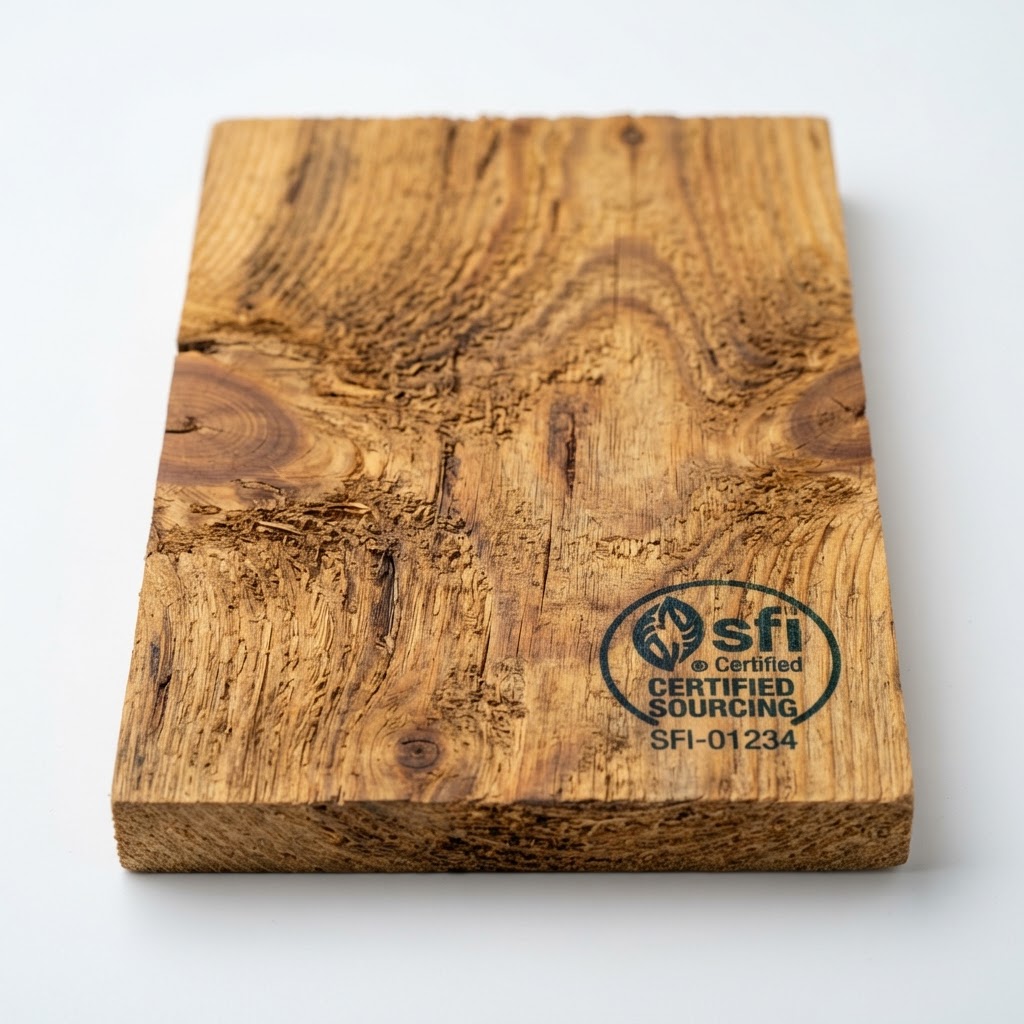
SFI Certified
Key Takeaways
- Sustainable forestry certification helps builders and consumers identify responsibly sourced lumber.
- FSC (Forest Stewardship Council) and SFI (Sustainable Forestry Initiative) are the two major certification systems in North America.
- Understanding their differences in standards, credibility, and market acceptance helps you make informed purchasing decisions for green building projects.
- FSC remains the gold standard for forestry certification, with the strictest environmental and social requirements.
- SFI is a legitimate alternative with broader North American availability and lower premiums.
| Property | FSC Certified | SFI Certified |
|---|---|---|
| Founded | 1993 — international NGO | 1994 — industry initiative |
| Governance | Environmental, social, economic chambers | Multi-stakeholder board |
| Standards Strictness | Most stringent globally | Moderate — regionally adapted |
| LEED Recognition | Full credit recognition | Full credit recognition (LEEDv4.1) |
| N. American Availability | Moderate — less common | High — widely available |
| Price Premium | 10–25% over conventional | 5–15% over conventional |
FSC Certified
Pros
- Most stringent and internationally recognized certification. Strong environmental, social, and indigenous rights protections. Required by many green building programs worldwide. Independent third-party governance.
Cons
- Higher price premium for certified products. Less available in North America than SFI. Can be complex and expensive for forest owners to obtain. Smaller certified land base in the US and Canada.
SFI Certified
Pros
- More widely available in North American markets. Lower price premium than FSC. Larger certified forest base in the US and Canada. Now recognized by LEED v4.1 for credits.
Cons
- Historically viewed as less stringent than FSC. Founded by the forest products industry — perceived bias. Less international recognition. Some environmental groups do not endorse it.
Best Use Cases
Choose FSC when your project requires the highest internationally recognized sustainability standard, when seeking LEED or other green building credits, or when clients demand the most rigorous environmental certification. Choose SFI when you need readily available certified lumber in North America at a lower premium, or when FSC-certified species are not available in your region.
Verdict
FSC remains the gold standard for forestry certification, with the strictest environmental and social requirements. SFI is a legitimate alternative with broader North American availability and lower premiums. Both certifications are significantly better than uncertified lumber. For the highest credibility with environmentally conscious clients, FSC is preferred. --- **Certification disclaimer:** FSC certification applies only to products and supply chains specifically certified under the applicable FSC program. References to FSC-certified products on Lumberama do not mean that Lumberama itself is FSC certified, or that all products, suppliers, or materials listed on Lumberama are FSC certified. Verify certification and availability for the specific product and supplier before purchase.