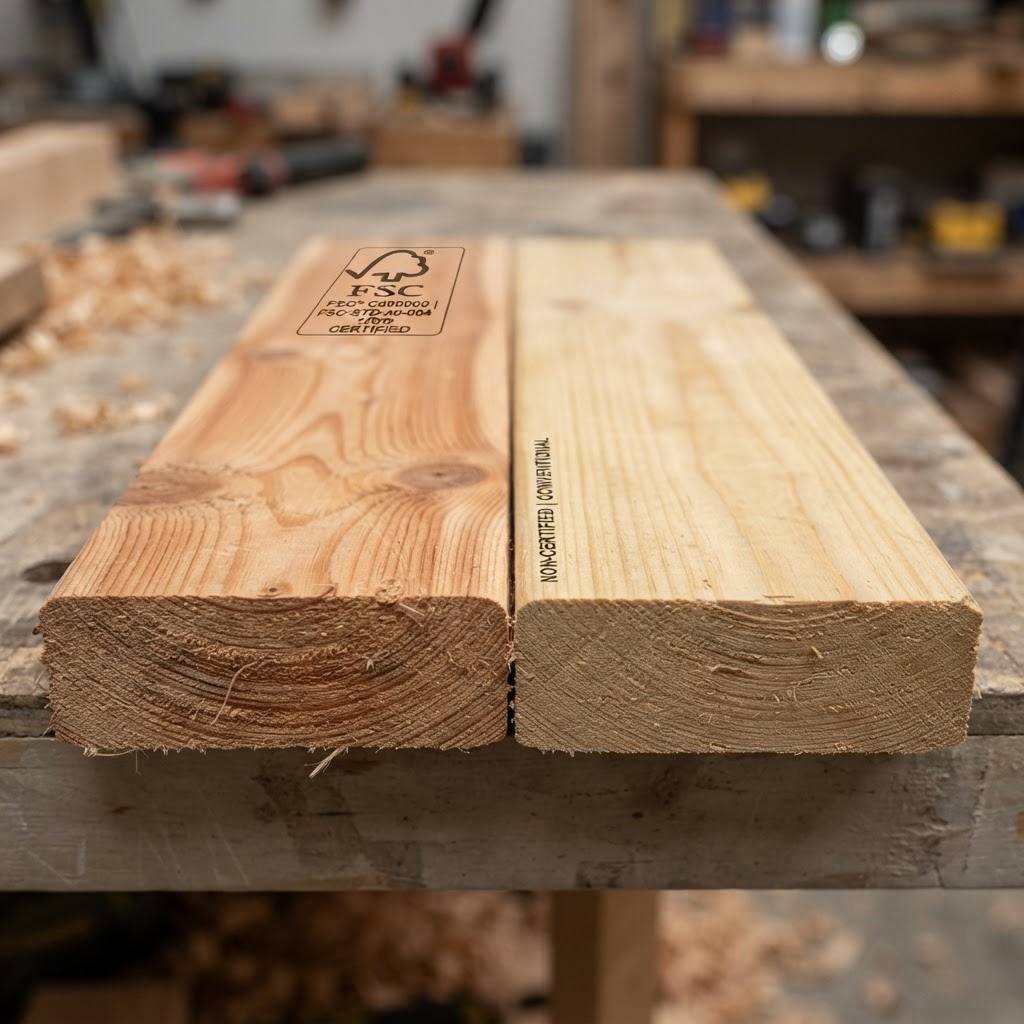
FSC-Certified vs Non-Certified Lumber: Is It Worth It? (2026)
FSC certification guarantees lumber comes from responsibly managed forests. But it costs more and can be harder to find. Here's when it matters.
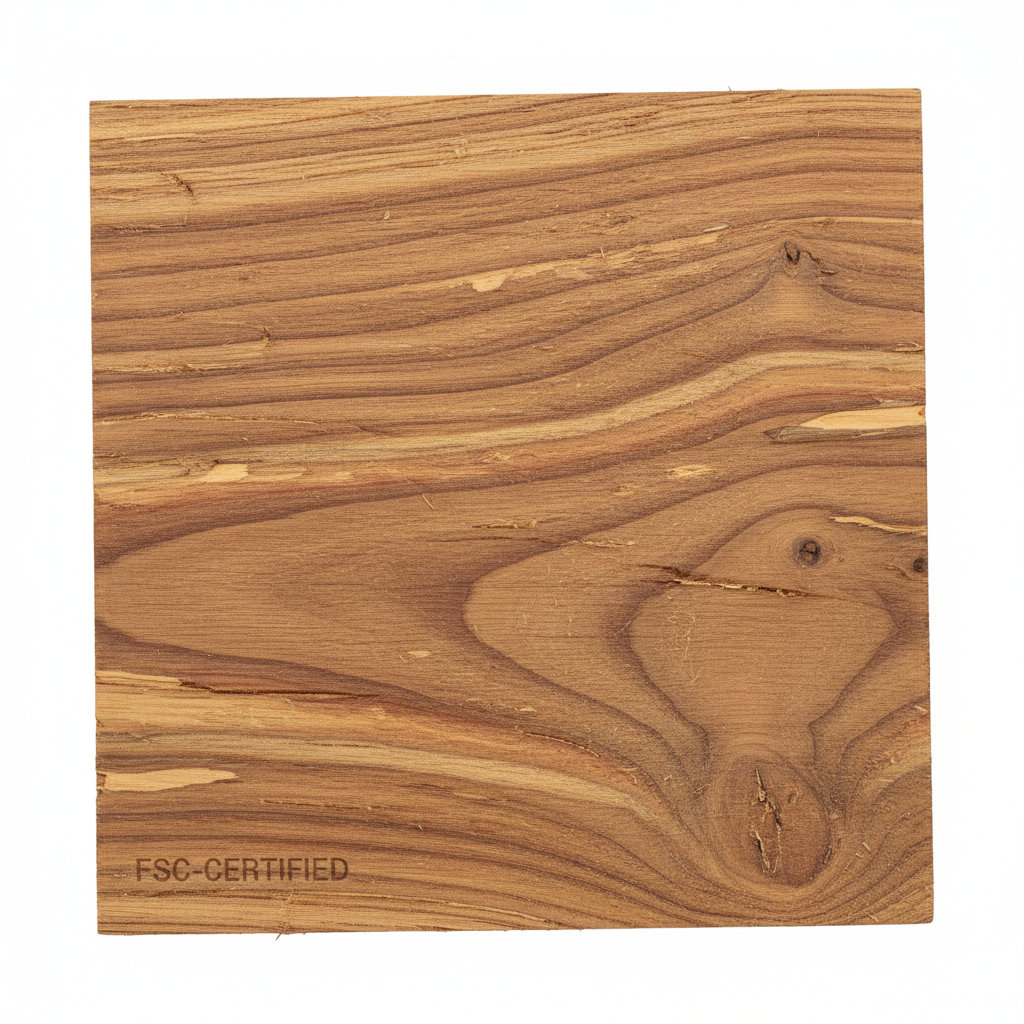
FSC-Certified Lumber
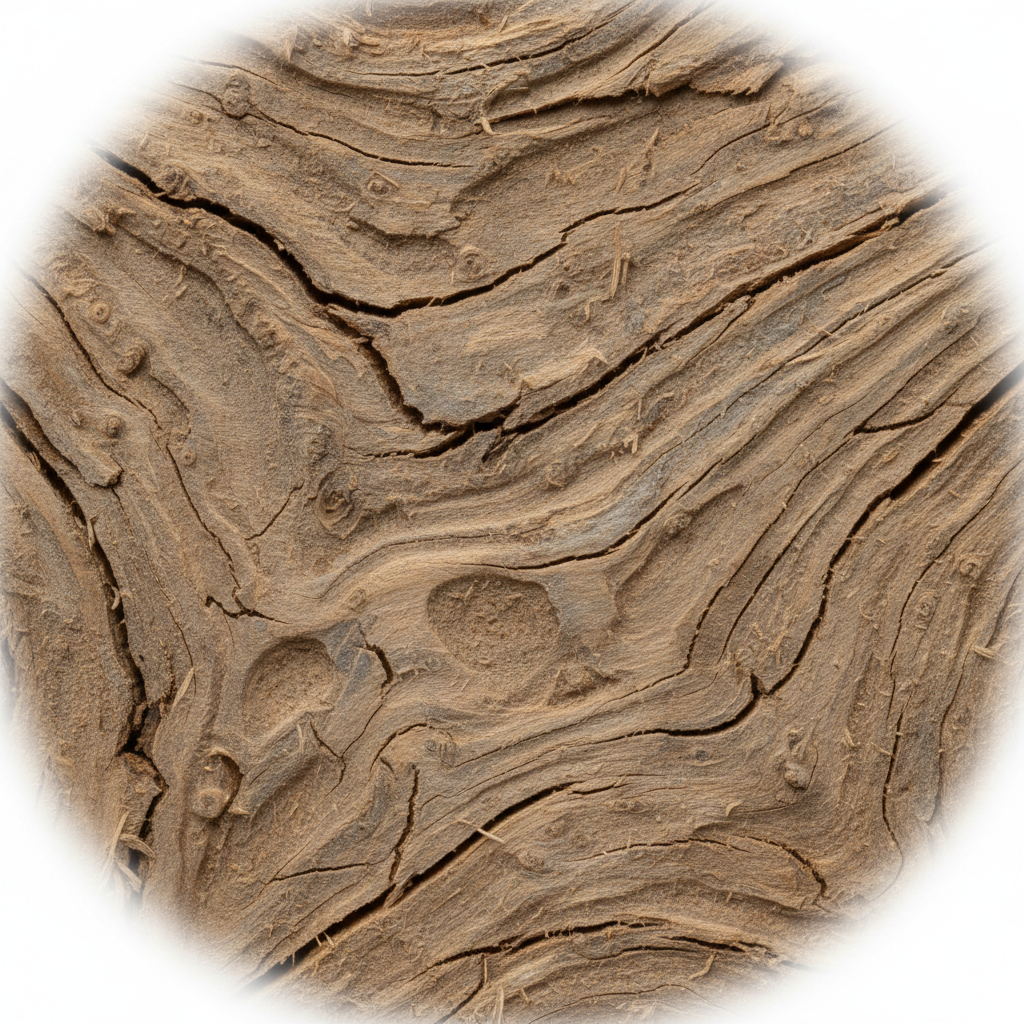
Non-Certified Lumber
Key Takeaways
- FSC certification guarantees lumber comes from responsibly managed forests.
- But it costs more and can be harder to find.
- Here's when it matters.
- FSC matters most for exotic tropical hardwoods where illegal logging is a concern.
- For domestic species buying from reputable suppliers is sufficient.
| Property | FSC-Certified Lumber | Non-Certified Lumber |
|---|---|---|
| Cost Premium | 10-30% more | Standard pricing |
| Sustainability | Third-party verified | Unknown/variable |
| LEED Points | Yes | No |
FSC-Certified Lumber
Pros
- Guaranteed sustainable sourcing, Supports responsible forestry, Qualifies for LEED points, Full chain-of-custody tracking
Cons
- 10-30% price premium, Limited species and sizes, Sometimes longer lead times, Same physical quality
Non-Certified Lumber
Pros
- Lower cost, Full variety available, Readily available everywhere, May still be sustainable
Cons
- No verified sustainability, No LEED contribution, No chain-of-custody, May be poorly sourced
Best Use Cases
Choose FSC for LEED projects and tropical hardwoods. Non-certified is fine for domestic species from reputable suppliers.
Verdict
FSC matters most for exotic tropical hardwoods where illegal logging is a concern. For domestic species buying from reputable suppliers is sufficient. --- **Certification disclaimer:** FSC certification applies only to products and supply chains specifically certified under the applicable FSC program. References to FSC-certified products on Lumberama do not mean that Lumberama itself is FSC certified, or that all products, suppliers, or materials listed on Lumberama are FSC certified. Verify certification and availability for the specific product and supplier before purchase.