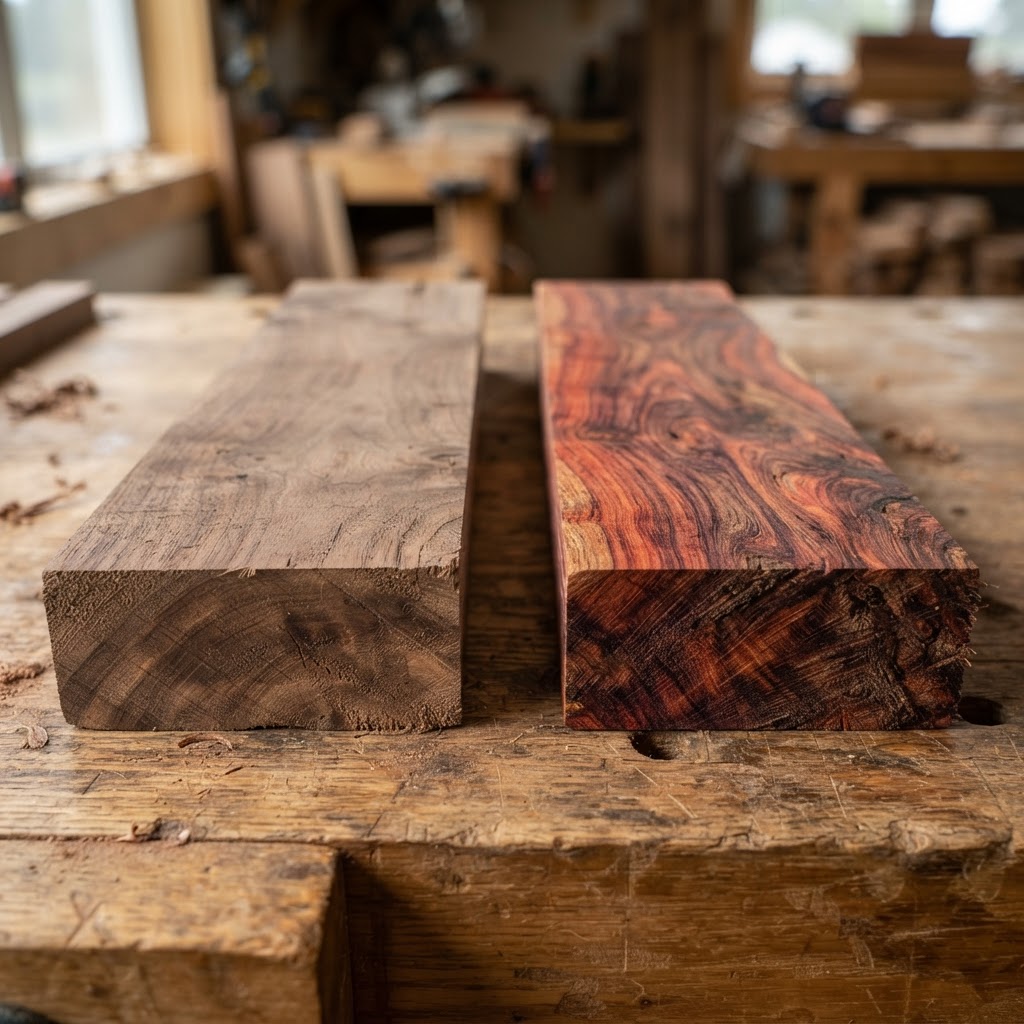
structural
Domestic vs Exotic Lumber: Cost, Quality & Sustainability (2026)
Exotic species often offer extreme hardness and stunning beauty, while domestic woods provide good value with a smaller environmental footprint.
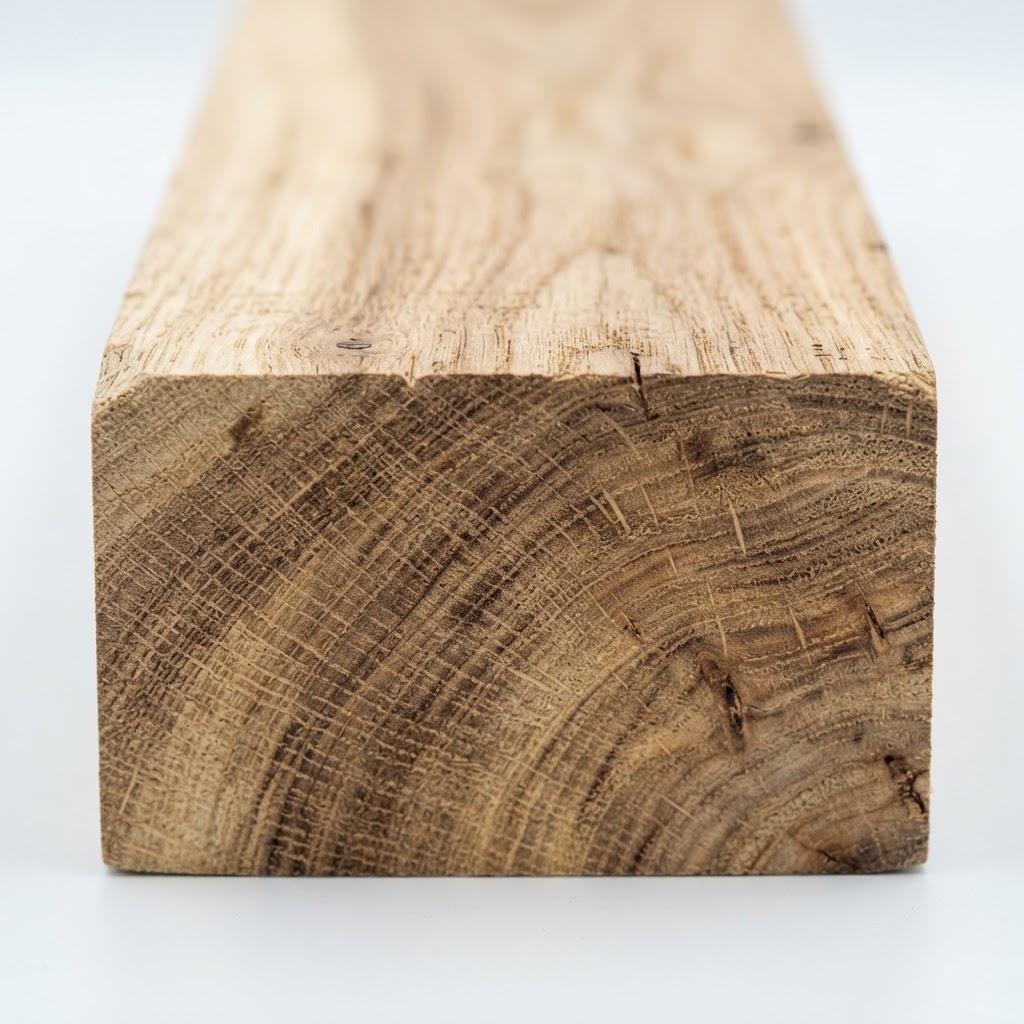
Domestic Lumber
vs
vs
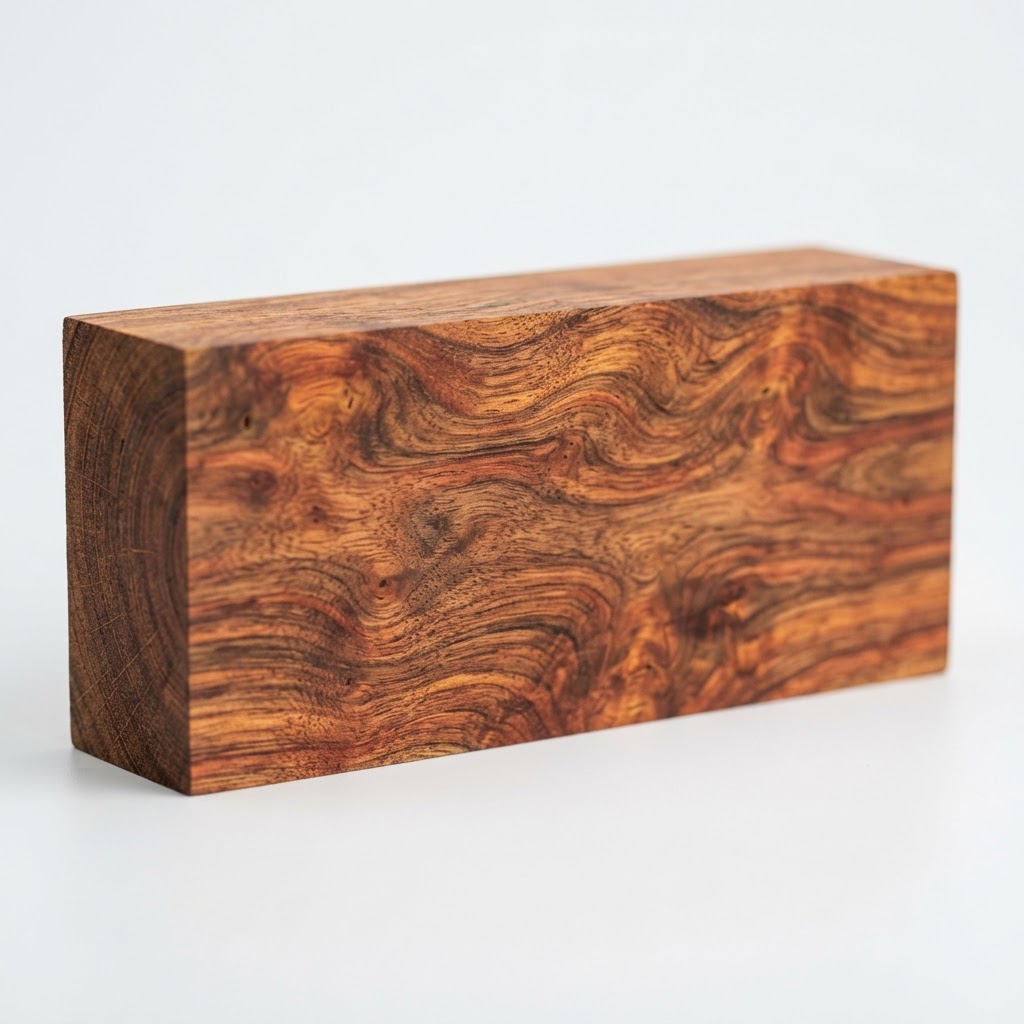
Exotic Lumber
Key Takeaways
- Exotic species often offer extreme hardness and stunning beauty, while domestic woods provide good value with a smaller environmental footprint.
- Domestic lumber serves 90% of needs at better value.
- Exotic is justified for outdoor durability and show-stopping design.
- Choose domestic for most projects.
- Choose exotic when extreme durability or unique aesthetics are essential.
| Property | Domestic Lumber | Exotic Lumber |
|---|---|---|
| Cost/Board Ft | $3-$12 | $8-$35+ |
| Hardness Range | 400-1,820 lbf | 1,000-3,680+ lbf |
| Environmental | Lower impact | Higher impact |
Domestic Lumber
Pros
- More affordable, Lower environmental footprint, Short supply chain, Well-regulated forestry
Cons
- Less extreme hardness, Fewer unique colors, May lack wow factor, Limited natural rot resistance
Exotic Lumber
Pros
- Exceptional hardness and durability, Stunning unique aesthetics, Natural rot/insect resistance, Multi-decade lifespan
Cons
- Much more expensive, Sustainability concerns, Difficult to work, Long lead times
Best Use Cases
Choose domestic for most projects. Choose exotic when extreme durability or unique aesthetics are essential.
Verdict
Domestic lumber serves 90% of needs at better value. Exotic is justified for outdoor durability and show-stopping design.
Frequently Asked Questions
For outdoor decking (Ipe, Cumaru), high-traffic flooring, and feature furniture pieces.
With FSC certification yes. Plantation-grown teak and acacia are generally more sustainable.
Hickory (1,820 Janka) is hardest domestic but still far below Ipe (3,680).