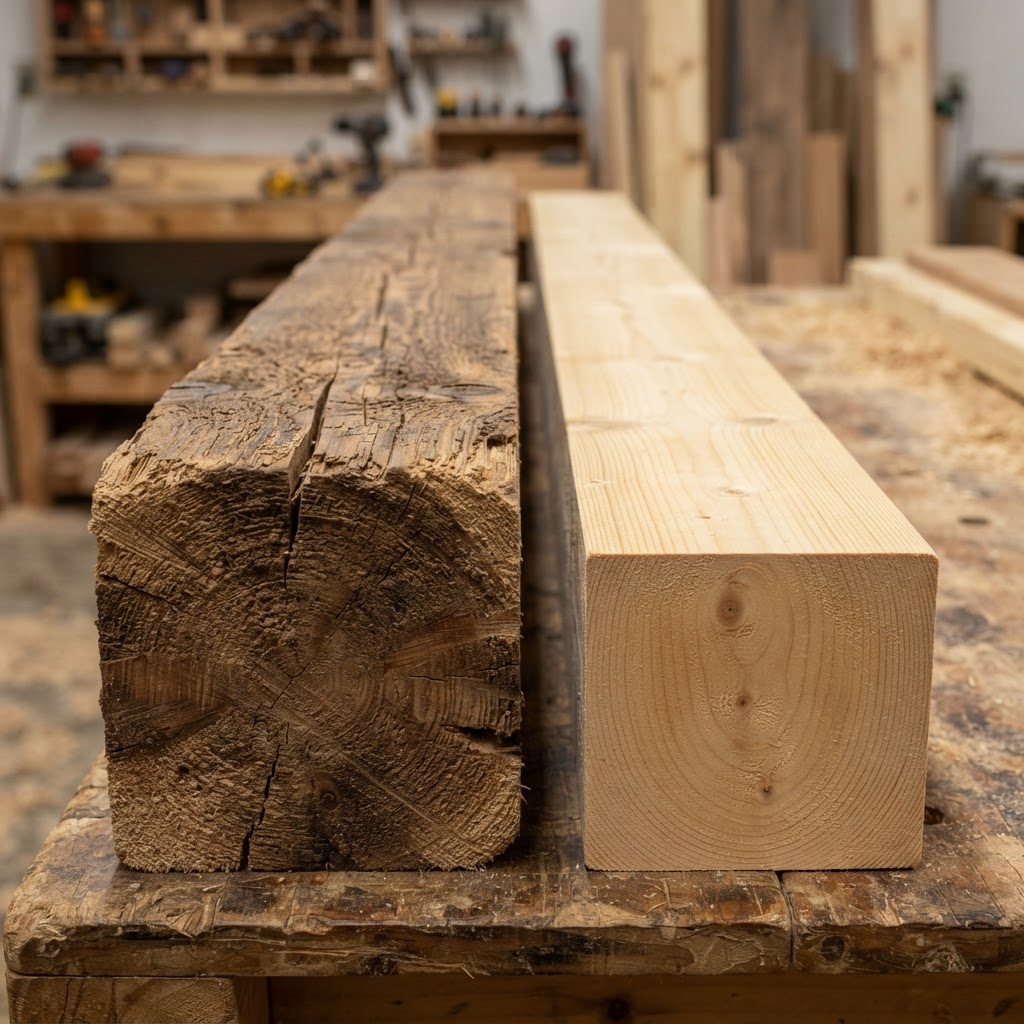
structural
Dimensional Lumber vs Timber: Size, Strength & Uses (2026)
Dimensional lumber covers standard framing sizes (2x4 through 2x12), while timber refers to larger cross-section pieces (5x5+) for heavy structural work.
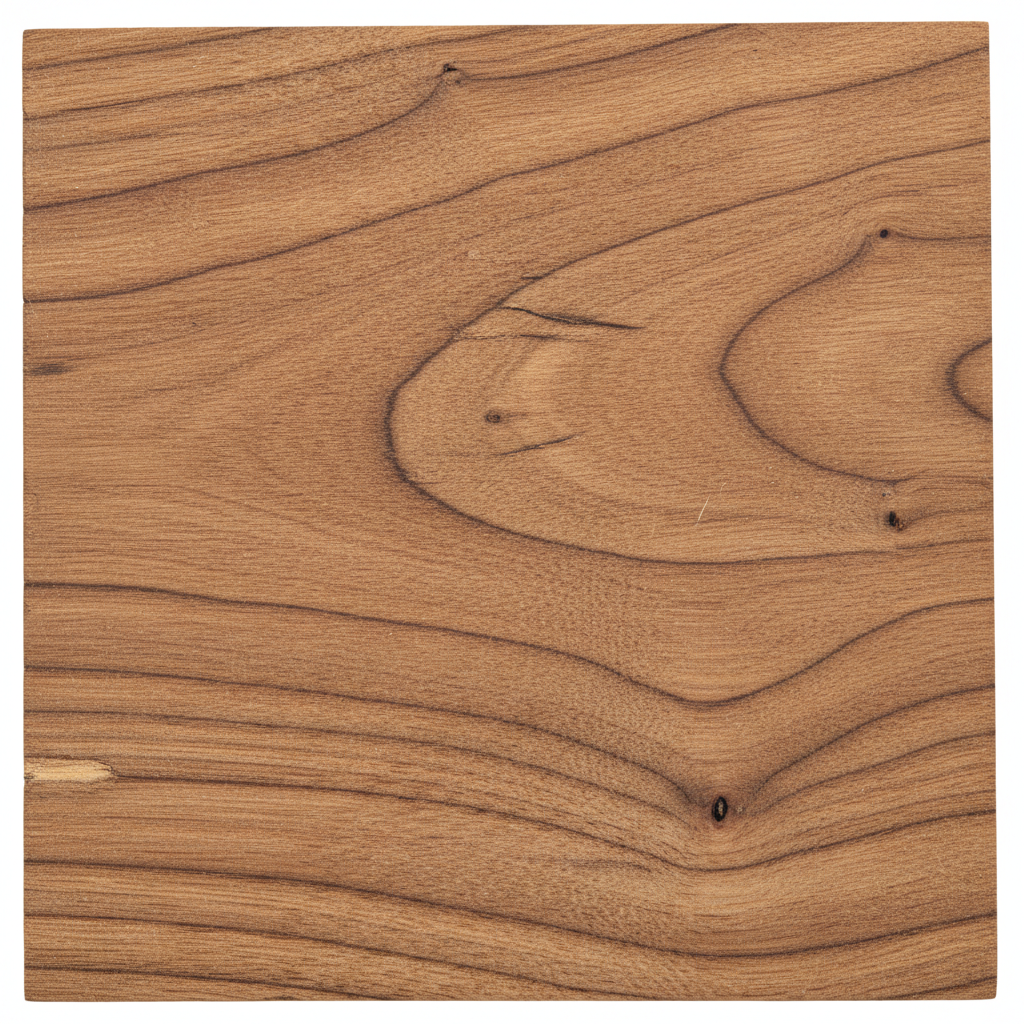
Dimensional Lumber
vs
vs
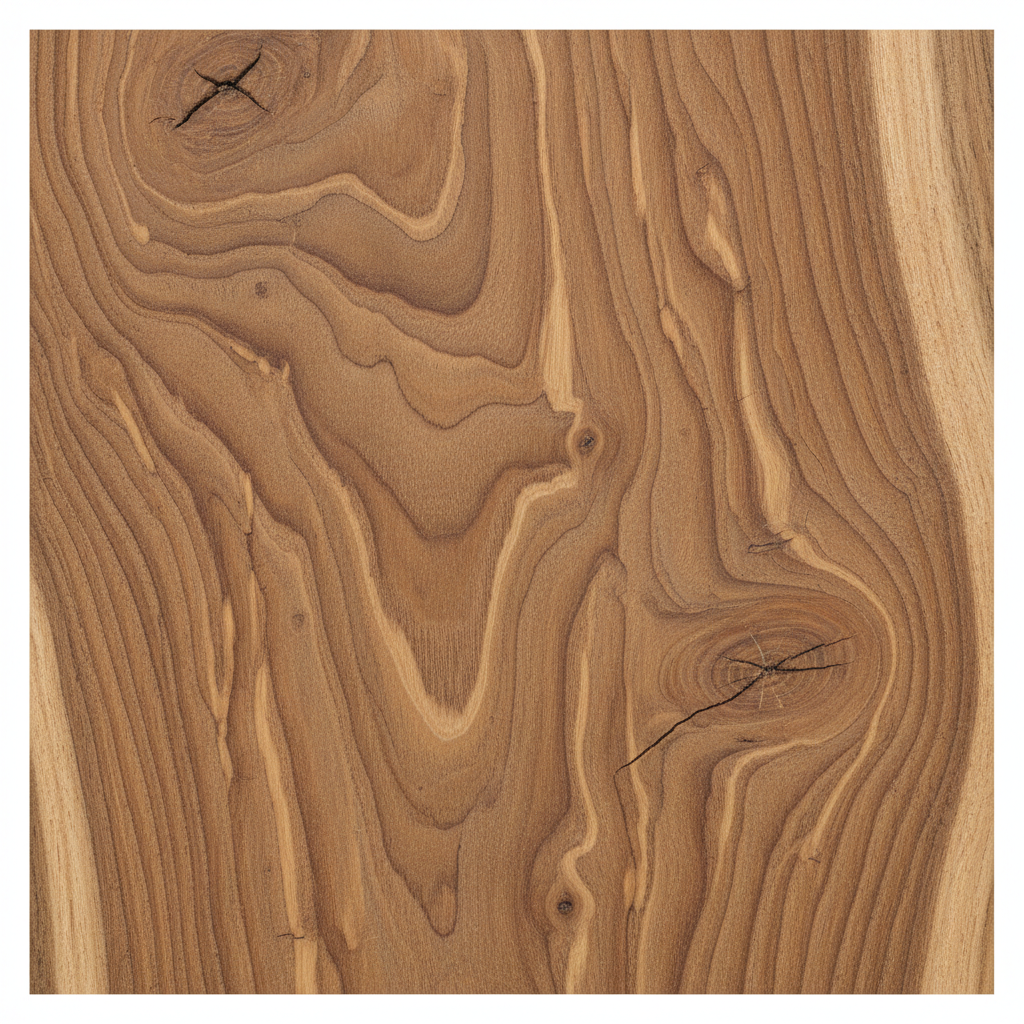
Timber
Key Takeaways
- Dimensional lumber covers standard framing sizes (2x4 through 2x12), while timber refers to larger cross-section pieces (5x5+) for heavy structural work.
- Dimensional lumber handles 90% of residential construction.
- Timber is for specialized heavy structural and architectural work.
- Use dimensional lumber for standard residential framing.
- Use timber for post-and-beam and heavy structural applications.
| Property | Dimensional Lumber | Timber |
|---|---|---|
| Size | 2x4 through 2x12 | 5x5 and larger |
| Common Use | Wall framing, joists | Posts, beams |
| Availability | Every lumber yard | Specialty/special order |
Dimensional Lumber
Pros
- Universally available, Standardized sizes, Most affordable structural wood, Easy to handle
Cons
- Limited to standard sizes, Not for long spans alone, Inconsistent quality, Prone to warping
Timber
Pros
- Heavy load-bearing capacity, Beautiful for exposed work, Significant span distances, Traditional craftsmanship
Cons
- Expensive and harder to source, Very heavy needs equipment, Longer lead times, Requires specialized joinery
Best Use Cases
Use dimensional lumber for standard residential framing. Use timber for post-and-beam and heavy structural applications.
Verdict
Dimensional lumber handles 90% of residential construction. Timber is for specialized heavy structural and architectural work.
Frequently Asked Questions
Generally wood members 5 inches or larger in cross-section are classified as timber.
Not per unit. Same species same strength. Timber's larger cross-section carries more load.
Specialty lumber yards, timber frame suppliers, and large building material retailers.