Cypress vs Cedar for Siding: 2026 Complete Comparison (2026)
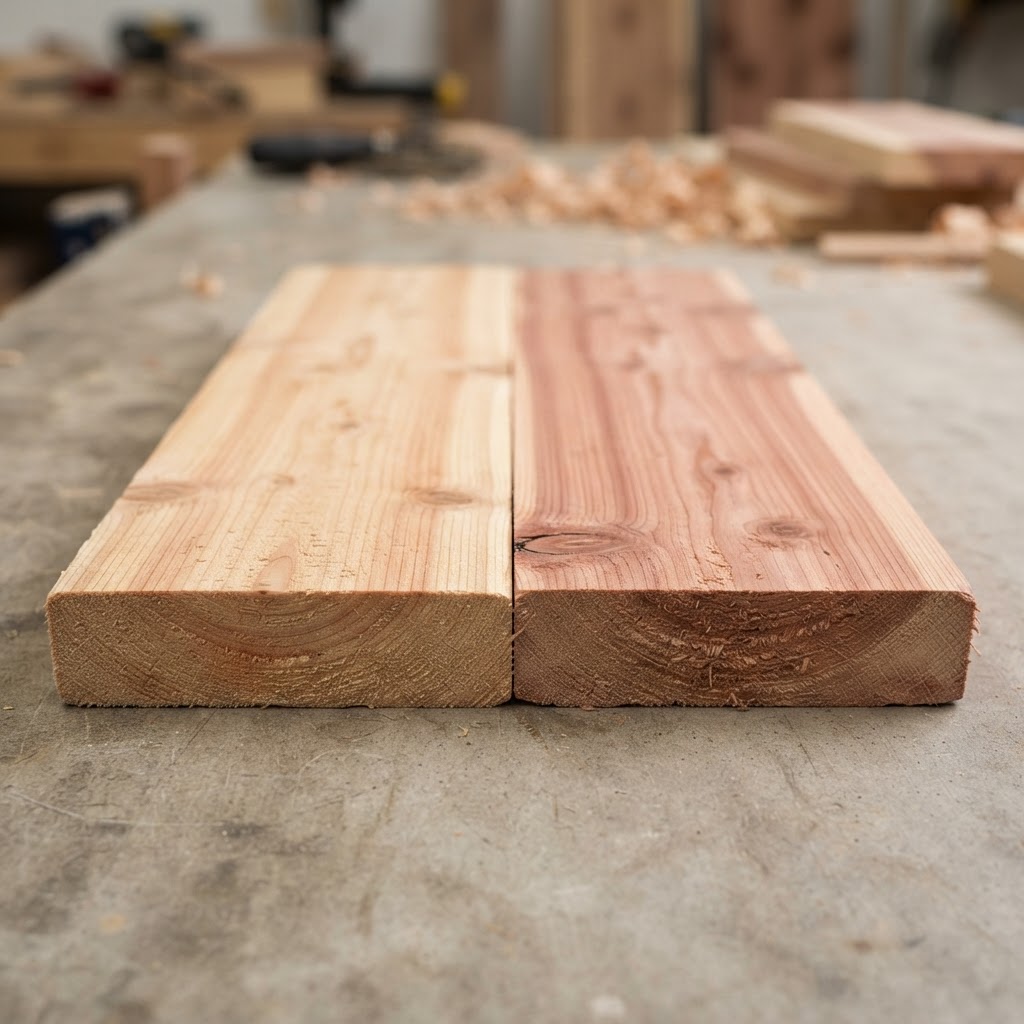
Cypress and Cedar are both naturally decay-resistant softwoods that make excellent exterior siding, but they come from very different regions and offer distinct characteristics. Cypress is the southeastern US standard with exceptional rot resistance, while Cedar dominates the Pacific Northwest and nationwide markets. This comparison helps you choose between these two premium siding woods.
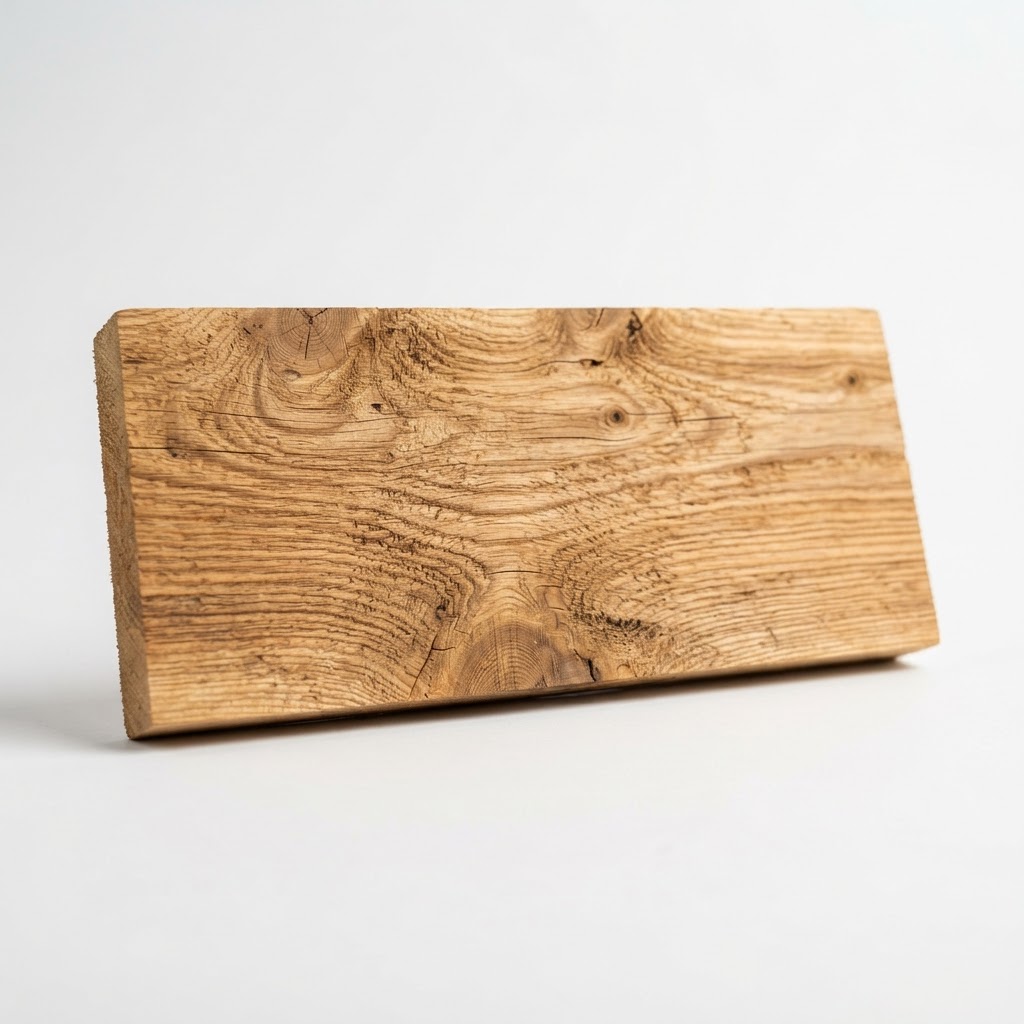
Cypress
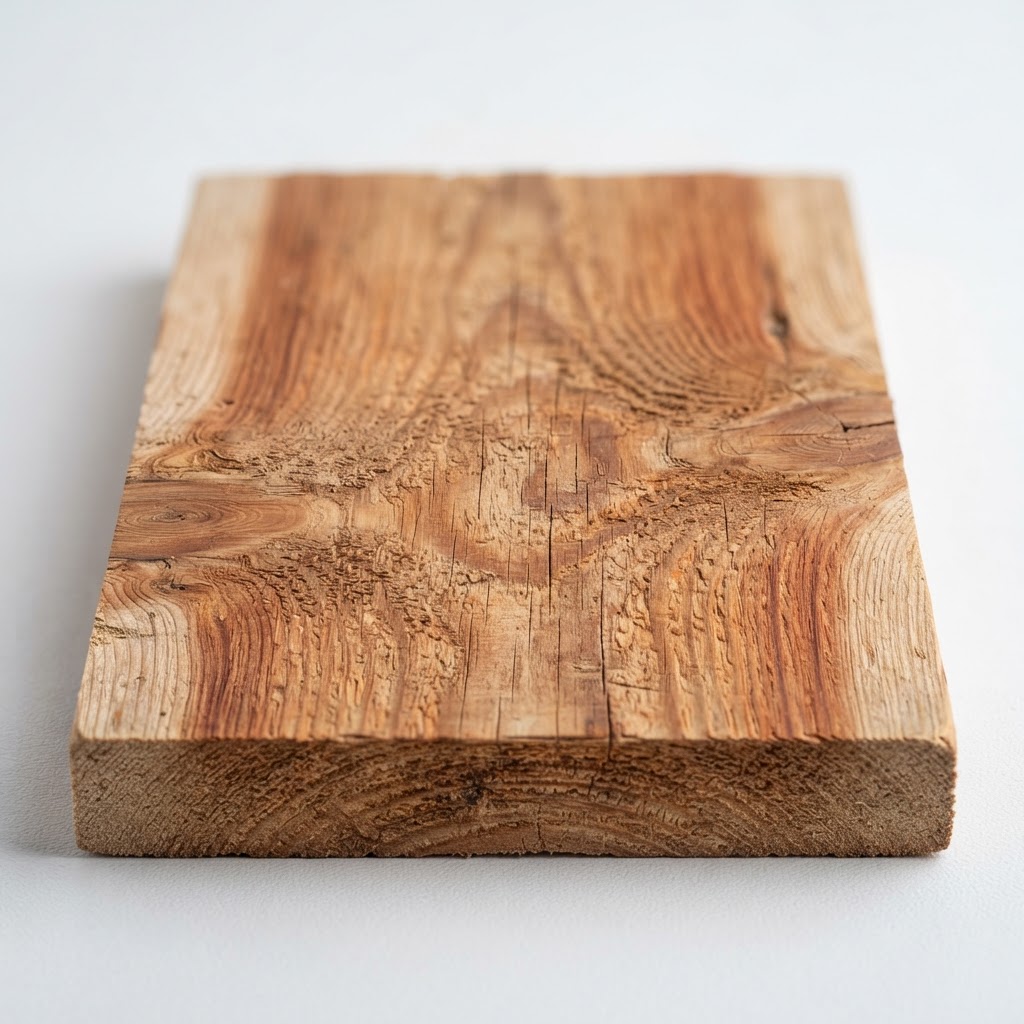
Cedar
Key Takeaways
- Cypress and Cedar are both naturally decay-resistant softwoods that make excellent exterior siding, but they come from very different regions and offer distinct characteristics.
- Cypress is the southeastern US standard with exceptional rot resistance, while Cedar dominates the Pacific Northwest and nationwide markets.
- This comparison helps you choose between these two premium siding woods.
- In the southeastern US, Cypress is the better siding choice — its superior hardness and decay resistance are ideal for the hot, humid climate.
- Elsewhere in the country, Cedar's wider availability and proven performance make it the practical choice.
| Property | Cypress | Cedar |
|---|---|---|
| Decay Resistance | Excellent — old-growth superior | Very good — heartwood |
| Hardness (Janka) | 510 lbf | 350 lbf |
| Dimensional Stability | Excellent | Excellent |
| Avg Cost (Installed/Sq Ft) | $6–11 | $6–12 |
| Regional Availability | Southeast US primarily | Nationwide |
| Paint/Stain Holding | Excellent | Very good |
Cypress
Pros
- Superior decay resistance — especially old-growth Cypress. Harder than Cedar — better dent and impact resistance. Holds paint and stain exceptionally well. Historically proven in humid, wet climates.
Cons
- Limited availability outside the southeastern US. Old-growth Cypress is scarce and expensive. Second-growth Cypress is less rot-resistant. Heavier than Cedar.
Cedar
Pros
- Available nationwide with consistent supply. Lighter weight — easier to handle and install. Natural insulating properties. Beautiful natural color and aroma.
Cons
- Softer — dents more easily from impacts. Does not hold paint as long as Cypress. Sapwood has poor decay resistance. Requires more frequent refinishing.
Best Use Cases
Choose Cypress if you are in the southeastern US, want maximum decay resistance in humid climates, or plan to paint your siding. Choose Cedar for nationwide availability, lighter weight, natural wood aesthetics, and when you prefer a stained or natural finish.
Verdict
In the southeastern US, Cypress is the better siding choice — its superior hardness and decay resistance are ideal for the hot, humid climate. Elsewhere in the country, Cedar's wider availability and proven performance make it the practical choice. Both are excellent natural siding materials that will last decades with proper maintenance.