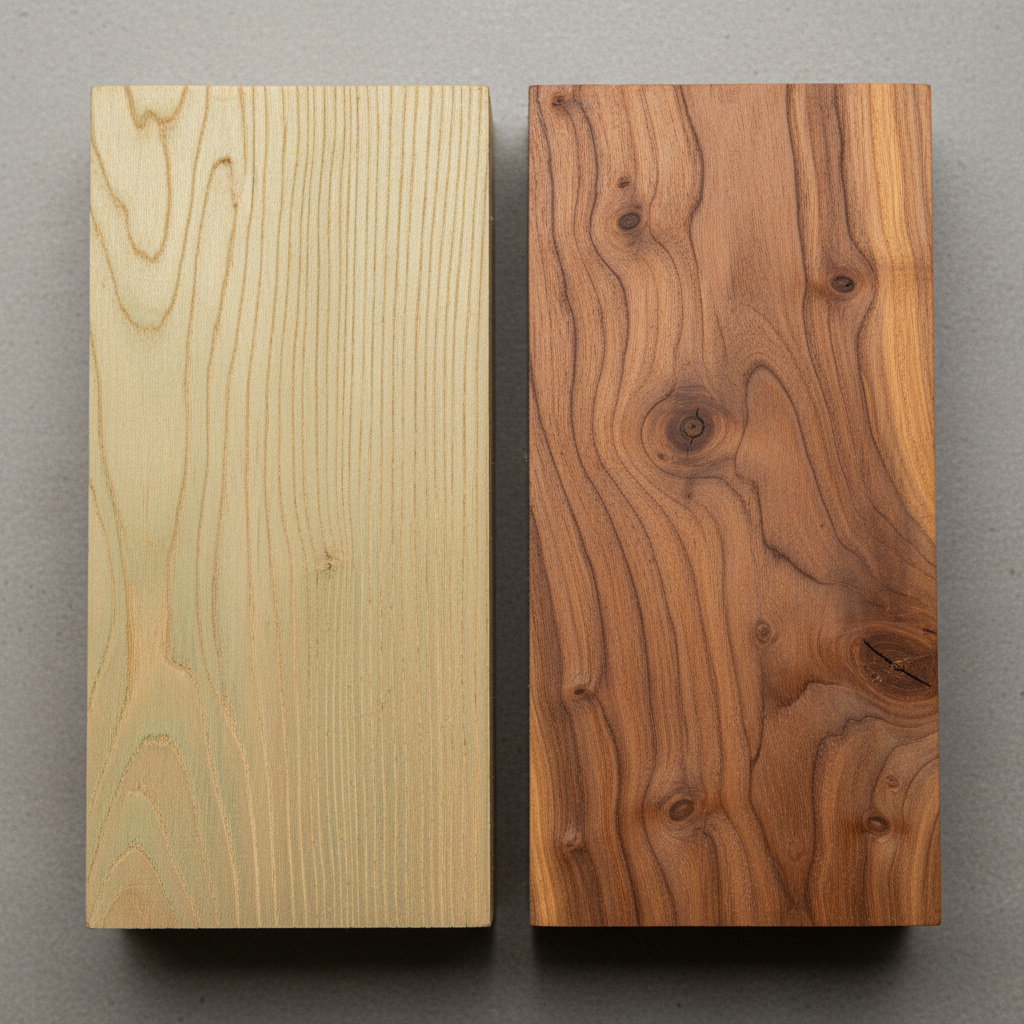
Cypress vs Cedar for Docks: Decking, Supports and Exposure (2026)
A dock is several applications, not one wood choice. Separate walking surfaces from framing, connections and pilings, then identify freshwater, salt or brackish water and wetting conditions. This comparison concerns baldcypress (Taxodium distichum) and western redcedar (Thuja plicata); ask suppliers to confirm the species rather than relying on the broad names cypress or cedar.
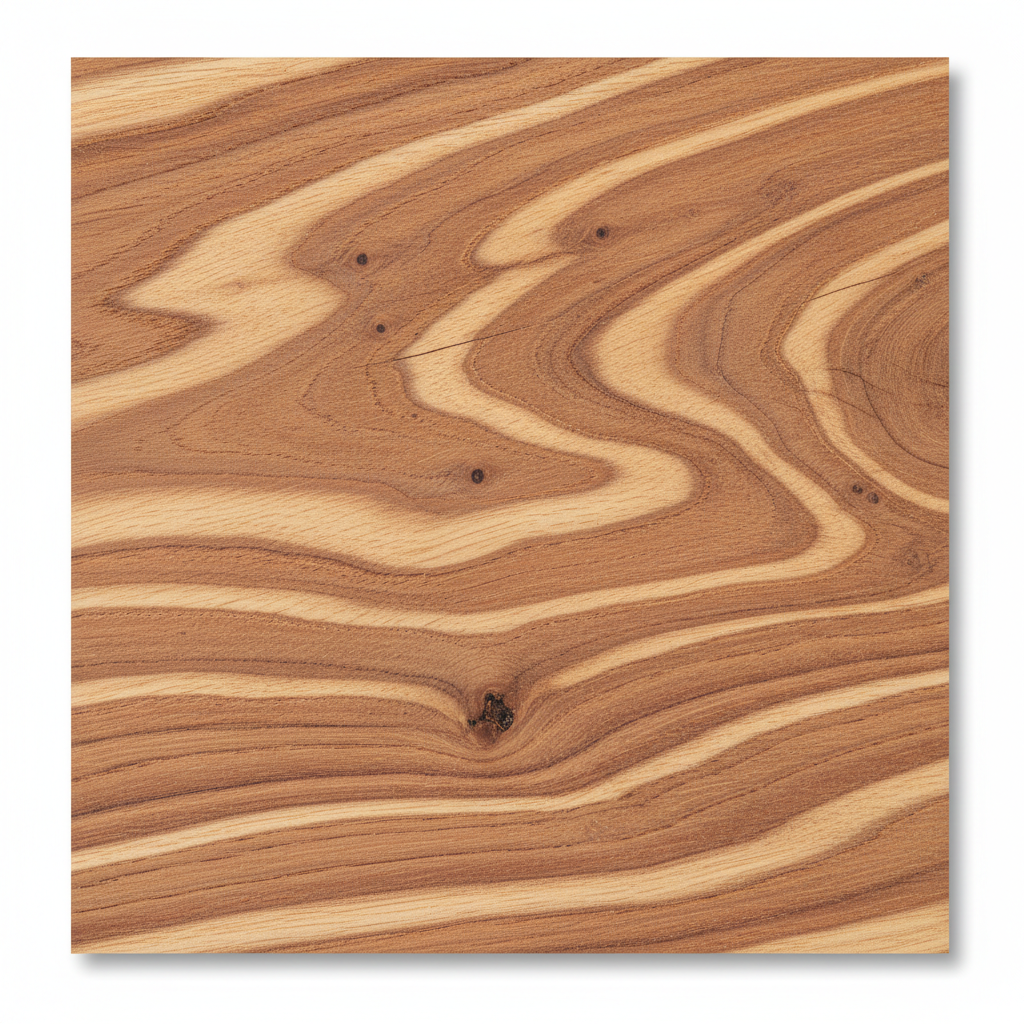
Baldcypress
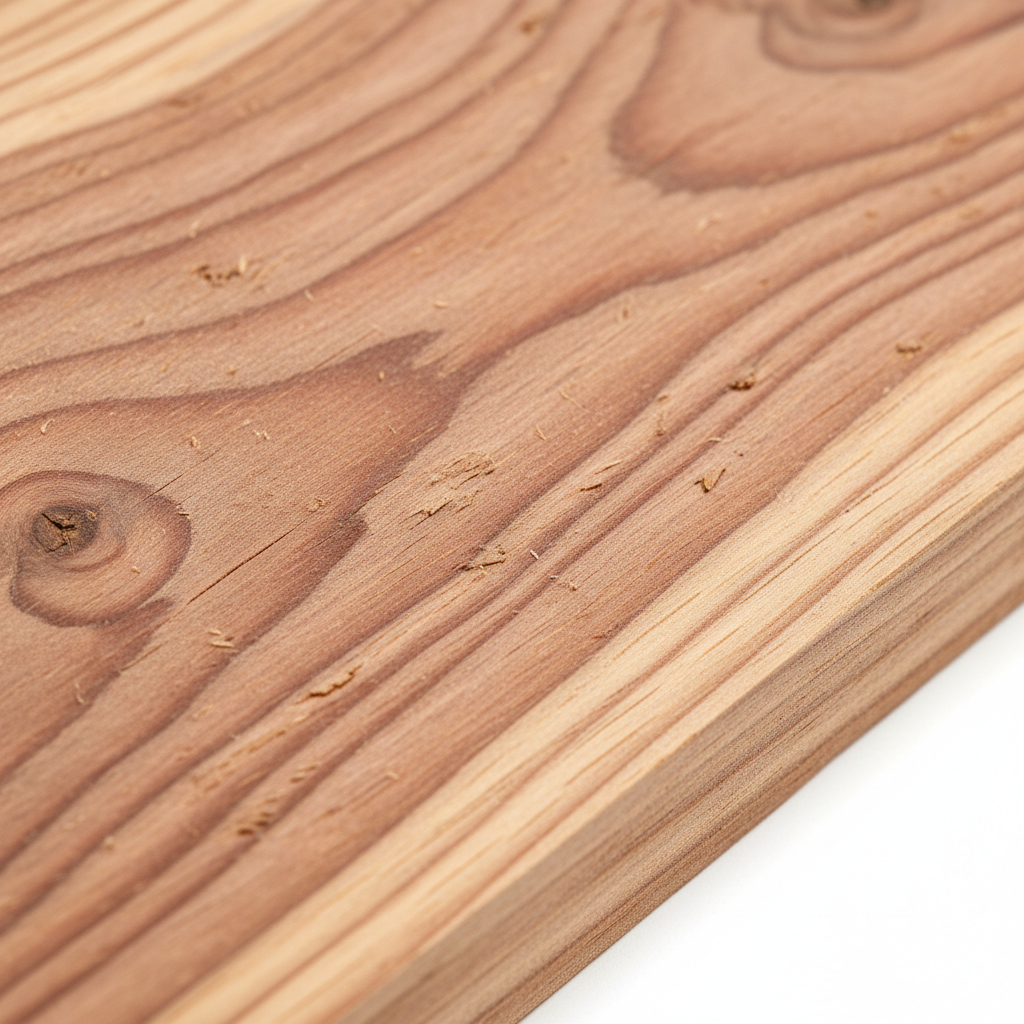
Western Redcedar
Key Takeaways
- A dock is several applications, not one wood choice.
- Separate walking surfaces from framing, connections and pilings, then identify freshwater, salt or brackish water and wetting conditions.
- This comparison concerns baldcypress (Taxodium distichum) and western redcedar (Thuja plicata); ask suppliers to confirm the species rather than relying on the broad names cypress or cedar.
- Neither species is a universal dock winner.
- Compare products that meet the same component and exposure specification, then compare delivered offers and maintenance requirements.
| Property | Baldcypress | Western Redcedar |
|---|---|---|
| Species To Confirm | Baldcypress (Taxodium distichum) | Western redcedar (Thuja plicata) |
| Natural Durability Qualification | Old-growth and second-growth material differ; verify the supplied wood | Decay resistance does not establish structural capacity |
| Decking Specification | Grade, actual dimensions, lengths and designed support spacing | Grade, actual dimensions, lengths and designed support spacing |
| Framing And Piling Selection | Component-specific design and exposure specification required | Component-specific design and exposure specification required |
| Delivered Cost | Obtain a dated quote for the specified quantity and delivery location | Obtain a dated quote for the same scope |
| Service Life | No fixed lifespan asserted for unspecified material | No fixed lifespan asserted for unspecified material |
Baldcypress
Pros
- Baldcypress has a documented history of use where decay resistance matters.
- USDA distinguishes the durability of old-growth heartwood from second-growth material.
Cons
- Do not apply old-growth durability claims to an unspecified shipment.
- A species name does not establish the structural grade, treatment or suitability of a particular dock component.
Western Redcedar
Pros
- USDA describes western redcedar as decay resistant.
- A clearly specified species allows the supplier to quote a defined product rather than an unspecified cedar.
Cons
- USDA also describes western redcedar as soft and low in strength; decay resistance alone is not a structural design value.
- Confirm grade, dimensions and the designed application before ordering.
Best Use Cases
For decking, request the exact species, grade, finished size, lengths, heartwood requirements, treatment if specified, and the support spacing required by the design. For framing or pilings, obtain a component-specific structural and durability specification. AWPA distinguishes above-ground, ground/freshwater and marine exposure categories; some above-ground components need a more demanding category because of their exposure or difficulty of replacement. Do not select treatment from the word dock alone.
Verdict
Neither species is a universal dock winner. Compare products that meet the same component and exposure specification, then compare delivered offers and maintenance requirements. Do not infer a guaranteed service life from a species name or use a hardness number as a substitute for structural capacity. This page provides a procurement checklist, not a dock design.