Cork vs Bamboo for Sustainable Building: 2026 Complete Comparison (2026)
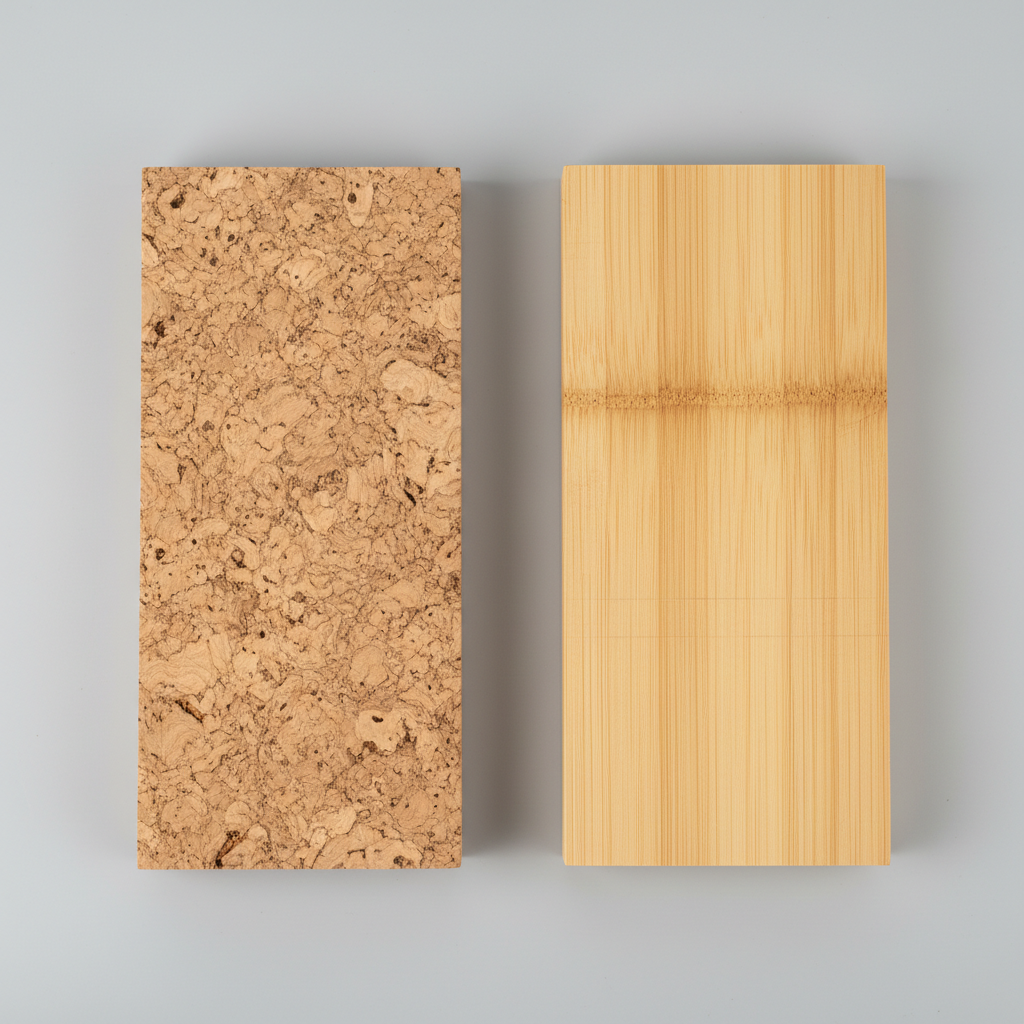
Cork and bamboo are two of the most popular sustainable building materials, both offering genuine eco-credentials with very different performance characteristics. Cork provides unmatched comfort and acoustic insulation, while bamboo delivers hardwood-like durability. This comparison covers sustainability, performance, and practical considerations for green building projects.
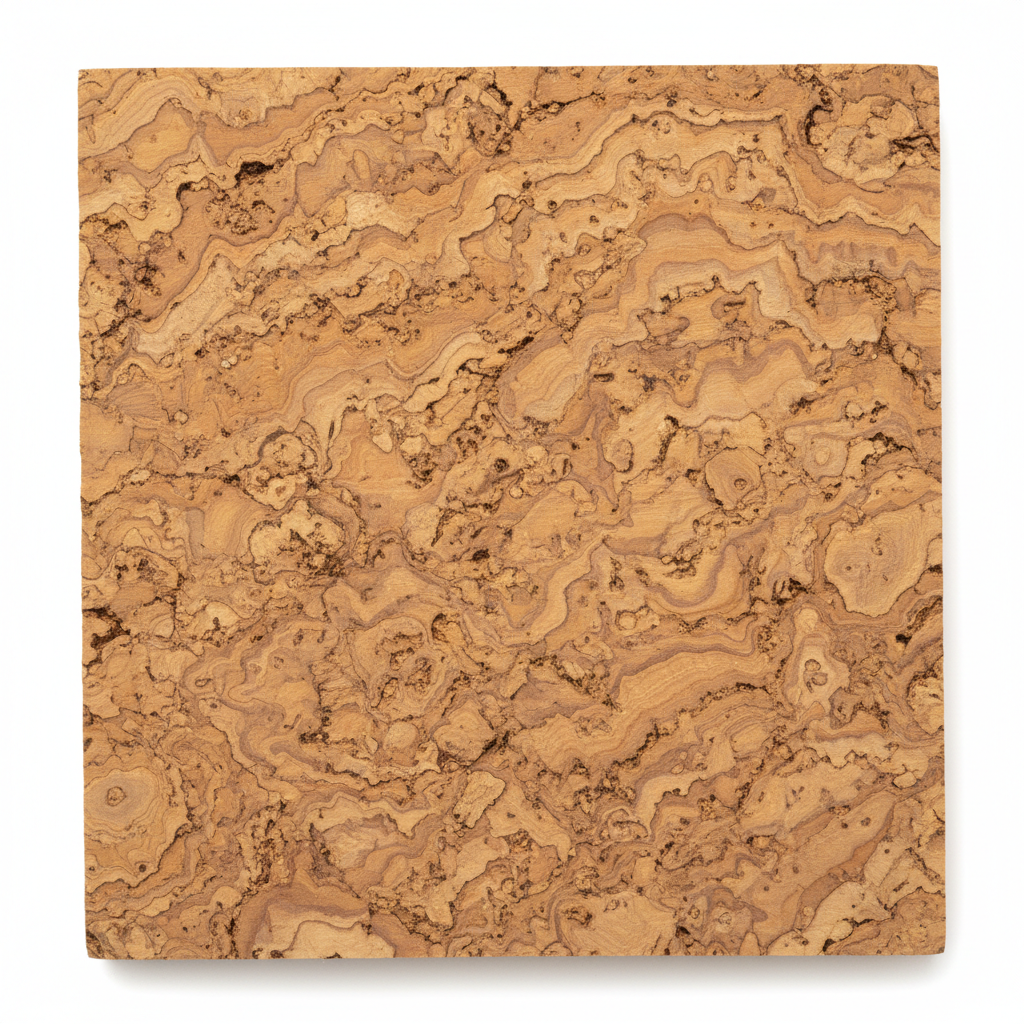
Cork
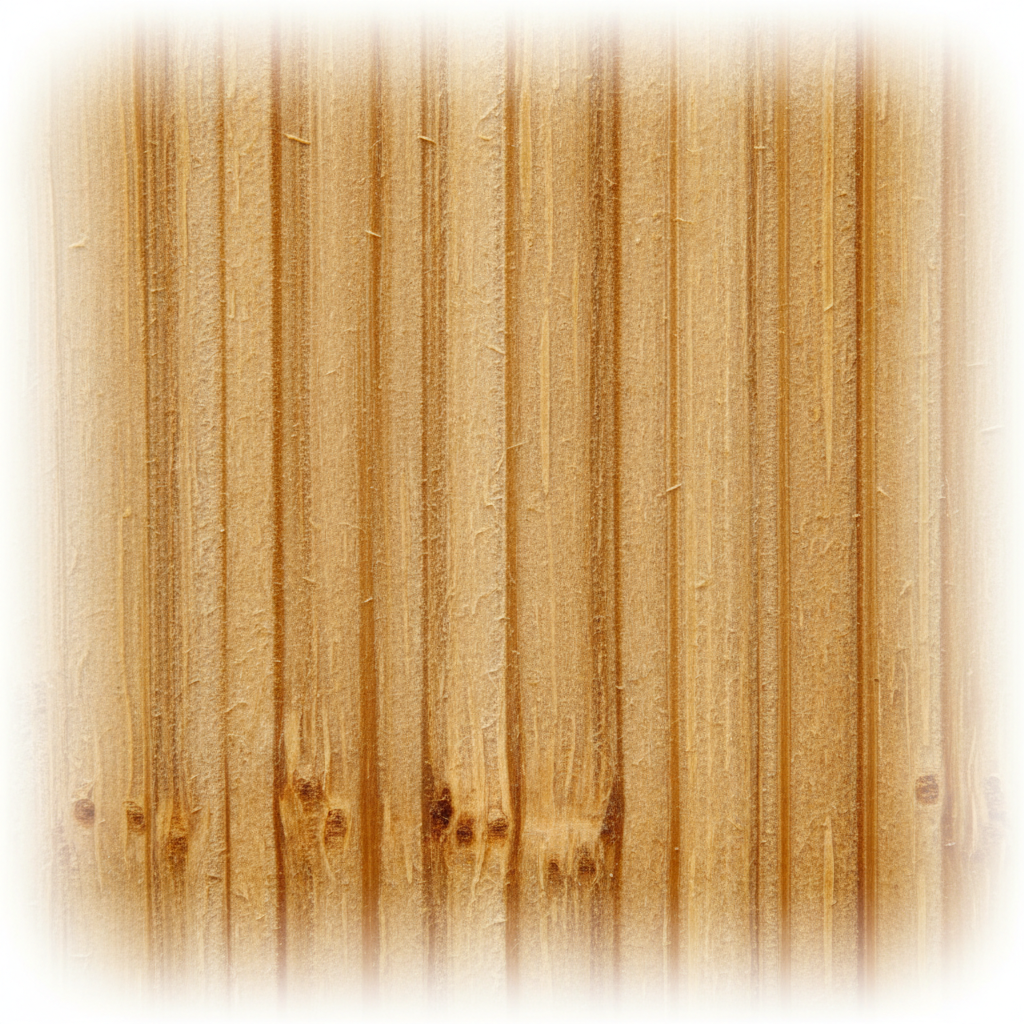
Bamboo
Key Takeaways
- Cork and bamboo are two of the most popular sustainable building materials, both offering genuine eco-credentials with very different performance characteristics.
- Cork provides unmatched comfort and acoustic insulation, while bamboo delivers hardwood-like durability.
- This comparison covers sustainability, performance, and practical considerations for green building projects.
- Cork and Bamboo serve different needs within sustainable building.
- Cork excels where comfort, acoustics, and thermal insulation matter most.
| Property | Cork | Bamboo |
|---|---|---|
| Sustainability | Bark harvest — tree lives on | 3-5 year harvest cycle |
| Hardness | Soft — compresses underfoot | Hard — 1000-5000 Janka |
| Comfort Underfoot | Excellent — cushioned and warm | Hard — similar to hardwood |
| Sound Insulation | Excellent — natural acoustic dampener | Moderate |
| Avg Cost (Sq Ft, Flooring) | $3–8 | $3–7 |
| Moisture Resistance | Good — naturally water resistant | Moderate — can swell |
Cork
Pros
- Harvested without killing the tree — ultimate sustainability. Naturally cushioned and warm underfoot. Excellent sound and thermal insulation. Hypoallergenic and antimicrobial.
Cons
- Soft surface dents from heavy furniture. Limited style options compared to bamboo. Can fade in direct sunlight. Requires periodic resealing.
Bamboo
Pros
- Extremely hard and durable — especially strand-woven. Wide range of colors and styles available. Very affordable for a sustainable option. Consistent quality from manufacturing.
Cons
- Shipping from Asia adds to carbon footprint. Adhesive content concerns in some products. Can be damaged by standing water. Quality varies significantly between brands.
Best Use Cases
Choose Cork for bedrooms, playrooms, home offices, and recording studios where comfort underfoot and sound insulation are priorities. Choose Bamboo for kitchens, living rooms, hallways, and any high-traffic area needing maximum durability from a sustainable material.
Verdict
Cork and Bamboo serve different needs within sustainable building. Cork excels where comfort, acoustics, and thermal insulation matter most. Bamboo wins in high-traffic areas demanding hardwood-level durability. Both are genuinely sustainable choices — the best one depends on whether your floor needs to be soft or strong.