Cedar vs Treated Lumber for Raised Garden Beds (2026)
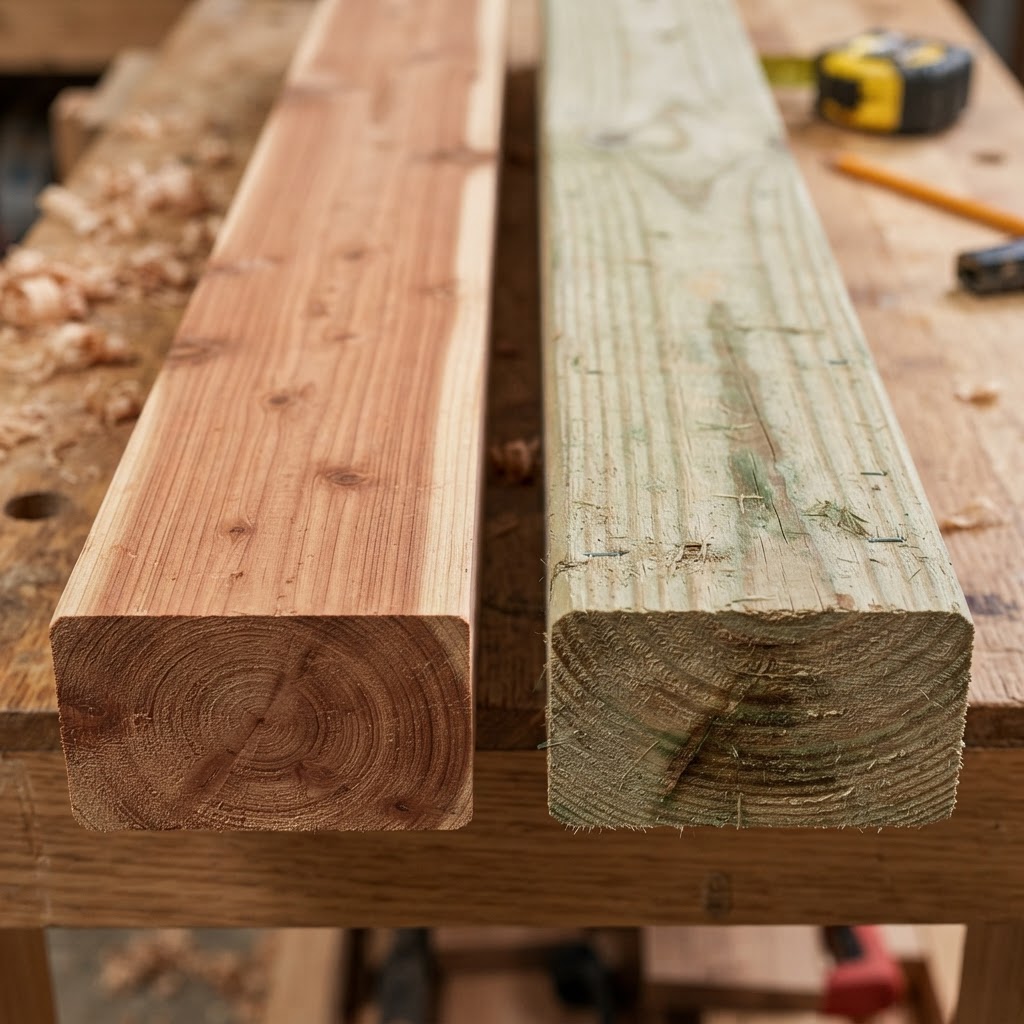
Choosing lumber for raised garden beds involves unique considerations that go beyond typical outdoor construction. Food safety, soil contact, and chemical leaching are all factors. Cedar and pressure-treated lumber are the two most common choices, but their suitability for growing food differs significantly.
Cedar
Pressure-Treated Lumber
Key Takeaways
- Choosing lumber for raised garden beds involves unique considerations that go beyond typical outdoor construction.
- Food safety, soil contact, and chemical leaching are all factors.
- Cedar and pressure-treated lumber are the two most common choices, but their suitability for growing food differs significantly.
- Cedar is the recommended choice for food-producing raised beds.
- The peace of mind of chemical-free lumber justifies the premium when growing vegetables your family will eat.
| Property | Cedar | Pressure-Treated Lumber |
|---|---|---|
| Price/Board Ft | $3-$7 | $1-$3 |
| Food Safety | Excellent - no chemicals | Debated - ACQ treated |
| Lifespan In Soil | 8-15 years | 15-20 years |
| Rot Resistance | Good - natural | Very good - chemical |
| Chemical Leaching | None | Copper compounds possible |
| Insect Resistance | Good - natural | Very good - chemical |
| Appearance | Warm, natural | Greenish-tan |
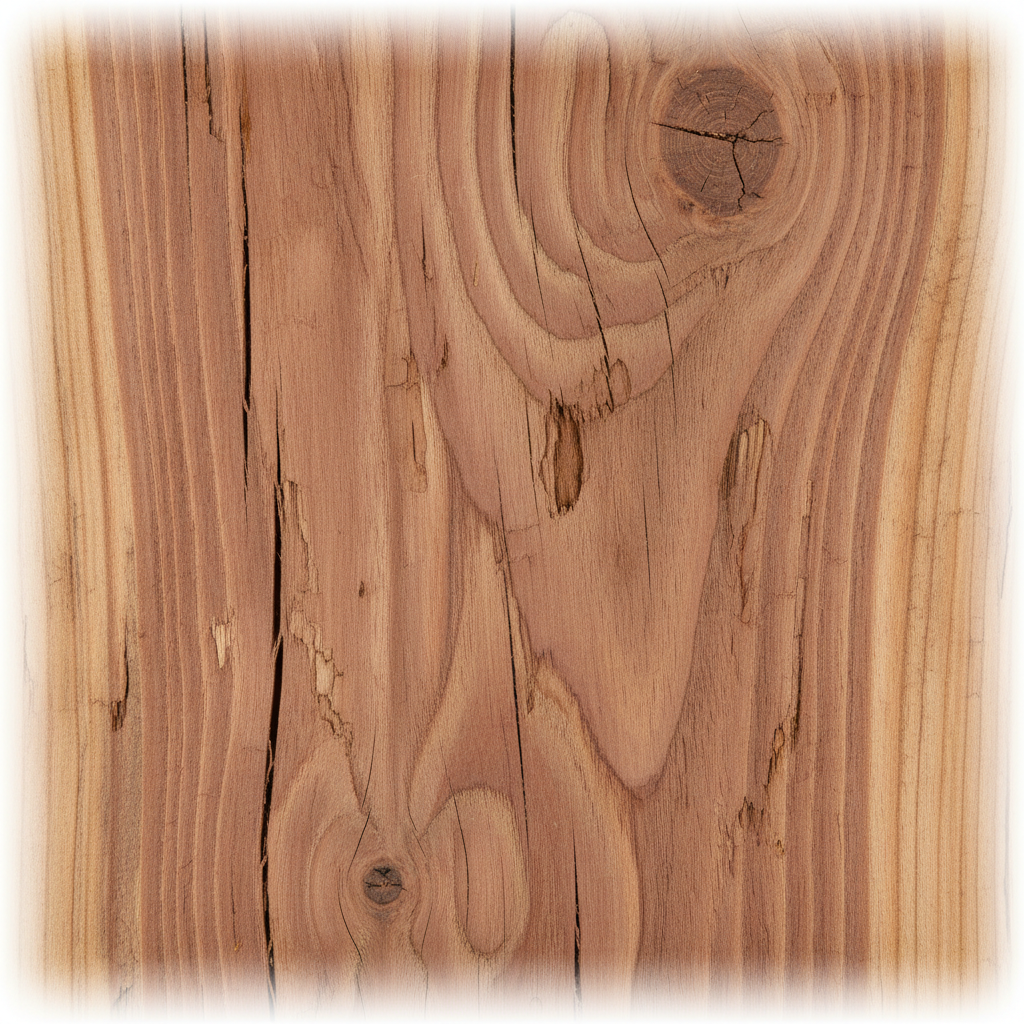
Cedar
Pros
- No chemical treatment near food, Naturally rot resistant, Beautiful appearance, Safe for organic gardening
Cons
- More expensive, Shorter soil-contact lifespan, Softer wood deteriorates faster, Heartwood only provides rot resistance
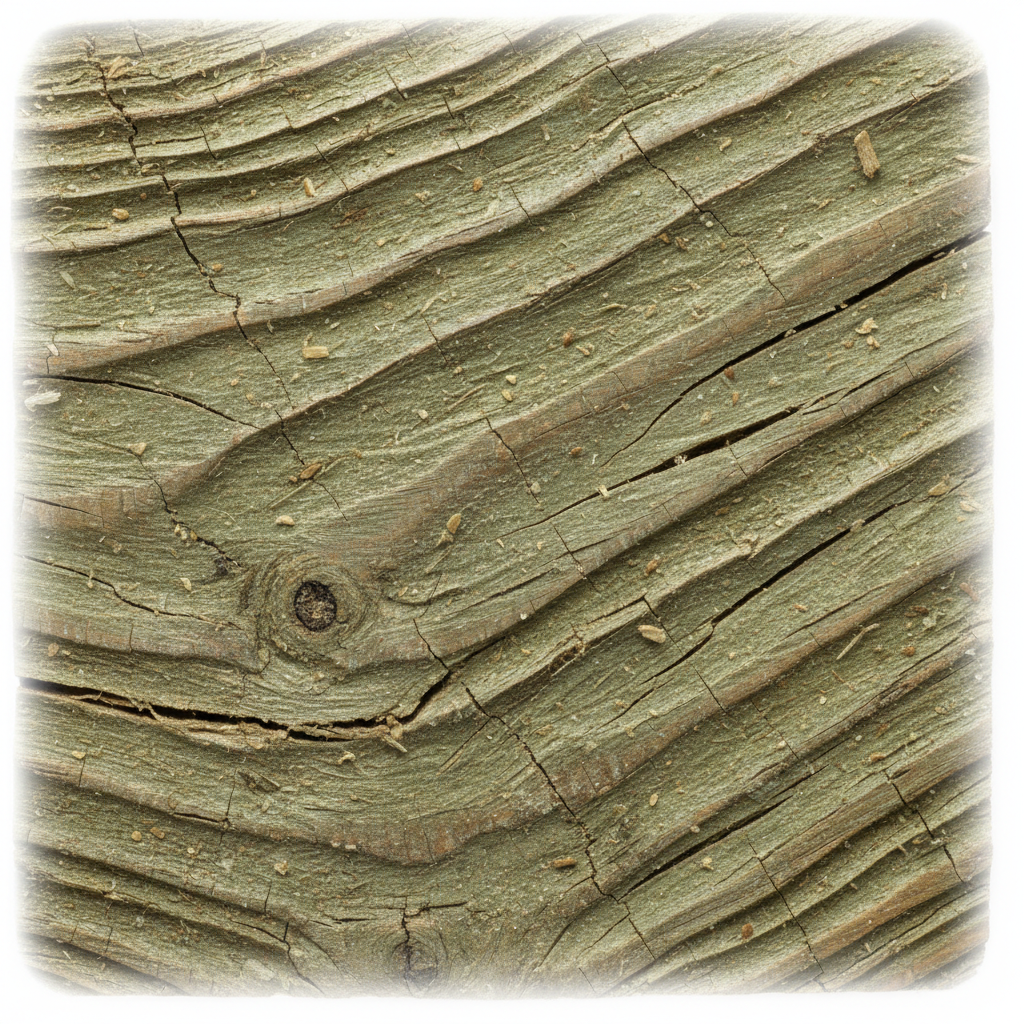
Pressure-Treated Lumber
Pros
- Much more affordable, Longer lifespan in ground contact, Widely available, Stronger structural properties
Cons
- Chemical leaching concerns near food, Not approved for organic gardening, Copper compounds enter soil, Debate over food safety continues
Best Use Cases
Choose cedar for vegetable gardens, organic growing, and any beds where food safety is the priority. Choose pressure-treated lumber for flower beds, ornamental gardens, and non-food applications where budget and longevity matter most.
Verdict
Cedar is the recommended choice for food-producing raised beds. The peace of mind of chemical-free lumber justifies the premium when growing vegetables your family will eat. Pressure-treated is fine for ornamental beds.
Frequently Asked Questions
Related Comparisons
Butcher Block (Wood) vs Granite
Compare butcher block and granite countertops for cost, durability, maintenance, and style. Find out
Read guideCedar vs Cypress
Compare cedar and cypress wood for outdoor projects including decks, pergolas, and siding. Learn abo
Read guideCedar vs Cypress
Comparing cedar and cypress for decking. Learn about rot resistance, cost, durability, and appearanc
Read guide