Cedar vs Pressure-Treated for Pergolas: 2026 Complete Comparison (2026)
A backyard pergola is an investment in outdoor living, and the material choice defines both its appearance and lifespan. Cedar offers natural beauty and rot resistance without chemicals, while pressure-treated Pine provides maximum durability at a lower cost. This guide compares both options across every factor that matters for pergola construction.
Cedar
Pressure-Treated Pine
Key Takeaways
- A backyard pergola is an investment in outdoor living, and the material choice defines both its appearance and lifespan.
- Cedar offers natural beauty and rot resistance without chemicals, while pressure-treated Pine provides maximum durability at a lower cost.
- This guide compares both options across every factor that matters for pergola construction.
- For most homeowners, Pressure-Treated Pine is the practical choice — it costs significantly less and lasts longer with proper maintenance.
- Cedar is worth the premium when natural beauty and chemical-free construction are priorities.
| Property | Cedar | Pressure-Treated Pine |
|---|---|---|
| Decay Resistance | Good — natural oils | Excellent — chemical treatment |
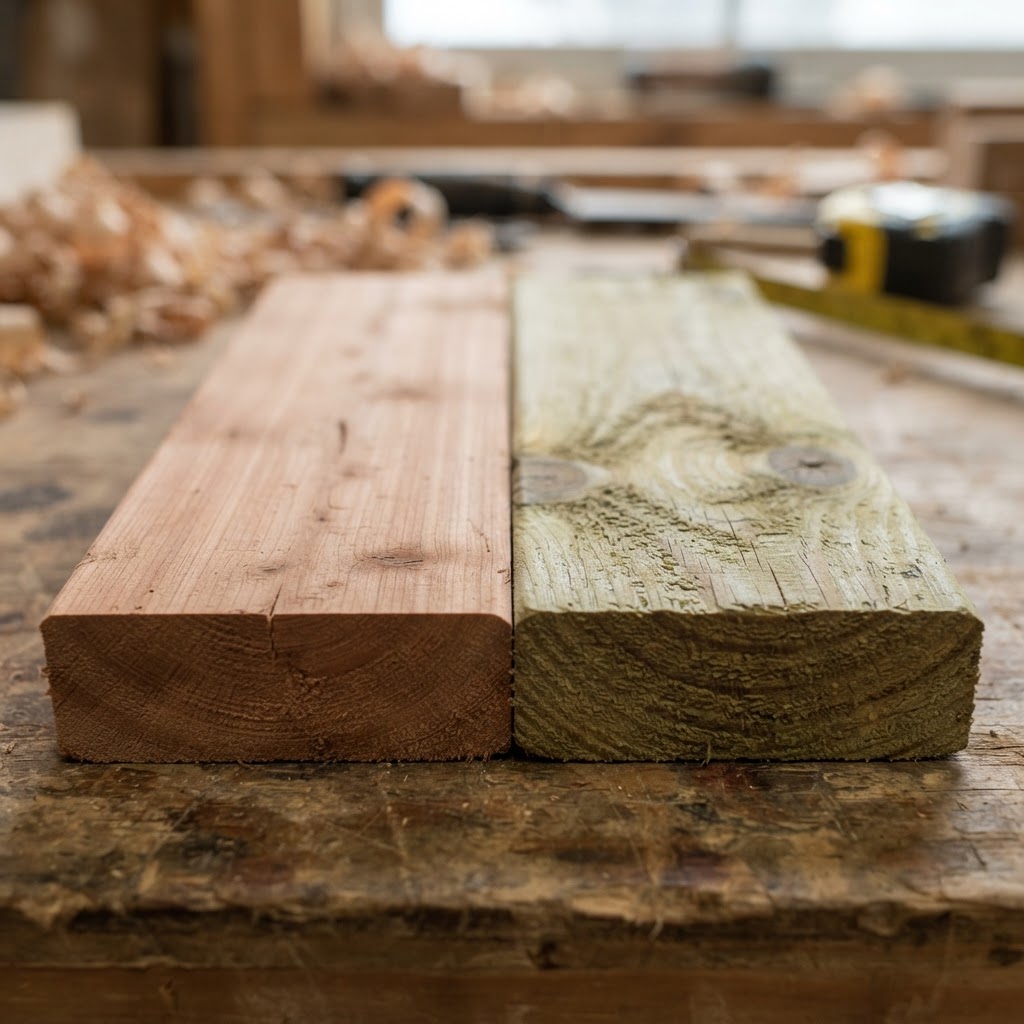
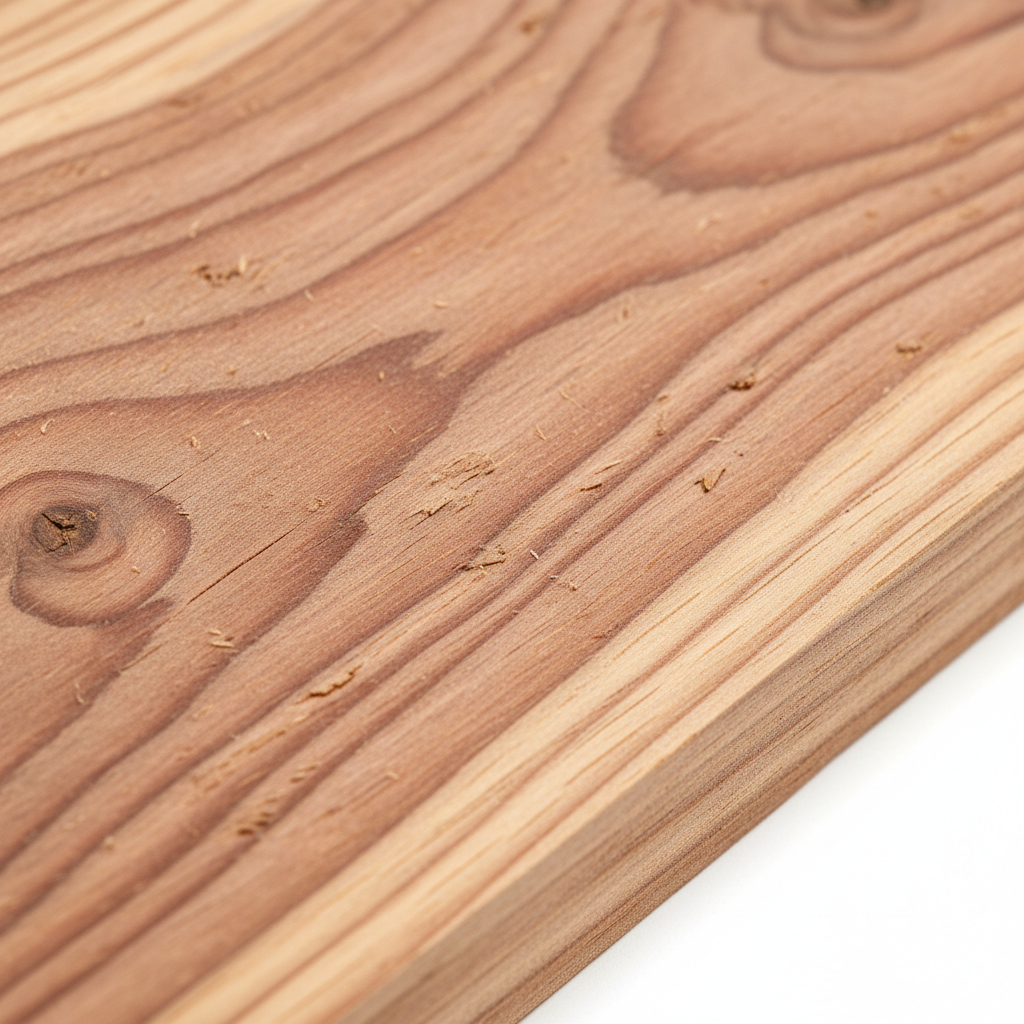
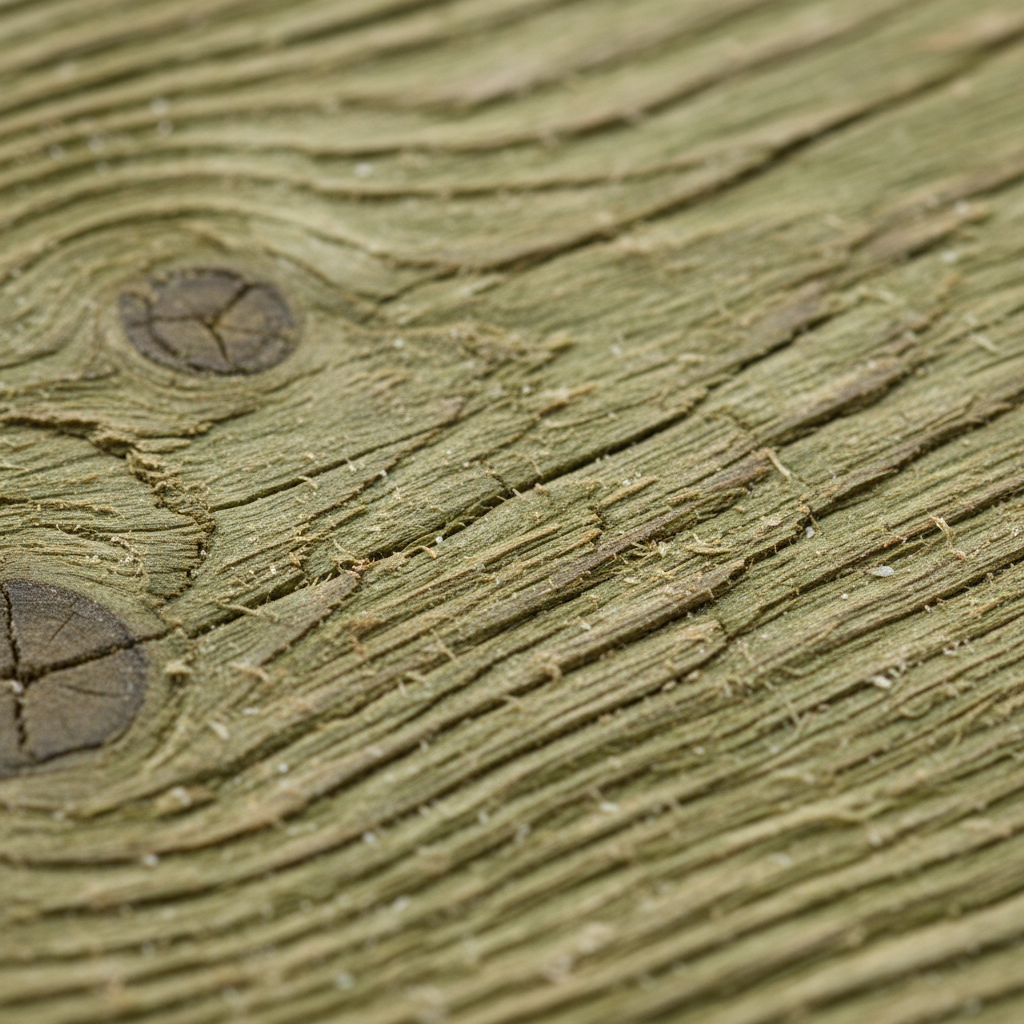
| Appearance | Warm reddish, weathers to silver | Greenish, weathers to gray |
| Avg Cost (12x12 Pergola) | $2500–4500 | $1200–2500 |
| Maintenance | Seal every 2–3 years | Stain/seal every 1–2 years |
| Weight | Light — easy to handle | Heavy when wet from treatment |
| Chemical Treatment | None | ACQ or MCA preservatives |
Cedar
Pros
- Beautiful natural color and grain. No chemical treatment — safe for food gardens. Lightweight and easy to work with. Naturally resists rot and insects.
Cons
- More expensive — nearly double the cost. Must be sealed regularly to maintain color. Softer — prone to denting from impacts. Heartwood only provides rot resistance.
Pressure-Treated Pine
Pros
- Most affordable option for a full-size pergola. Longest-lasting decay protection. Strongest structural option in given dimensions. Widely available in all needed sizes.
Cons
- Green tint is unattractive when new. Contains chemical preservatives. Heavier and harder to handle. Tends to warp, twist, and check as it dries.
Best Use Cases
Choose Cedar when appearance is a top priority, the pergola is near a vegetable garden or dining area, or you want a chemical-free structure. Choose Pressure-Treated Pine when budget is the primary concern, maximum rot resistance is needed, or you plan to paint or stain the pergola a solid color.
Verdict
For most homeowners, Pressure-Treated Pine is the practical choice — it costs significantly less and lasts longer with proper maintenance. Cedar is worth the premium when natural beauty and chemical-free construction are priorities. If going with PT Pine, let it dry 3-4 weeks before applying a quality stain to improve its appearance.
Frequently Asked Questions
Related Comparisons
Cedar vs Pressure-Treated Pine
Cedar vs pressure-treated pine for fencing compared on cost, lifespan, maintenance, and appearance.
Read guideCedar vs Pine (Pressure-Treated)
Compare cedar and pressure-treated pine for pergola construction. Learn about cost, appearance, main
Read guideCedar vs Fiber Cement
Cedar vs Fiber Cement siding — compare durability, cost, maintenance, and appearance. Choose the bes
Read guide