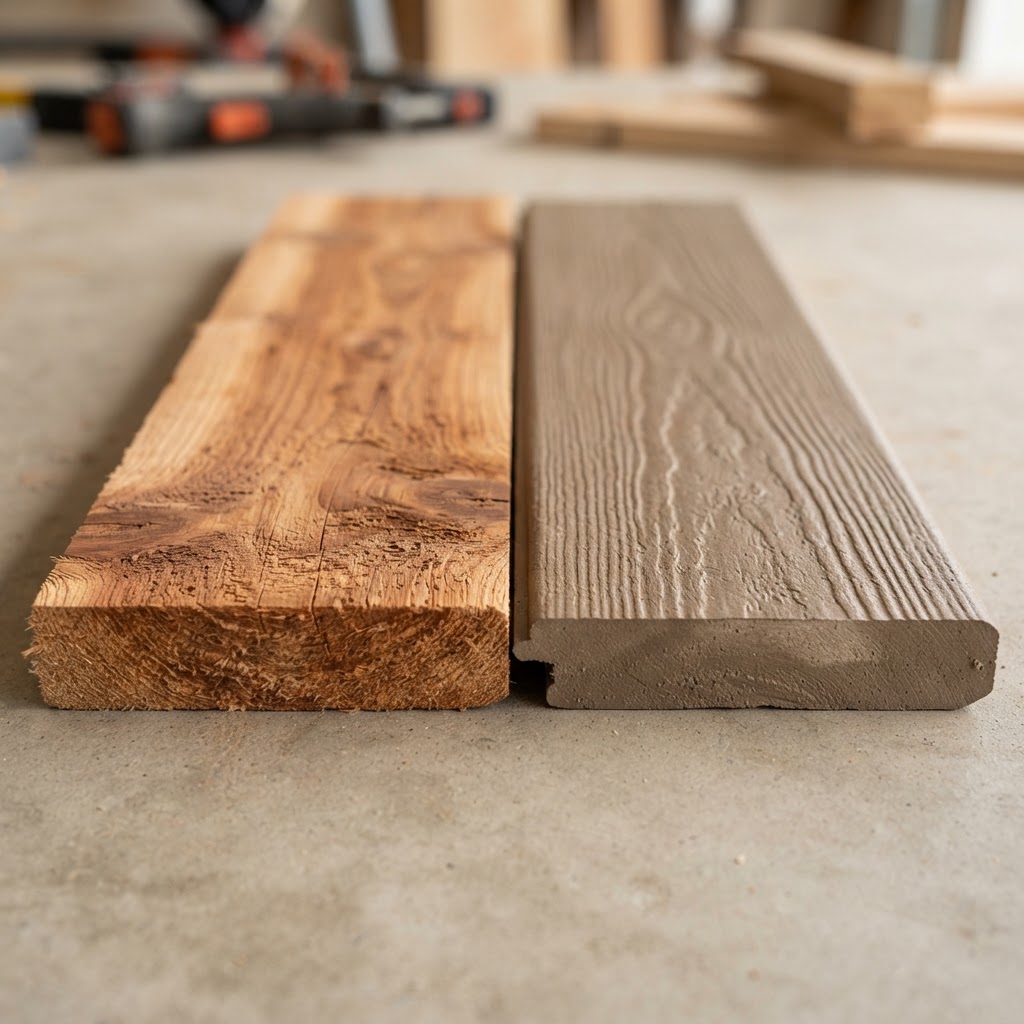
Cedar vs Fiber Cement Siding: 2026 Complete Comparison (2026)
Cedar and fiber cement are two of the most popular siding materials for homeowners who want lasting curb appeal. Cedar delivers authentic wood character with natural insulating properties, while fiber cement offers exceptional durability with minimal maintenance. This comparison covers cost, lifespan, maintenance, and aesthetics for both options.
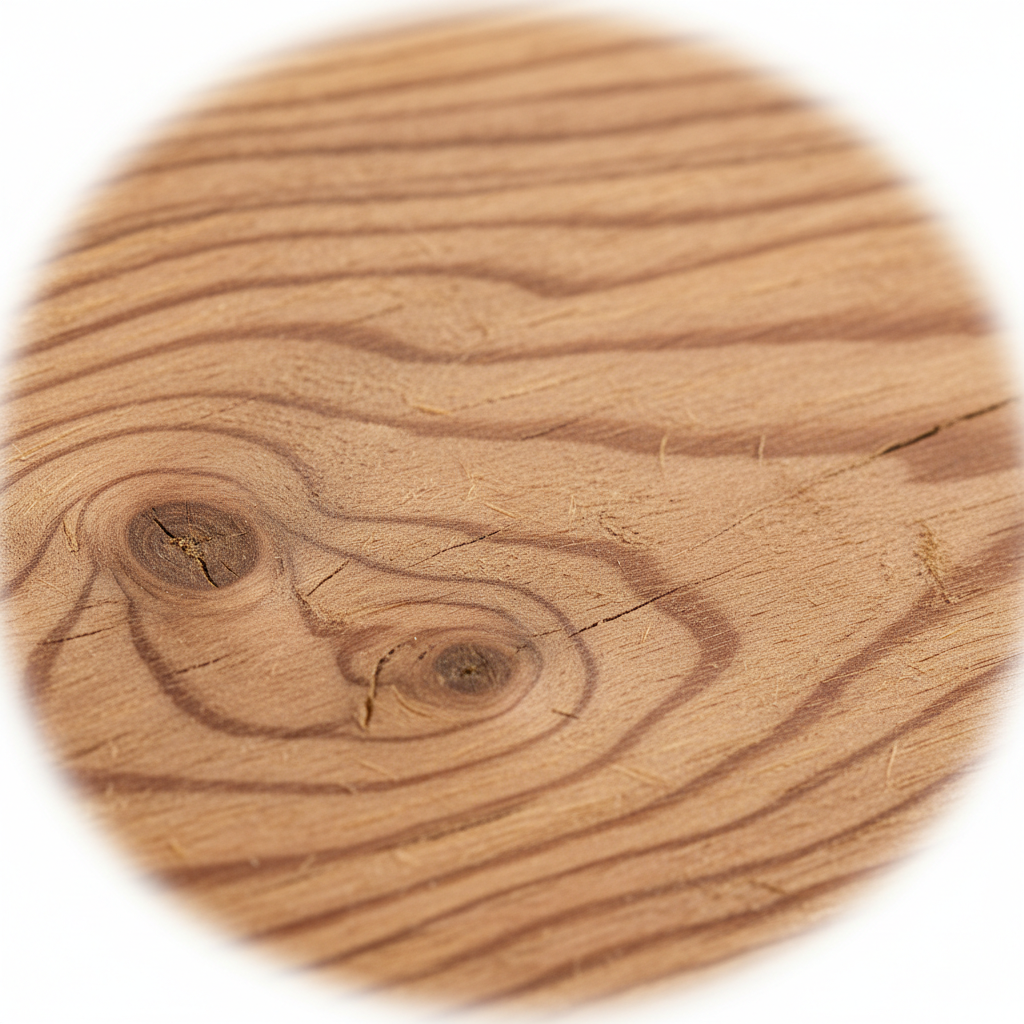
Cedar
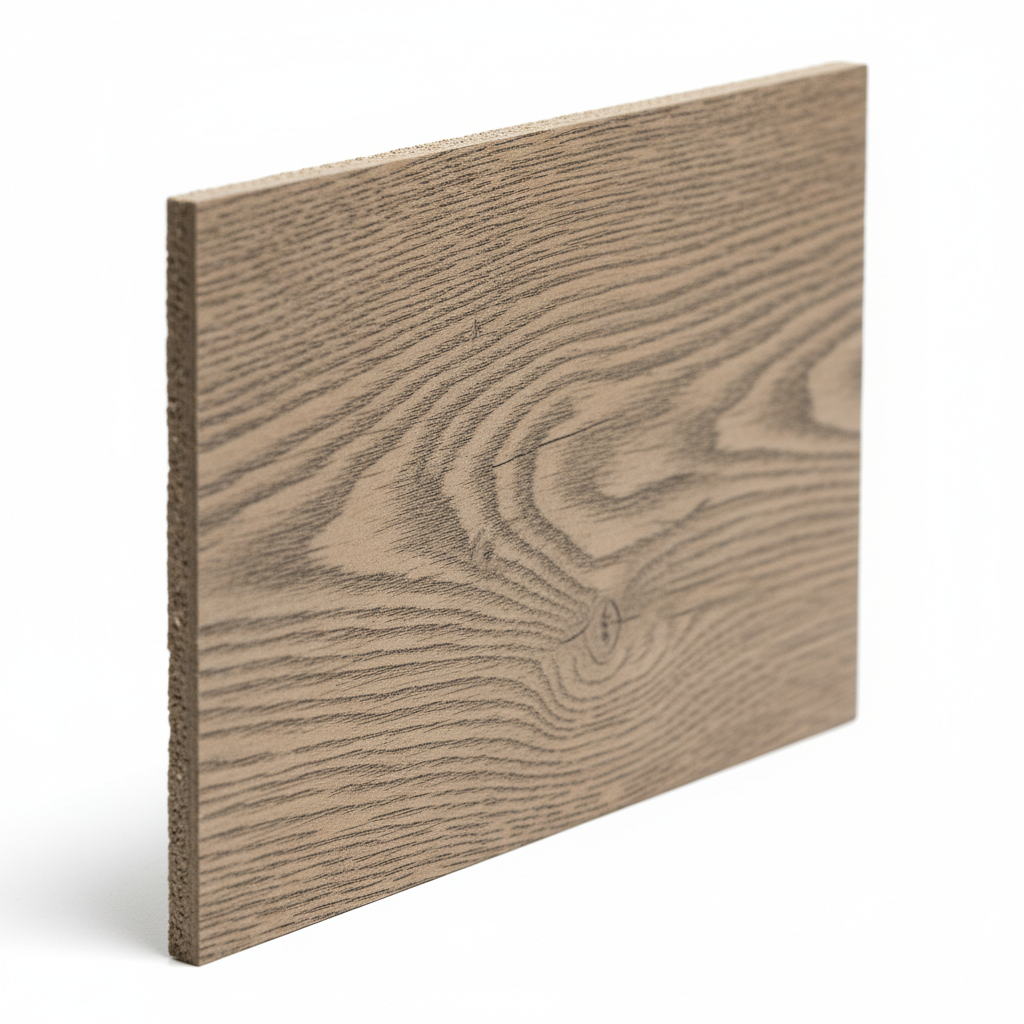
Fiber Cement
Key Takeaways
- Cedar and fiber cement are two of the most popular siding materials for homeowners who want lasting curb appeal.
- Cedar delivers authentic wood character with natural insulating properties, while fiber cement offers exceptional durability with minimal maintenance.
- This comparison covers cost, lifespan, maintenance, and aesthetics for both options.
- Fiber cement is the better long-term investment for most homeowners — it lasts longer, requires less maintenance, and provides fire protection.
- Cedar is the choice for those who insist on authentic natural wood and are committed to the maintenance schedule it demands.
| Property | Cedar | Fiber Cement |
|---|---|---|
| Lifespan | 20–40 years with maintenance | 40–75+ years |
| Maintenance | Stain/paint every 3–5 years | Repaint every 10–15 years |
| Avg Cost (Installed/Sq Ft) | $6–12 | $8–15 |
| Fire Resistance | Low — combustible | Excellent — non-combustible |
| Insulation Value | Good — natural insulator | Low — minimal R-value |
| Appearance | Authentic natural wood | Simulated wood grain |
Cedar
Pros
- Authentic, natural wood beauty no material can truly replicate. Natural insulating properties reduce energy costs. Lightweight and easy to handle during installation. Environmentally sustainable and renewable.
Cons
- Requires regular staining or painting. Susceptible to rot and insect damage if neglected. Fire risk in wildfire-prone areas. Shorter lifespan than fiber cement.
Fiber Cement
Pros
- Exceptional durability — resists rot, insects, and fire. Very low maintenance — holds paint for decades. Non-combustible — approved for fire-prone zones. Long lifespan justifies upfront investment.
Cons
- Heavier — harder to handle and more expensive to install. Does not replicate natural wood appearance perfectly. Can crack from impact. Moisture can wick through cut edges if not sealed.
Best Use Cases
Choose Cedar for homes where natural wood character is essential, in mild climates with low fire risk, and when you enjoy periodic exterior maintenance. Choose Fiber Cement for maximum durability, wildfire-prone areas, low-maintenance requirements, and when long-term value outweighs upfront cost.
Verdict
Fiber cement is the better long-term investment for most homeowners — it lasts longer, requires less maintenance, and provides fire protection. Cedar is the choice for those who insist on authentic natural wood and are committed to the maintenance schedule it demands.
Frequently Asked Questions
Related Comparisons
Cedar vs Pressure-Treated Pine
Cedar vs pressure-treated pine for fencing compared on cost, lifespan, maintenance, and appearance.
Read guideCedar vs Pine (Pressure-Treated)
Compare cedar and pressure-treated pine for pergola construction. Learn about cost, appearance, main
Read guideCedar vs Pressure-Treated Lumber
Compare cedar and pressure-treated lumber for raised garden beds. Learn about safety, cost, durabili
Read guide