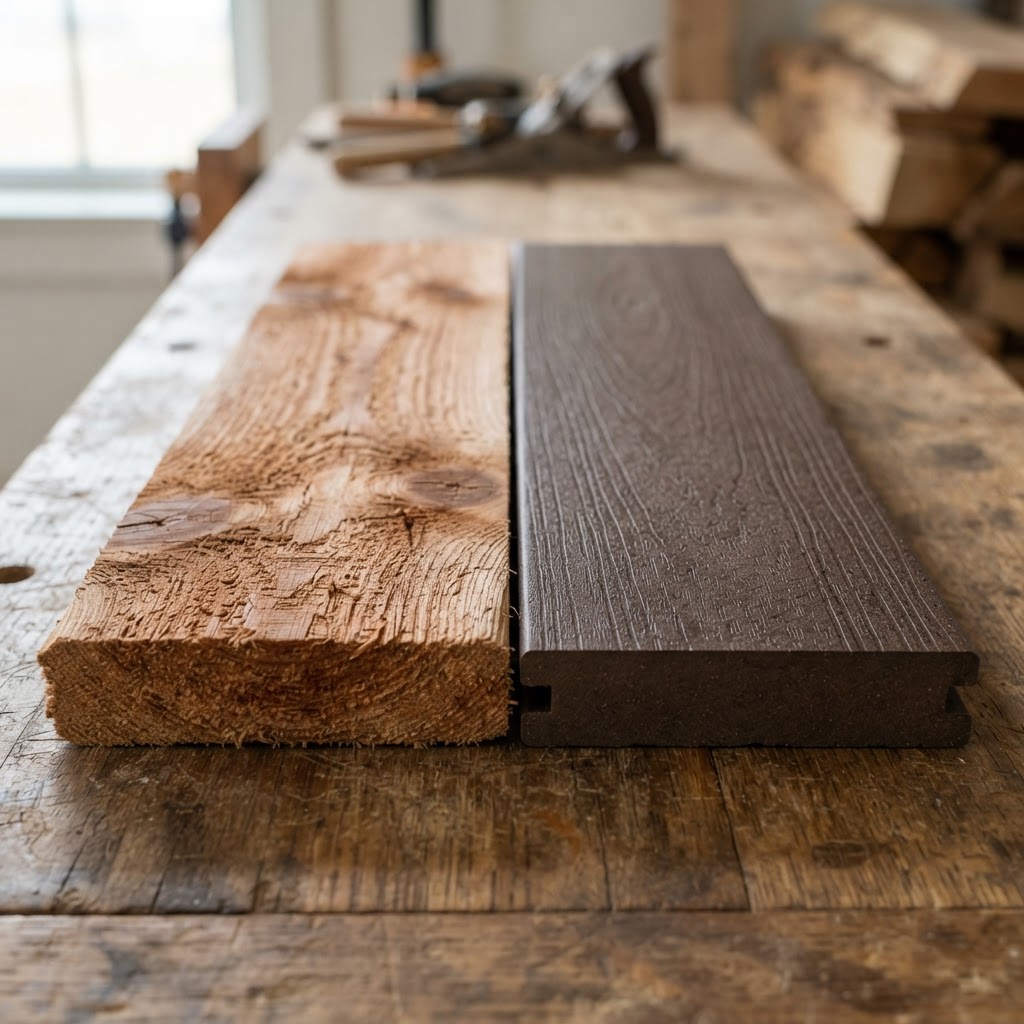
Cedar vs Composite Fence Posts: 2026 Complete Comparison (2026)
Fence posts are the structural backbone of any fence, and choosing between Cedar and composite materials affects longevity, cost, and maintenance. Cedar is the traditional natural choice with proven performance, while composite posts promise zero maintenance and extreme durability. This comparison helps you decide which post material is right for your fence.
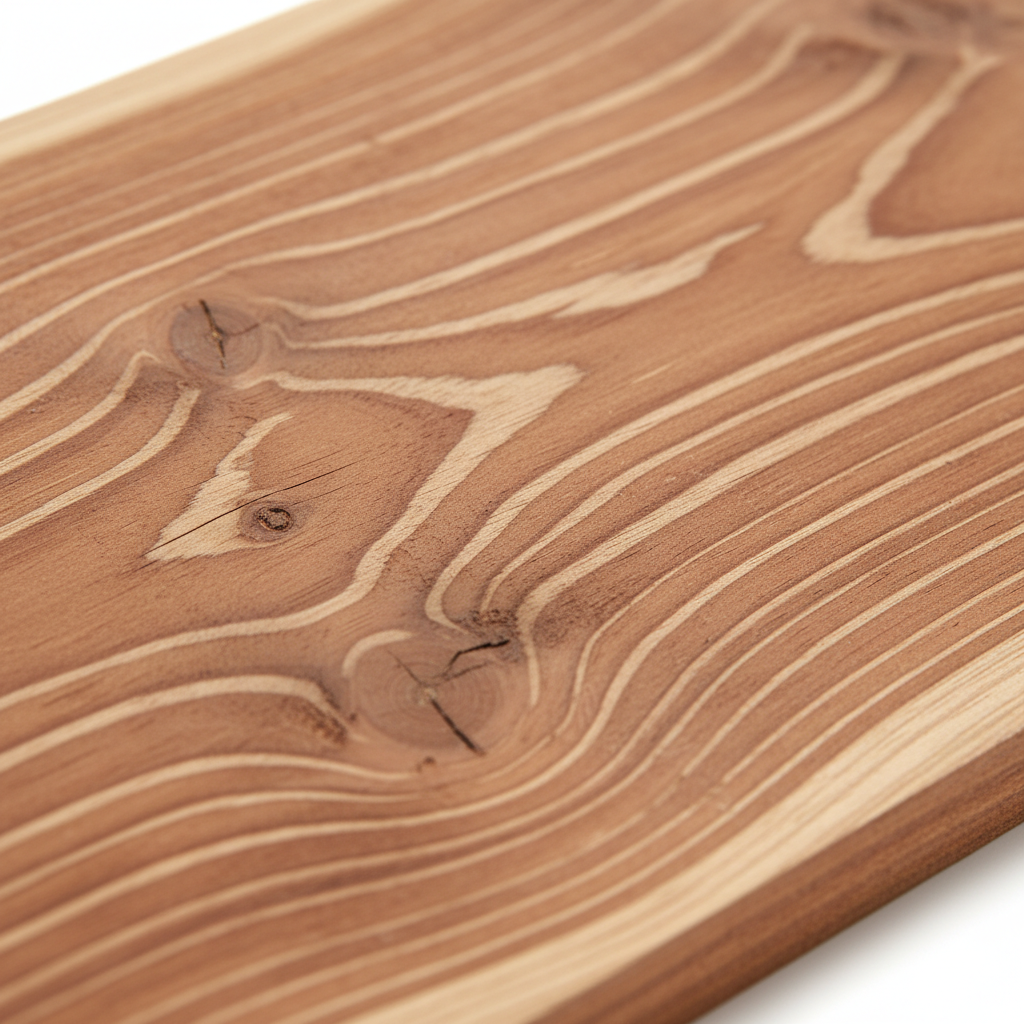
Cedar
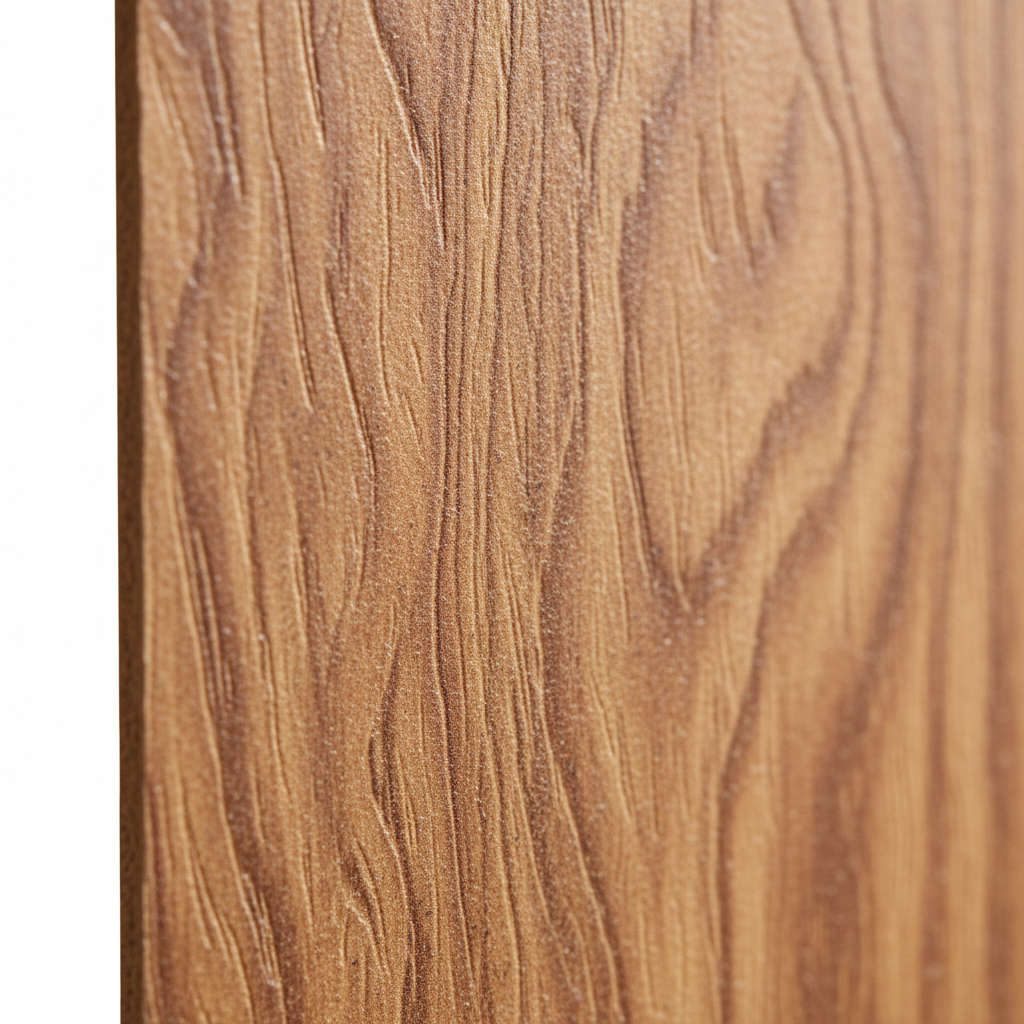
Composite
Key Takeaways
- Fence posts are the structural backbone of any fence, and choosing between Cedar and composite materials affects longevity, cost, and maintenance.
- Cedar is the traditional natural choice with proven performance, while composite posts promise zero maintenance and extreme durability.
- This comparison helps you decide which post material is right for your fence.
- Composite posts offer superior longevity and zero maintenance, making them the best long-term investment despite higher upfront costs.
- Cedar remains a solid choice for homeowners who prefer natural materials, want lower initial cost, and are willing to perform periodic maintenance.
| Property | Cedar | Composite |
|---|---|---|
| Lifespan | 15–25 years | 25–50+ years |
| Maintenance | Seal every 2–3 years | None required |
| Avg Cost (4x4x8) | $18–30 | $40–75 |
| Structural Strength | Good — natural wood strength | Varies — check specs |
| Appearance | Natural wood grain | Uniform, manufactured look |
| Ground Contact | Good with heartwood | Excellent — impervious to rot |
Cedar
Pros
- Natural beauty with real wood grain. Proven track record spanning decades. Easy to cut, drill, and modify on site. Affordable initial cost.
Cons
- Will eventually rot in ground contact. Requires periodic sealing or staining. Can warp, split, or crack over time. Heartwood-only posts are increasingly expensive.
Composite
Pros
- Will not rot, warp, or split — ever. Zero maintenance required. Impervious to insects and moisture. Consistent appearance over decades.
Cons
- High upfront cost — 2-3x more than Cedar. Manufactured look lacks natural warmth. Limited structural data for some brands. Cannot be easily modified on site.
Best Use Cases
Choose Cedar for a natural look, budget-conscious projects, and situations where you are comfortable with periodic maintenance. Choose Composite when you want maximum lifespan with zero maintenance, are willing to pay the upfront premium, or are building in wet conditions where rot is a major concern.
Verdict
Composite posts offer superior longevity and zero maintenance, making them the best long-term investment despite higher upfront costs. Cedar remains a solid choice for homeowners who prefer natural materials, want lower initial cost, and are willing to perform periodic maintenance. Over a 30-year period, composite posts often cost less when maintenance is factored in.
Frequently Asked Questions
Related Comparisons
Cedar vs Pressure-Treated Pine
Cedar vs pressure-treated pine for fencing compared on cost, lifespan, maintenance, and appearance.
Read guideCedar vs Pine (Pressure-Treated)
Compare cedar and pressure-treated pine for pergola construction. Learn about cost, appearance, main
Read guideCedar vs Fiber Cement
Cedar vs Fiber Cement siding — compare durability, cost, maintenance, and appearance. Choose the bes
Read guide