Barn Wood
Barn Wood Buying Guide: Authentic Character for Modern Projects (2026)
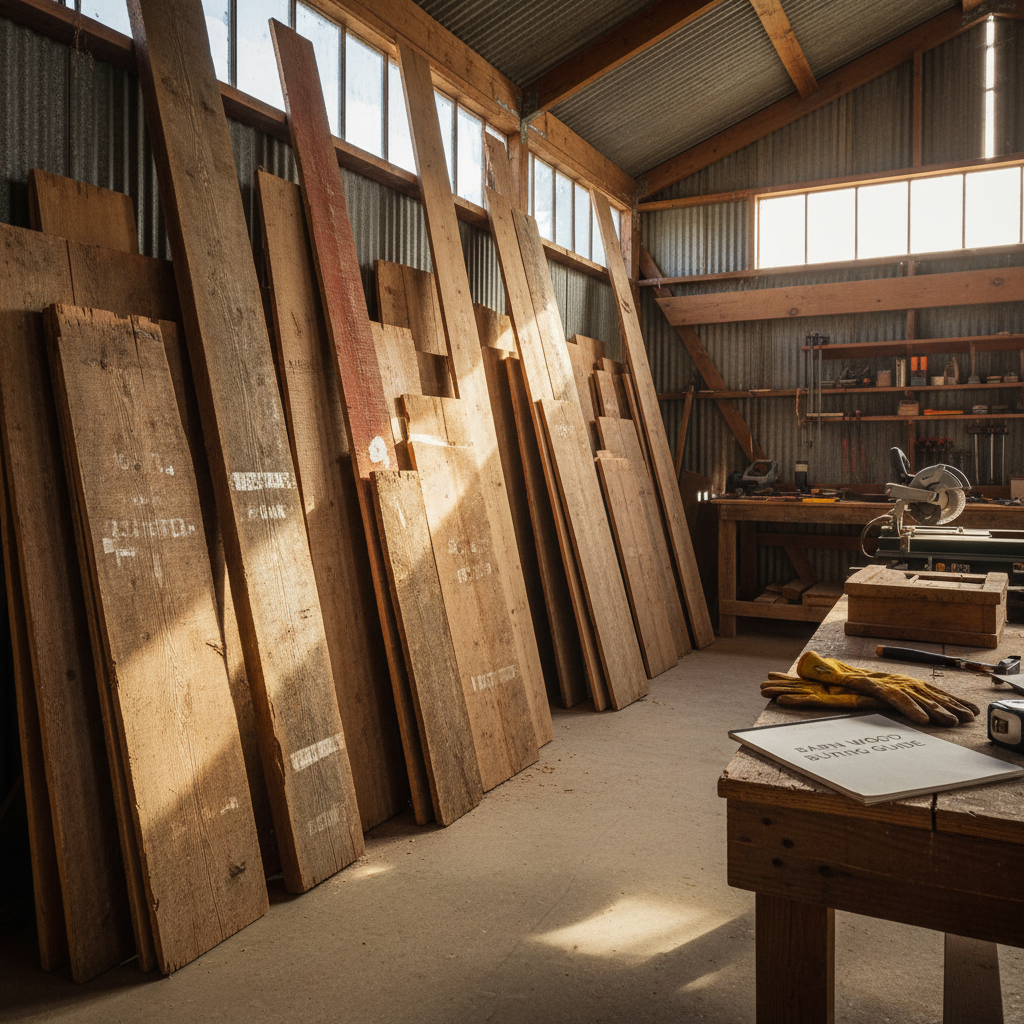
Barn wood has become one of the most sought-after materials in interior design, bringing authentic history and rustic character to accent walls, mantels, tabletops, and furniture. Each weathered board carries decades of sun, wind, and rain in its silver-gray patina. This guide helps you find quality barn wood and use it successfully in your projects.
Key Takeaways
- Barn wood has become one of the most sought-after materials in interior design, bringing authentic history and rustic character to accent walls, mantels, tabletops, and furniture.
- Each weathered board carries decades of sun, wind, and rain in its silver-gray patina.
- This guide helps you find quality barn wood and use it successfully in your projects.
- Authenticity — genuine barn wood has natural weathering patterns that manufactured distressing cannot replicate.
- Structural soundness — weathered surface should be backed by solid wood underneath.
What to Look For
- Authenticity — genuine barn wood has natural weathering patterns that manufactured distressing cannot replicate.
- Structural soundness — weathered surface should be backed by solid wood underneath. Reject boards that are soft or punky throughout.
- Hidden fasteners — old barns used hand-forged nails, cut nails, and screws that damage saw blades.
- Lead paint risk — some barns were painted, and pre-1978 paint likely contains lead.
- Pest history — inspect for active insect infestation (powder post beetles, carpenter ants).
- Moisture content — barn wood that has been exposed to rain needs thorough drying before interior use.
Species Comparison
Oak (red and white): Most common barn wood species in the eastern US. Dense and durable. Beautiful weathered grain.
Chestnut: Rare and highly prized. Warm brown tones with characteristic worm holes. No longer available as new lumber.
Pine (various species): Lighter weight, easier to work. Silver-gray patina on exterior boards. Interior boards may show original saw marks.
Hemlock: Common in northeastern barns. Lighter than oak with a softer gray weathering.
Douglas fir: Common in western barns and industrial buildings. Tight vertical grain in old-growth specimens.
Size Guide
Barn siding boards: 3/4" to 1" thick, 6" to 12" wide, 4' to 16' long. Most variable dimensions.
Barn beams: 6x6 to 12x12 and larger. Lengths up to 30'+ depending on the barn.
Barn flooring/planks: 1" to 2" thick, wide boards. Often tongue-and-groove from original floor.
Thin-sawn veneers: 1/4" to 3/8" thick. Sliced from thicker boards for lightweight accent wall installation.
Note: Barn wood dimensions are typically true (a 1x8 is actually 1" x 8") unlike modern lumber.
Grade Guide
Premium weathered: Consistent silver-gray patina, minimal damage, sound wood underneath. Best for feature walls and furniture.
Standard character: Mix of gray and brown, nail holes, some checking. Good all-purpose grade.
Rustic/heavy character: Significant nail holes, deep checking, paint remnants, and color variation. Maximum personality.
Structural: Evaluated for load-bearing capability regardless of surface appearance. For beams and timber-frame repairs.
Interior clean: Boards from inside the barn showing original saw marks but no weathering. Different aesthetic entirely.
Budget Breakdown
Barn siding (standard grade, per sq ft): $6–$12.
Premium weathered barn boards (per sq ft): $10–$18.
Thin-sawn barn wood veneer (per sq ft): $8–$14.
Barn beams (per linear foot): $8–$25 depending on size and species.
Reclaimed chestnut barn wood: $15–$30 per sq ft (scarcity premium).
De-nailing and preparation service: $2–$5 per sq ft.
Shipping: Significant for heavy barn beams; factor $1–$3 per sq ft for boards.
Common Mistakes to Avoid
- Buying barn wood without metal detection — hidden nails destroy expensive blades and create safety hazards.
- Installing damp barn wood on interior walls — trapped moisture breeds mold behind the boards. Kiln-dry or thoroughly air-dry first.
- Expecting uniform color and thickness — barn wood is inherently irregular. Embrace the variation or budget for significant waste.
- Using barn wood from painted structures without lead testing — sanding or cutting lead-painted wood creates hazardous dust.
- Overtreating barn wood with stain or finish — the beauty is in the natural patina. A clear matte sealer is usually all that's needed.
Pre-Purchase Checklist
- Source from a reputable dealer who documents barn location and species
- Scan all boards with a metal detector before any machining
- Test any painted boards for lead content
- Verify wood is dry (under 12% MC) for interior applications
- Inspect for active insect infestation
- Plan layout pattern to balance color and character variation across the installation
- Apply minimal finish (matte clear coat or no finish) to preserve authentic patina
Frequently Asked Questions
Authentic barn wood is salvaged from agricultural buildings being demolished or dismantled across rural North America. Most supply comes from barns built in the 1800s through early 1900s.
Yes, when properly prepared. Ensure the wood is kiln-dried or thoroughly air-dried, scanned for metal, tested for lead paint if applicable, and inspected for active pests.
The cost reflects careful demolition, transportation, de-nailing, cleaning, kiln-drying, metal detection, and sorting. The supply is also finite — barns are not being built with these materials anymore.
Yes. Thin-sawn barn wood (1/4" to 3/8") can be adhered directly to drywall with construction adhesive. Thicker boards should be nailed to studs or furring strips.