Foam Pipe Insulation (2026)
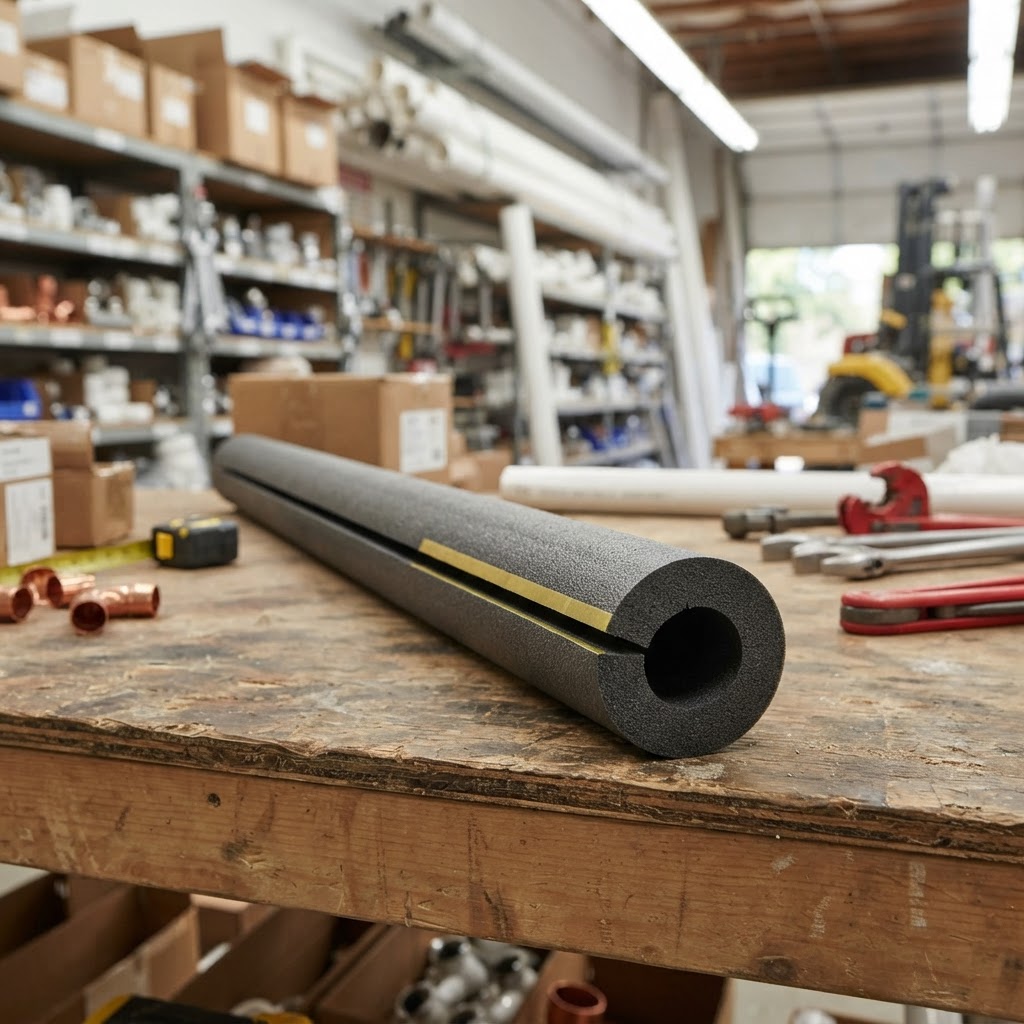
Foam pipe insulation wraps around water supply and drain pipes to prevent freezing in cold areas, reduce condensation on cold water pipes, and improve hot water delivery efficiency. Pre-slit polyethylene foam tubes slide over pipes easily and feature self-sealing adhesive strips for a secure closure.
Key Features
- Pre-slit for easy installation
- Self-sealing adhesive strip
- Multiple pipe size options
- R-value insulation rating
- Prevents freezing and condensation
Specifications
Applications
- Exposed pipes in unheated areas
- Cold water pipes to prevent sweating
- Hot water pipes for energy savings
- Outdoor faucet supply lines
- Crawl space and attic pipes
Installation Overview
Measure pipe diameter and select matching insulation. Open the pre-slit foam and wrap around the pipe. Press the self-sealing adhesive strip closed. Use insulation tape at joints and seams. Miter-cut corners for elbows.
Pros & Cons
Pros
- ✓ Very easy to install
- ✓ Prevents pipe freezing
- ✓ Reduces condensation
- ✓ Improves hot water efficiency
Cons
- ✗ Not sufficient alone for extreme cold
- ✗ Can degrade with UV exposure
- ✗ Must be properly sized to pipe
- ✗ Self-seal adhesive may fail over time
Top Brands
Code Requirements
Energy codes may require insulation on hot water pipes. Insulation required on pipes in unconditioned spaces where freezing is possible. R-value requirements vary by climate zone.
Buying Tips
Measure your pipe diameters before buying. Use thicker insulation (3/4 inch or more) for freeze prevention. Tape all joints and seams for a complete seal. Combine with heat tape for pipes in severe freeze risk areas.
Frequently Asked Questions
Related Guides
Plumbing Guide: Common Issues, Cost & When to Call a Plumber
Fix common plumbing problems and know when to call a pro.
Read articleSeptic System Guide: Types, Maintenance, Cost & Signs of Failure
Maintain your septic system properly to avoid costly repairs and replacement.
Read articleWater Softener Guide: Types, Cost, Salt vs Salt-Free & Sizing
Choose the right water softener to protect your plumbing and appliances.
Read article