Paver Base Material: Crushed Stone & Sand for Paver Installations (2026)
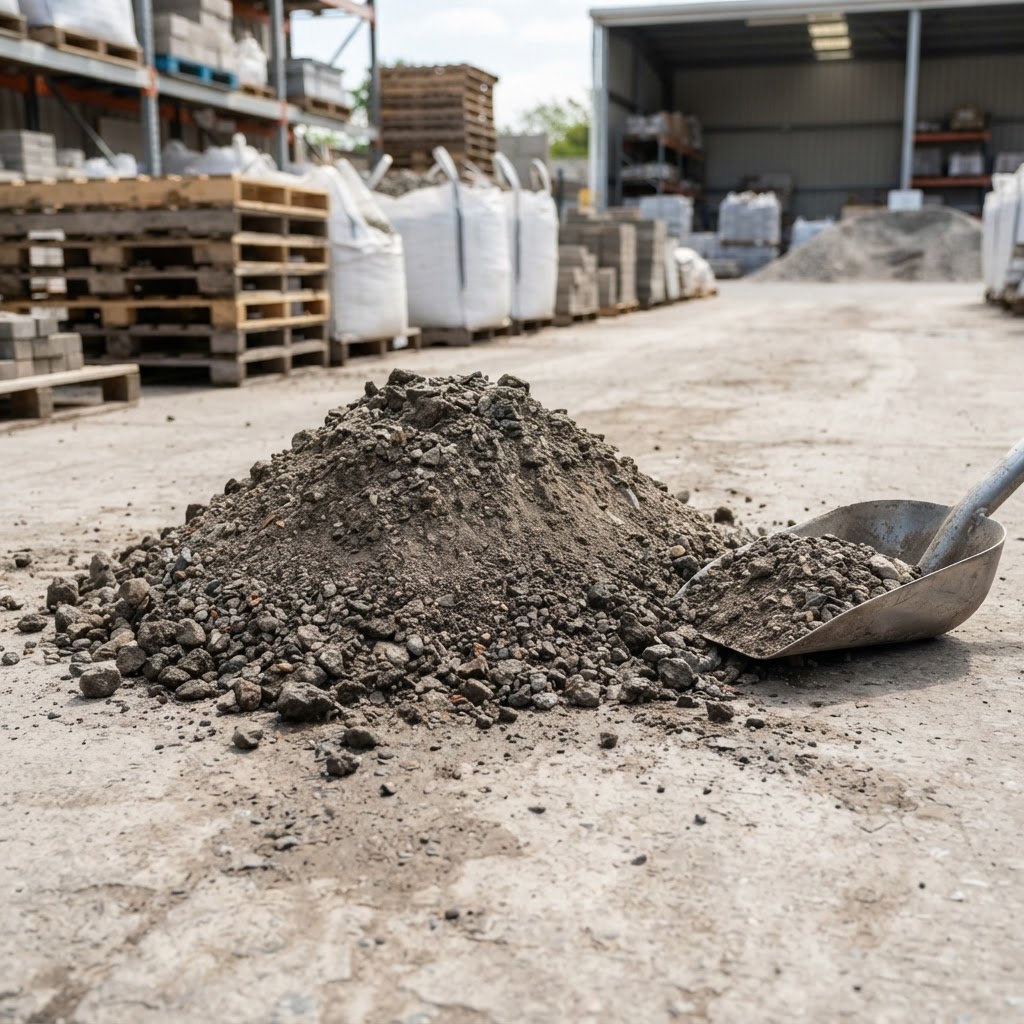
Paver base material is the compacted stone aggregate foundation that supports pavers, patios, and walkways. Typically consisting of crushed limestone or granite graded from 3/4 inch down to fines (dust), it compacts into a dense, stable layer. Combined with bedding sand, it creates a durable base system that prevents settling.
Key Features
- Graded crushed stone from 3/4" to fines; Compacts into dense stable base; 4-6 inches recommended depth; Available by the ton for bulk delivery; Compatible with all paver types
Specifications
Applications
- Patio paver base; Walkway and path foundation; Driveway paver subbase; Retaining wall leveling pad; Shed foundation base
Installation Overview
Excavate to required depth (base + sand + paver thickness). Compact subgrade soil. Spread base material in 2-inch lifts, compacting each lift with plate compactor. Final base should be smooth and at proper grade with 1% slope for drainage.
Pros & Cons
Pros
- ✓ Creates stable paver foundation; Compacts densely to prevent settling; Allows drainage through base; Widely available at quarries
Cons
- ✗ Heavy and requires delivery; Must be compacted in lifts; Proper grading takes skill; Insufficient base leads to failure
Top Brands
Code Requirements
Driveway bases may require specific depth per local code. Must provide proper drainage slope. Base compaction standards vary by application.
Buying Tips
Buy by the ton from a local quarry for significant savings over bagged material; Rent a plate compactor for proper base compaction; Calculate your tonnage needs carefully - running short mid-project means another delivery fee
Frequently Asked Questions
Related Guides
Heat Pump Guide: Types, Cost & How They Work
Heat and cool your home efficiently with one system.
Read articleAir Conditioning Guide: Types, Cost & Efficiency
Stay cool and save money on cooling.
Read articleWater Heater Guide: Types, Cost & Replacement
Choose the best water heater for your home.
Read article