Plumbing Pipe Types Guide: PEX, Copper, PVC, and More (2026)
Choosing the right plumbing pipe material affects cost, durability, water quality, and ease of installation. PEX has revolutionized residential plumbing, but copper and PVC still have important roles. This guide compares every common pipe material, their best applications, connection methods, and code requirements.
Key Takeaways
- Choosing the right plumbing pipe material affects cost, durability, water quality, and ease of installation.
- PEX has revolutionized residential plumbing, but copper and PVC still have important roles.
- This guide compares every common pipe material, their best applications, connection methods, and code requirements.
- PEX is the best overall choice for new residential water supply due to cost, speed of installation, and freeze resistance.
- Copper is preferred where water quality concerns exist (PEX can affect taste), for exposed piping, and where code requires it.
Types Overview
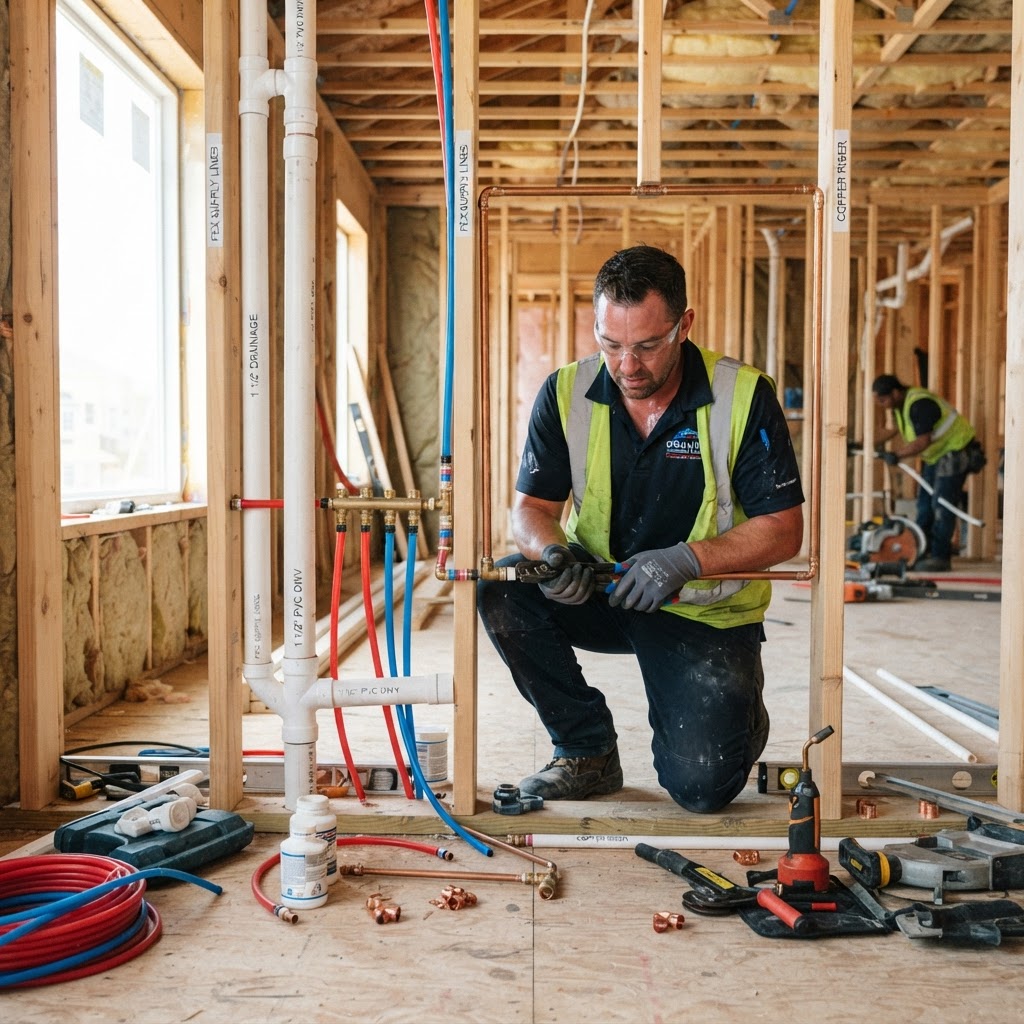
PEX (cross-linked polyethylene) is the dominant choice for residential water supply — flexible, freeze-resistant, and fast to install. Copper pipe remains the gold standard for durability and has been proven over 70+ years of residential use. CPVC is a rigid plastic alternative for hot and cold water supply lines. PVC (Schedule 40) is the standard for drain, waste, and vent (DWV) lines. ABS (black plastic) is used for DWV in some regions. Cast iron is still found in older homes for drain stacks and is valued for sound dampening.
Selection Criteria
PEX is the best overall choice for new residential water supply due to cost, speed of installation, and freeze resistance. Copper is preferred where water quality concerns exist (PEX can affect taste), for exposed piping, and where code requires it. PVC Schedule 40 is standard for all drain and vent piping. Use PEX-A for the most flexibility and best freeze resistance. PEX-B is more affordable with slightly less flexibility. Choose pipe diameter based on fixture count and flow requirements.
Installation Guide
PEX installs with crimp rings, clamp rings, or expansion fittings depending on the PEX type. Home-run manifold systems provide individual shutoffs for each fixture. Copper requires soldering (sweating) or press-fit connections. PVC DWV uses primer and solvent cement for permanent joints. All drain piping must maintain proper slope — 1/4 inch per foot for pipes 3 inches and smaller, 1/8 inch per foot for 4-inch pipe. Support piping at proper intervals to prevent sagging.
Code Requirements
IPC and UPC govern plumbing installations (varies by jurisdiction). Minimum fixture supply sizes: 1/2 inch for most fixtures, 3/4 inch for bathtub and shower. Main water service is typically 3/4 inch or 1 inch. DWV sizing is based on drainage fixture units — toilets require 3-inch minimum drain. Vent piping must extend through the roof. Anti-scald valves are required for showers. Water hammer arrestors may be required. PEX is not approved for outdoor UV-exposed installations.
Cost Breakdown
PEX 1/2-inch (100 ft): $25-$45. PEX 3/4-inch (100 ft): $40-$70. Copper 1/2-inch Type M (10 ft): $15-$25. Copper 3/4-inch Type M (10 ft): $22-$38. PVC 2-inch DWV (10 ft): $8-$14. PVC 3-inch DWV (10 ft): $12-$20. PVC 4-inch DWV (10 ft): $15-$25. PEX manifold: $50-$150. PEX crimp tool: $50-$100. Copper solder kit: $30-$60.
DIY vs Professional
PEX water supply is very DIY-friendly with crimp or push-fit (SharkBite) connections. PVC DWV is manageable for experienced DIYers who understand proper slope and venting. Copper soldering requires practice but is learnable. All plumbing work requires permits and inspection in most jurisdictions. Professional plumbers are recommended for main service connections, gas piping, and complex drainage re-routes. Always check local codes for homeowner permit eligibility.
Common Mistakes to Avoid
Not supporting PEX properly causes movement and eventual fitting failure — support every 32 inches horizontally and at every floor penetration. Using the wrong PVC cement (not rated for the pipe material or size) results in joint failure. Not priming PVC joints before cementing is a code violation and causes leaks. Incorrect drain slope causes slow drainage or standing water. Connecting PEX directly to a water heater without a proper transition — minimum 18 inches of metal pipe or rated connector required at the water heater.