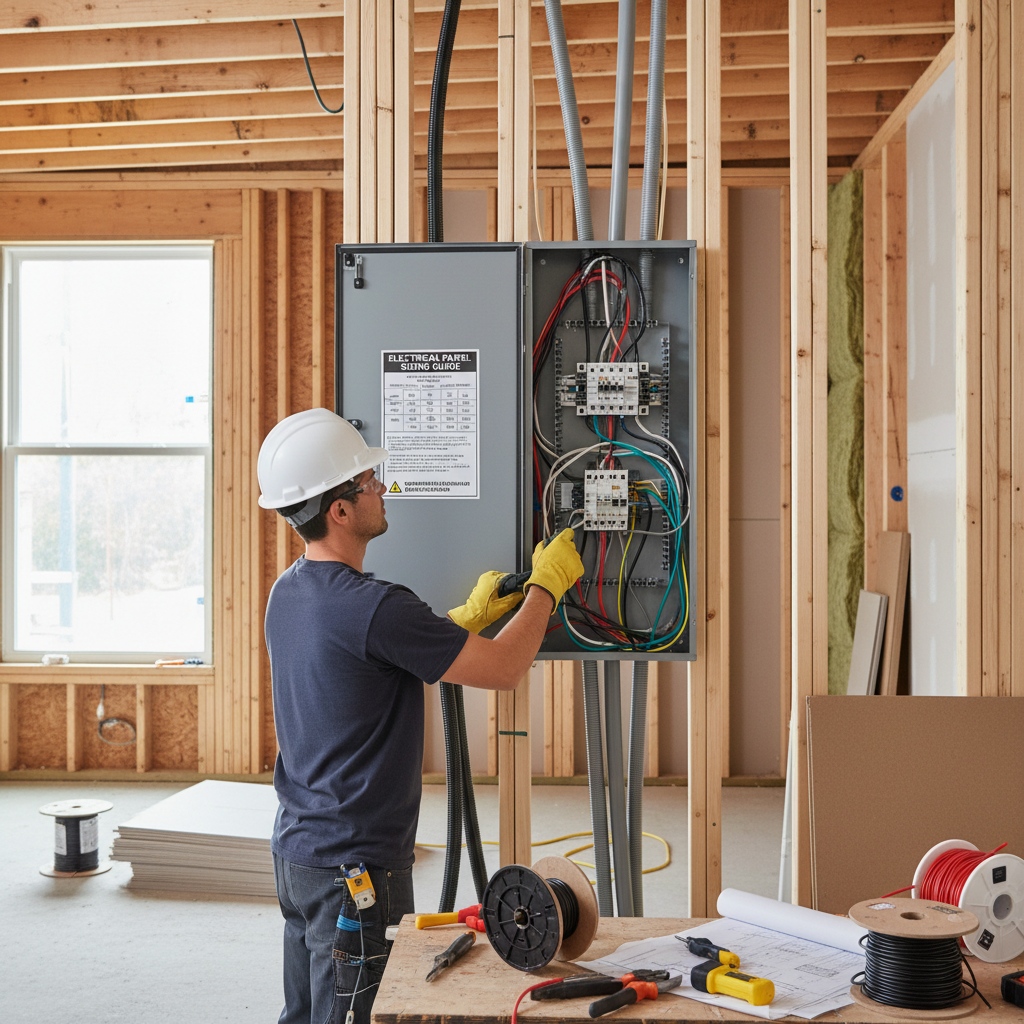
Electrical Panel Sizing Guide: Amps, Load Calculations, and Upgrades (2026)
Your electrical panel is the heart of your home's power distribution system, and getting the right size prevents overloads, supports modern electrical demands, and accommodates future additions like EV chargers and heat pumps. This guide explains panel sizing, load calculations, and when an upgrade makes sense.
Key Takeaways
- Your electrical panel is the heart of your home's power distribution system, and getting the right size prevents overloads, supports modern electrical demands, and accommodates future additions like EV chargers and heat pumps.
- This guide explains panel sizing, load calculations, and when an upgrade makes sense.
- Perform an NEC Article 220 load calculation to determine your service size.
- A 200-amp service handles most homes up to 3,000 square feet with electric HVAC, water heater, dryer, range, and moderate additional loads.
- Add an EV charger (40-50 amps) and you may need to carefully manage loads or upgrade to 320-400 amp service.
Types Overview
100-amp panels are the minimum for small to mid-sized homes with gas heating and no major electrical loads. 200-amp panels are the current standard for most new residential construction, supporting all-electric homes and modern convenience loads. 320-amp and 400-amp services handle large homes, workshops, and multiple high-draw systems. Main breaker panels serve as the primary service disconnect. Sub-panels distribute circuits to detached garages, workshops, and additions. Generator transfer switches integrate backup power with the main panel.
Selection Criteria
Perform an NEC Article 220 load calculation to determine your service size. A 200-amp service handles most homes up to 3,000 square feet with electric HVAC, water heater, dryer, range, and moderate additional loads. Add an EV charger (40-50 amps) and you may need to carefully manage loads or upgrade to 320-400 amp service. New construction should default to 200-amp minimum. Consider a 42-space panel even if you don't need all circuits immediately.
Installation Guide
Panel installation and service upgrades must be performed by a licensed electrician and require permits and utility coordination. The electrician will coordinate with the utility for the service disconnect, install the meter base, run service entrance cable, mount and wire the panel, and install branch circuit breakers. All connections must be torqued to manufacturer specifications. A load calculation must be submitted with the permit application.
Code Requirements
NEC Article 230 governs service entrance requirements. Minimum 100-amp service for single-family residences. Panel must be readily accessible with 30 inches of clear width, 36 inches of clear depth, and clear to the ceiling or 6.5 feet minimum height. Working space must be illuminated. All circuits must be labeled. AFCI breakers required for bedrooms, living areas, and most habitable spaces. GFCI breakers or receptacles required for wet and outdoor locations.
Cost Breakdown
100-amp panel replacement: $1,500-$2,500 installed. 200-amp panel upgrade (from 100-amp): $2,500-$5,000 installed. 200-amp panel replacement: $2,000-$3,500 installed. 400-amp service upgrade: $5,000-$10,000+. Sub-panel installation: $1,000-$2,500. AFCI breakers: $35-$50 each. GFCI breakers: $35-$50 each. Standard breakers: $5-$15 each. Utility coordination and meter upgrade may add $500-$1,500.
DIY vs Professional
Electrical panel work must be performed by a licensed electrician. Working inside a live panel involves lethal voltages with no overcurrent protection on the service entrance conductors. Even with the main breaker off, the service entrance lugs remain energized. Permits and inspection are required for all panel work. This is not a DIY project under any circumstances.
Common Mistakes to Avoid
Installing a 100-amp panel on new construction leaves no room for future electrical needs like EV chargers. Choosing a panel with too few spaces forces the use of tandem breakers that limit future circuit additions. Not performing a proper load calculation results in under-sized or over-sized service. Mixing breaker brands in a panel violates code and creates safety hazards — always use breakers listed for your specific panel. Failing to label all circuits makes future work dangerous and fails inspection.