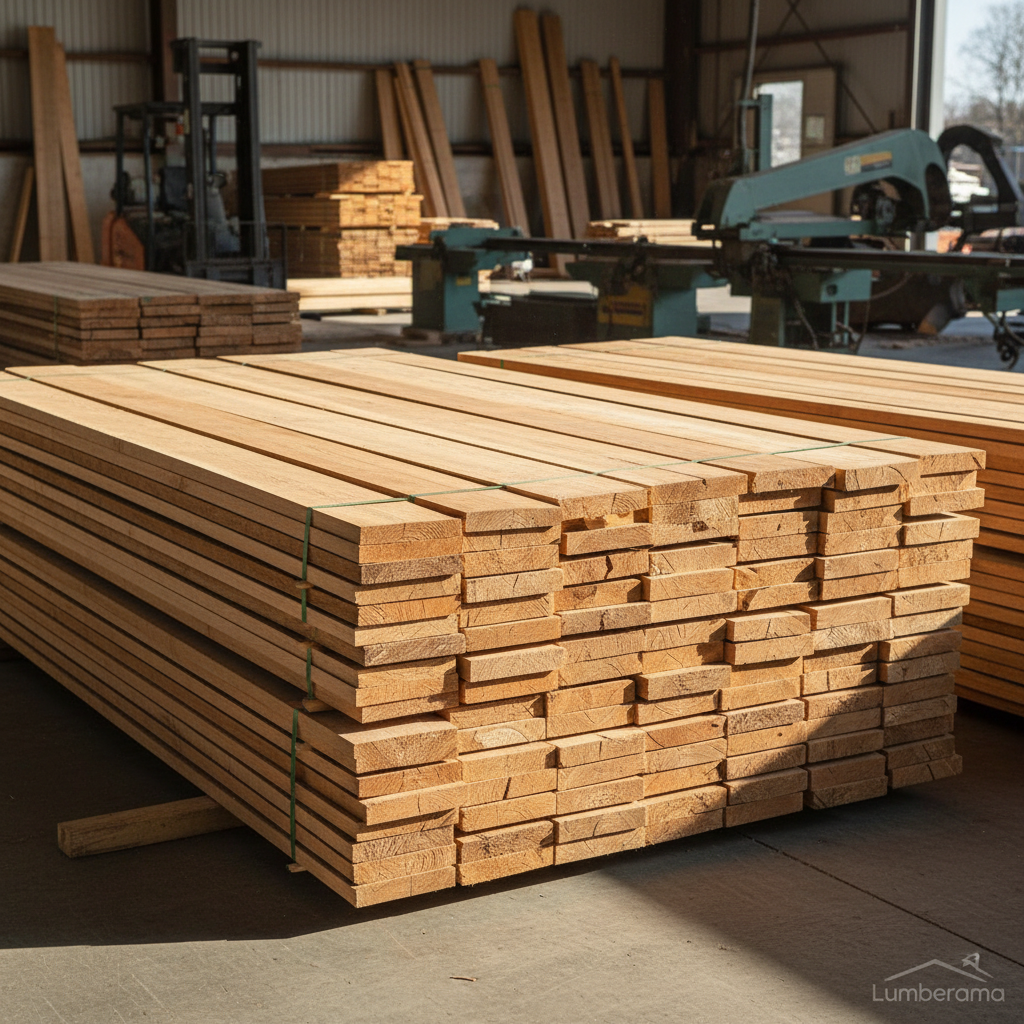
Wood Coatings & Finishes
Comprehensive guide to protecting and beautifying wood with the right finishes, stains, and application techniques.
Understanding Wood Finishes
The foundation of wood protection and beauty
Wood finishes serve two primary purposes: protection and enhancement. A proper finish protects wood from moisture, UV damage, scratches, and wear while bringing out the natural beauty of the grain and color.
Choosing the right finish depends on several factors: the type of wood, intended use, desired appearance, environmental conditions, and maintenance requirements. This guide covers everything from traditional oils to modern high-performance coatings.
Protection
Guards against moisture, UV, scratches, and wear
Enhancement
Brings out grain, depth, and natural beauty
Preservation
Extends wood life and maintains appearance
Types of Wood Finishes
From penetrating oils to surface coatings, each finish type offers unique characteristics and benefits.
Oil-Based Finishes
Traditional finishes that penetrate wood fibers
Linseed Oil
Natural, slow drying, amber tone
Best for: Furniture, interior woodwork
Tung Oil
Water-resistant, flexible, hand-rubbed finish
Best for: Countertops, cutting boards
Danish Oil
Blend of oil and varnish, easy application
Best for: Furniture, cabinets
Teak Oil
UV-resistant, weather-resistant
Best for: Outdoor furniture, marine applications
Varnishes
Protective surface coatings with excellent durability
Polyurethane
Hard, durable, water-resistant
Best for: Floors, high-traffic surfaces
Spar Varnish
UV-resistant, flexible, marine-grade
Best for: Exterior doors, boats, outdoor furniture
Shellac
Fast-drying, natural resin, amber tone
Best for: Antique restoration, sealer
Lacquer
Fast-drying, hard finish, clear
Best for: Furniture, cabinets, musical instruments
Water-Based Finishes
Low-VOC, environmentally friendly options
Water-Based Polyurethane
Clear, non-yellowing, low odor
Best for: Floors, furniture, cabinets
Acrylic Finish
Fast-drying, flexible, UV-resistant
Best for: Interior and exterior applications
Water-Based Lacquer
Clear, fast-drying, low VOC
Best for: Furniture, cabinets
Specialty Finishes
Unique finishes for specific applications
Wax
Soft sheen, hand-rubbed, traditional
Best for: Antiques, low-traffic furniture
Epoxy
Ultra-hard, waterproof, chemical-resistant
Best for: Bar tops, countertops, river tables
Conversion Varnish
Professional-grade, extremely durable
Best for: Commercial cabinets, high-end furniture
UV-Cured Finish
Instant cure, extremely hard
Best for: Factory flooring, commercial applications
Wood Stains
Stains add color while allowing the wood grain to show through. Choose based on desired color depth and working time.
Oil-Based Stain
Penetration
Deep
Drying Time
6-8 hours
Characteristics
Rich color, longer working time
Best For
Large projects, even color
Water-Based Stain
Penetration
Moderate
Drying Time
1-2 hours
Characteristics
Low odor, easy cleanup, non-yellowing
Best For
Indoor projects, quick turnaround
Gel Stain
Penetration
Surface
Drying Time
8-24 hours
Characteristics
Thick consistency, minimal drips, even on vertical surfaces
Best For
Vertical surfaces, non-porous woods
Dye Stain
Penetration
Very Deep
Drying Time
Varies
Characteristics
Vibrant colors, transparent, highlights grain
Best For
Fine furniture, figured woods
Woods That Don't Require Treatment
Some naturally durable species can be left unfinished, though they will weather and age over time.
Important Note: While these woods are naturally durable and can be left untreated, they will undergo color changes and may not last as long as finished wood in harsh environments.
Why untreated wood changes color and deteriorates:
- UV Degradation: Sunlight breaks down lignin, turning wood gray
- Moisture Cycling: Repeated wetting and drying causes checking and splitting
- Oxidation: Exposure to air chemically alters wood surface
- Mold & Mildew: Organic growth on unprotected surfaces
- Dirt Accumulation: Unfinished wood absorbs dirt and stains
| Species | Natural Durability | Color Change | Lifespan Untreated |
|---|---|---|---|
| Teak | Excellent | Golden brown → Silver-gray | 20-25 years untreated |
| Ipe | Excellent | Rich brown → Silver-gray | 25+ years untreated |
| Cedar | Very Good | Reddish-brown → Silver-gray | 15-20 years untreated |
| Redwood | Very Good | Red-brown → Gray | 15-20 years untreated |
| White Oak | Good | Light brown → Gray | 10-15 years untreated |
Pro Tip: Even naturally durable woods benefit from periodic oiling or sealing to maintain their color and extend their lifespan. A simple annual application of wood oil can preserve the original appearance while still allowing the wood to breathe.
Application Methods
The application method significantly affects the final result. Choose based on finish type and project requirements.
Brush Application
Varnishes, polyurethane, detailed work
Pros:
- Control, precision, reaches tight areas
Cons:
- Brush marks, slower application
Spray Application
Lacquer, large surfaces, production work
Pros:
- Smooth finish, fast coverage, no brush marks
Cons:
- Overspray, equipment cost, ventilation required
Wipe-On Application
Oils, thin varnishes, small projects
Pros:
- Easy, no brush marks, thin coats
Cons:
- Multiple coats needed, time-consuming
Pad Application
Stains, oils, flat surfaces
Pros:
- Even application, no brush marks
Cons:
- Limited to flat surfaces
Roller Application
Floors, large flat surfaces
Pros:
- Fast coverage, even thickness
Cons:
- Texture, limited to flat surfaces
Surface Preparation
Proper preparation is 80% of a great finish. Follow these steps for professional results.
Sand Properly
Start with coarse grit (80-100) and progress to fine (180-220). Always sand with the grain.
Remove Dust
Use tack cloth or vacuum followed by damp cloth. Dust causes rough finishes.
Raise the Grain
For water-based products, dampen wood, let dry, then sand lightly with 220 grit.
Apply Wood Conditioner
For softwoods and porous hardwoods, use pre-stain conditioner for even color.
Test First
Always test stain and finish on scrap wood or hidden area to verify color and compatibility.
Maintenance & Care
Proper maintenance extends the life of your finish and keeps wood looking beautiful.
Daily Care
- •Wipe spills immediately
- •Use coasters and placemats
- •Avoid direct sunlight
- •Maintain consistent humidity
Weekly Cleaning
- •Dust with soft, dry cloth
- •Use wood-specific cleaners
- •Avoid harsh chemicals
- •Clean with grain direction
Periodic Maintenance
- •Apply furniture polish (wax finishes)
- •Reapply oil (oil finishes)
- •Check for wear spots
- •Address damage promptly
Refinishing Signs
- •Finish is worn through to wood
- •Deep scratches or gouges
- •Water rings or stains
- •Dull, lifeless appearance
Troubleshooting Common Issues
Solutions to common finishing problems and how to prevent them.
Bubbles in Finish
Common Causes:
- • Shaking can
- • Applying too thick
- • High temperature
Solutions:
- • Stir, don't shake
- • Apply thin coats
- • Work in moderate temperatures
Blotchy Stain
Common Causes:
- • Uneven sanding
- • Porous wood
- • No conditioner
Solutions:
- • Sand evenly
- • Use wood conditioner
- • Apply gel stain
Sticky Finish
Common Causes:
- • Insufficient drying time
- • Too thick application
- • High humidity
Solutions:
- • Allow proper drying
- • Apply thinner coats
- • Control environment
Brush Marks
Common Causes:
- • Wrong brush
- • Too thick finish
- • Overworking
Solutions:
- • Use quality brush
- • Thin if needed
- • Fewer strokes
Cloudy Finish
Common Causes:
- • Moisture contamination
- • Incompatible products
- • Cold temperature
Solutions:
- • Work in dry conditions
- • Check compatibility
- • Maintain warmth
Safety & Best Practices
Essential guidelines for safe finishing work
Ventilation
Always work in well-ventilated areas. Use exhaust fans and open windows. Wear appropriate respirators for solvent-based finishes and spray applications.
Fire Safety
Oil-soaked rags can spontaneously combust. Dispose of rags in water-filled metal containers or lay flat to dry outdoors. Keep finishes away from heat sources and open flames.
Skin Protection
Wear nitrile gloves when handling finishes and solvents. Some wood species and chemicals can cause skin irritation or allergic reactions.
Environmental Considerations
Dispose of finish materials according to local regulations. Consider water-based finishes to reduce VOC emissions. Never pour solvents down drains.