10 Common Deck Building Mistakes (And How to Avoid Them)
Whether you're a seasoned contractor or a first-time DIYer, these are the mistakes that lead to deck failures, callbacks, and wasted money.
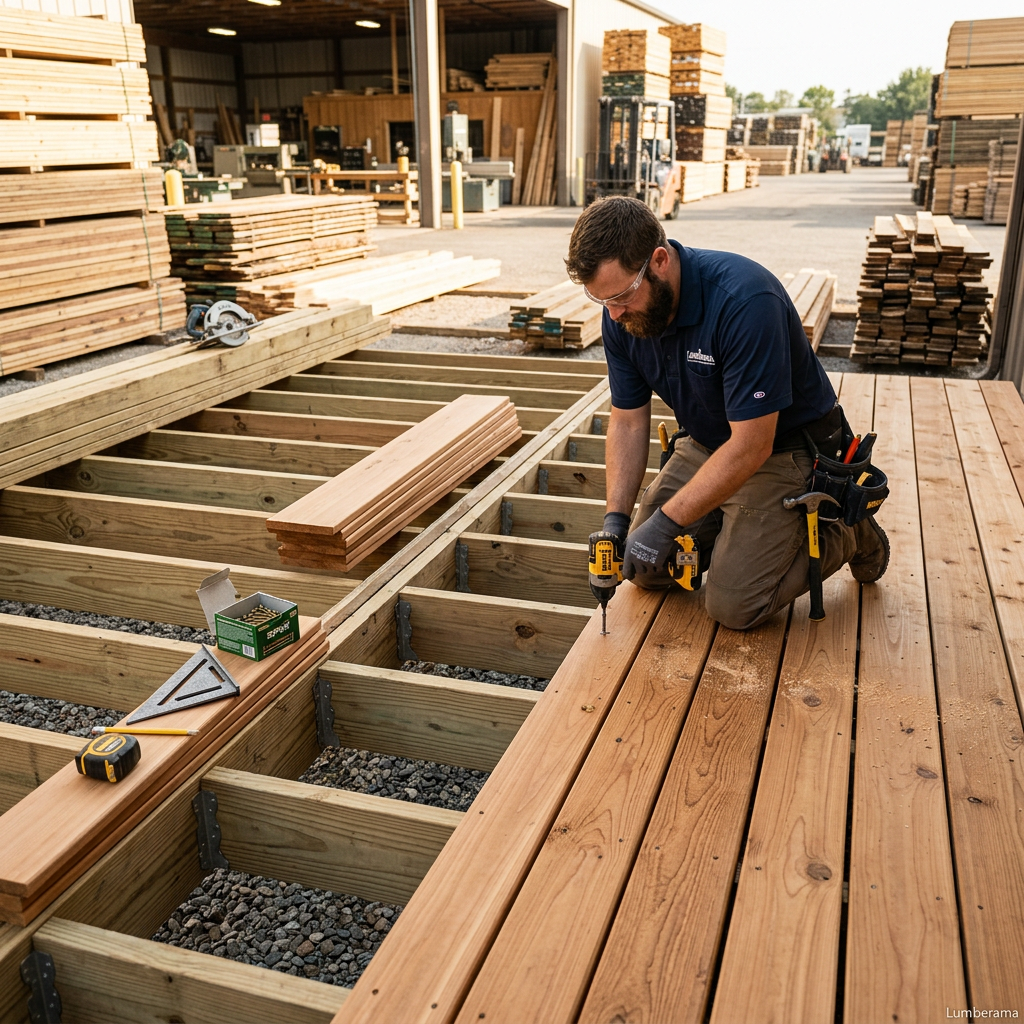
#1Skipping the Permit Process
The Problem
Building without proper permits can result in fines, forced demolition, or issues when selling your home. Insurance may not cover unpermitted structures.
The Fix
Always check local building codes and pull permits before starting. Most jurisdictions require permits for decks over 200 sq ft or more than 30" above grade.
#2Inadequate Joist Spacing
The Problem
Using 24" on-center spacing with thin or soft decking boards leads to bounce, sag, and premature board failure.
The Fix
Use 16" on-center for most decking. For exotic hardwoods in thinner profiles (like 5/4×6 Ipe), 16" is mandatory. Some softwoods need 12" spacing.
#3Wrong Fasteners for the Species
The Problem
Using galvanized screws with exotic hardwoods causes staining and corrosion. Regular steel fasteners rust and streak.
The Fix
Always use 305 or 316 stainless steel fasteners with hardwoods. For pressure-treated lumber, use ACQ-rated hardware. Consider hidden fasteners for a clean look.
#4Not Pre-Drilling Hardwoods
The Problem
Driving screws directly into Ipe, Cumaru, or other dense exotics splits the wood and strips screw heads.
The Fix
Always pre-drill pilot holes in any hardwood over 1,500 Janka. Use countersink bits for a flush finish. Drill slightly undersized holes for maximum holding power.
#5Poor Ventilation Underneath
The Problem
Decks built close to the ground with no airflow trap moisture, accelerating rot on the underside of boards and joists.
The Fix
Maintain minimum 18" clearance between ground and joists. Use ground cover fabric to reduce moisture. Ensure adequate cross-ventilation.
#6Skipping Board Acclimation
The Problem
Installing boards directly from delivery leads to excessive expansion or contraction gaps as the wood adjusts to local humidity.
The Fix
Stack boards on stickers in the installation environment for 7-14 days. Seal end grain immediately upon delivery to slow moisture loss.
#7Improper Flashing at the Ledger Board
The Problem
The #1 cause of deck failures and water damage to homes. Water infiltration behind the ledger rots the rim joist and band board.
The Fix
Use proper Z-flashing or self-adhering membrane behind and over the ledger board. Flash before attaching the ledger, not after.
#8Ignoring Board Gap Requirements
The Problem
Boards installed too tight buckle in summer heat. Boards with too much gap look unfinished and catch debris.
The Fix
For dry hardwoods: 3/32"–1/8" gap. For green or recently shipped softwoods: tight butt joints (they'll shrink). Use spacer jigs for consistency.
#9Undersized Footings and Posts
The Problem
Footings that don't extend below the frost line heave in winter. Undersized posts can't support the load, especially with hot tubs or heavy furniture.
The Fix
Dig footings below local frost depth. Size posts per code — typical 6×6 minimum. Add extra footings for heavy loads. Use post bases to keep wood off concrete.
#10Finishing Before the Wood Is Ready
The Problem
Applying stain or sealer to new pressure-treated or freshly milled wood that hasn't dried results in peeling, flaking, and wasted product.
The Fix
Let new pressure-treated wood dry 2-6 months before finishing. Test with a water droplet — if it beads, the wood isn't ready. For exotic hardwoods, clean and finish within 2 weeks.