Best Woods for Decking in 2026: Expert Guide
From traditional favorites to innovative sustainable options, discover which wood species deliver the perfect balance of beauty, durability, and value for your deck project.
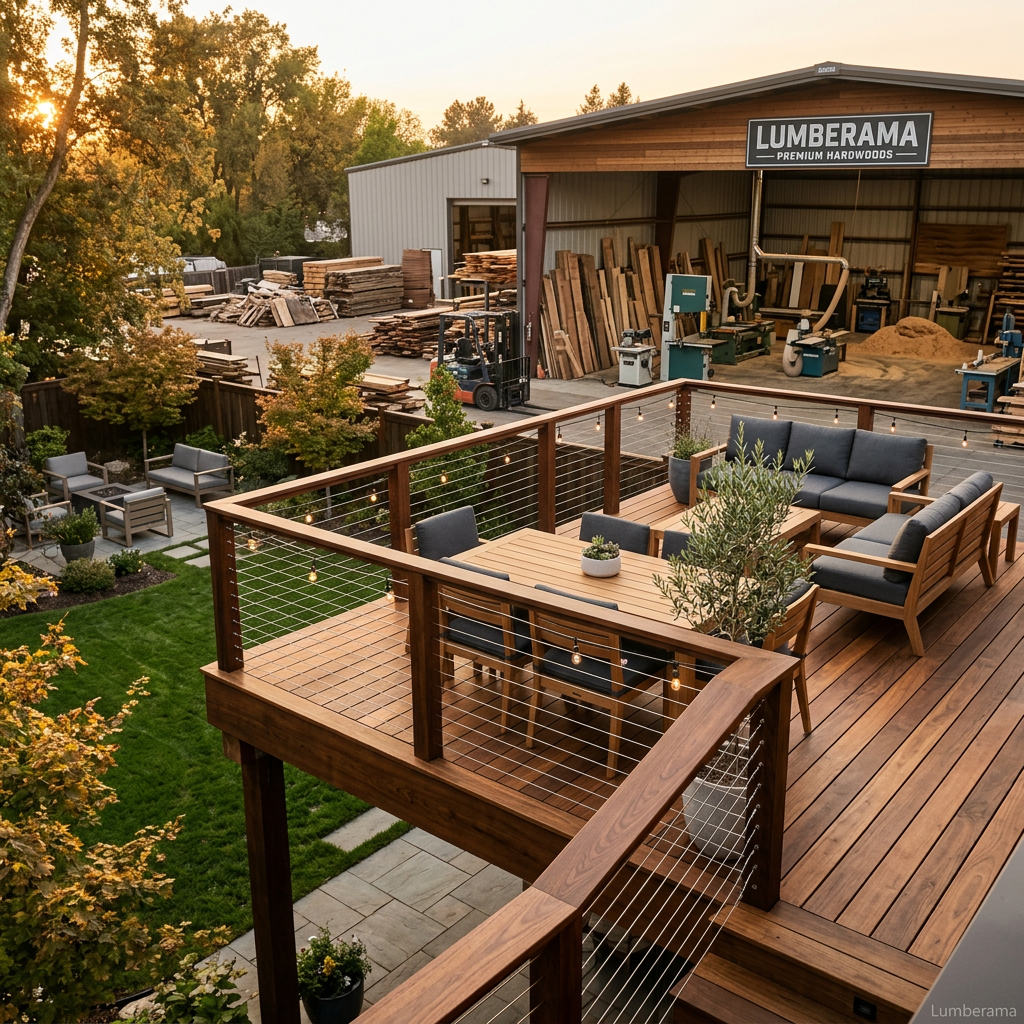
Choosing the right wood for your deck is one of the most important decisions in your outdoor living project. In 2026, homeowners and contractors have more options than ever, from time-tested classics to innovative sustainable alternatives. This comprehensive guide breaks down the top wood species for decking, helping you make an informed choice based on your budget, climate, and aesthetic preferences.
Top 7 Decking Woods for 2026
1. Ipe (Brazilian Walnut)
The Gold Standard for Premium Decks
Strengths
- •Exceptional durability (25-50+ years)
- •Naturally resistant to rot, insects, and fire
- •Janka hardness: 3,680 lbf
- •Minimal maintenance required
- •Beautiful natural color variations
Considerations
- •Premium price point ($8-15/sq ft)
- •Requires carbide-tipped tools
- •Pre-drilling necessary
- •Limited availability
💡 Best For: High-traffic areas, poolside decks, coastal properties, luxury homes
2. Cumaru (Brazilian Teak)
Premium Quality at a Better Value
Strengths
- •Excellent durability (20-30 years)
- •Janka hardness: 3,330 lbf
- •Natural resistance to decay
- •Beautiful grain patterns
- •Easier to work with than Ipe
Considerations
- •Price: $6-10/sq ft
- •25-30% less than Ipe
- •Excellent value proposition
- •Growing availability
3. Tigerwood (Goncalo Alves)
Striking Beauty Meets Performance
Strengths
- •Unique striped grain pattern
- •Janka hardness: 2,160 lbf
- •Good rot and insect resistance
- •15-25 year lifespan
- •Distinctive appearance
Considerations
- •Price: $5-9/sq ft
- •Moderate difficulty to install
- •Color may fade over time
- •Annual sealing recommended
4. Thermally Modified Wood
The Sustainable Innovation of 2026
Strengths
- •Eco-friendly domestic sourcing
- •Enhanced dimensional stability
- •Improved rot resistance
- •Rich, uniform color
- •15-20 year lifespan
- •Lower carbon footprint
Specifications
- •Price: $4-8/sq ft
- •Easy to work with
- •No chemical treatments
- •Growing market availability
- •Excellent for eco-conscious projects
5. Pressure-Treated Southern Yellow Pine
Budget-Friendly Classic
Strengths
- •Most affordable option
- •Widely available
- •Easy to work with
- •Good rot resistance when maintained
- •10-15 year lifespan
Considerations
- •Price: $2-4/sq ft
- •Annual maintenance needed
- •Prone to warping/splitting
- •Regular staining/sealing required
6. Redwood
California's Natural Beauty
Strengths
- •Beautiful natural color
- •Naturally rot-resistant
- •Lightweight and stable
- •Easy to work with
- •15-20 year lifespan
Considerations
- •Price: $6-12/sq ft
- •Limited availability
- •Regional pricing variations
- •Requires regular sealing
7. Western Red Cedar
Aromatic and Naturally Resistant
Strengths
- •Natural insect resistance
- •Pleasant aromatic scent
- •Lightweight and workable
- •Beautiful grain patterns
- •15-20 year lifespan
Considerations
- •Price: $5-9/sq ft
- •Softer than hardwoods
- •Requires regular maintenance
- •Color fades to gray without treatment
Key Factors to Consider
Climate & Weather
- •Humid climates: Choose rot-resistant species like Ipe or Cumaru
- •Dry climates: Cedar and Redwood perform excellently
- •Coastal areas: Opt for dense hardwoods with salt resistance
- •Cold regions: Select woods with good freeze-thaw stability
Budget Planning
- •Economy: Pressure-treated pine ($2-4/sq ft)
- •Mid-range: Thermally modified, Cedar ($4-8/sq ft)
- •Premium: Cumaru, Tigerwood ($6-10/sq ft)
- •Luxury: Ipe, Redwood ($8-15/sq ft)
Maintenance Requirements
- •Low maintenance: Ipe, Cumaru (annual cleaning only)
- •Moderate: Thermally modified, Tigerwood (annual sealing)
- •High maintenance: Cedar, Redwood, PT Pine (regular staining)
Sustainability
- •Most sustainable: Thermally modified domestic woods
- •FSC-certified options: Available for most tropical hardwoods
- •Domestic sourcing: Cedar, Redwood, PT Pine
- •Carbon footprint: Consider transportation distances
Expert Installation Tips
Acclimate Your Wood
Allow decking boards to acclimate to local humidity for 7-14 days before installation to minimize movement.
Proper Spacing is Critical
Leave 1/8" to 1/4" gaps between boards for expansion and drainage. Dense hardwoods need less gap than softwoods.
Pre-Drill Hardwoods
Always pre-drill pilot holes for Ipe, Cumaru, and other dense species to prevent splitting and extend tool life.
Use Stainless Steel Fasteners
Invest in stainless steel or coated fasteners to prevent rust stains and ensure longevity, especially with hardwoods.
Plan for Ventilation
Ensure adequate airflow beneath the deck to prevent moisture buildup and extend wood life.
Making Your Decision
The best wood for your deck depends on your unique combination of budget, climate, aesthetic preferences, and maintenance commitment. In 2026, you have more excellent options than ever before:
- For ultimate durability: Choose Ipe or Cumaru
- For sustainability: Opt for thermally modified domestic woods
- For budget-conscious projects: Pressure-treated pine remains reliable
- For distinctive beauty: Consider Tigerwood or Redwood
- For natural resistance: Cedar offers excellent value
Whatever species you choose, proper installation and maintenance will maximize your investment and ensure decades of outdoor enjoyment.